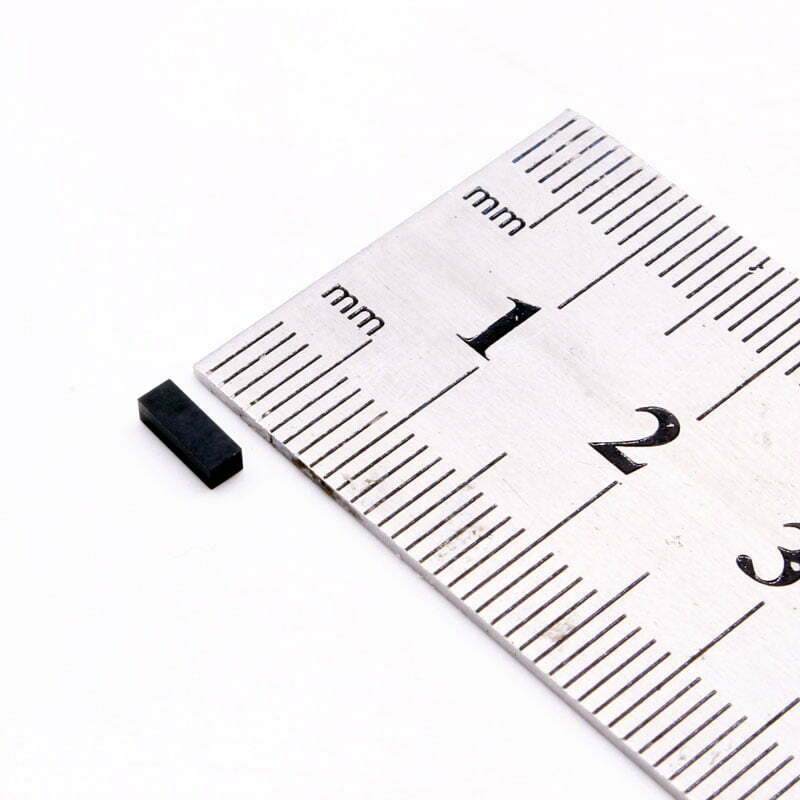
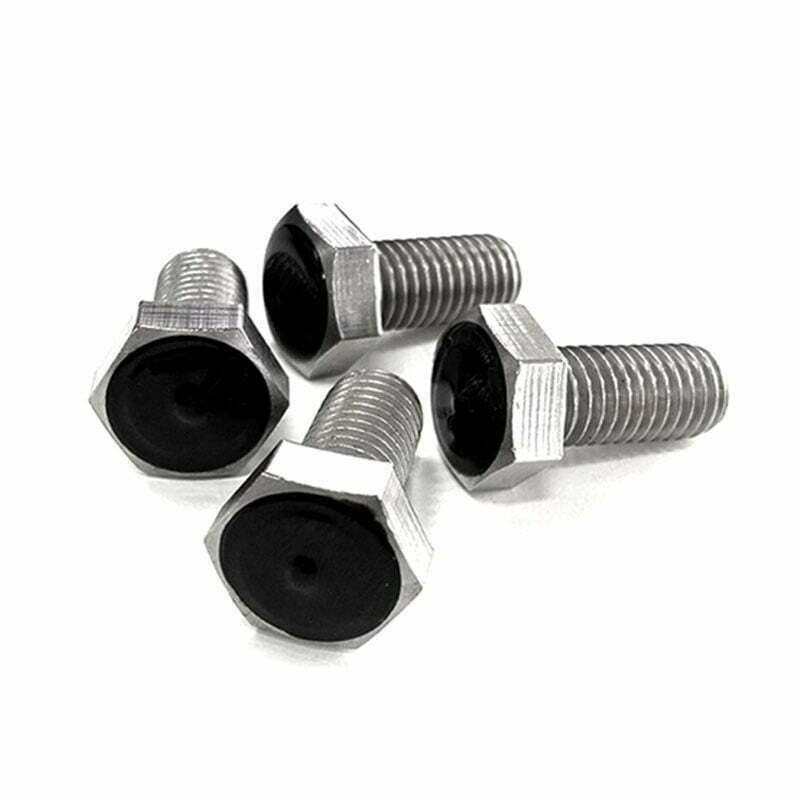
The HY-M Series UHF Screw RFID Tag is an industrial-grade embedded identification solution specifically designed for MRO tool and equipment management. Manufactured using 304 stainless steel combined with a potting process, its physical form is identical to that of a standard bolt; it can be directly screwed into place just like a conventional bolt, requiring no structural modifications to existing tools or equipment—thereby enabling a “zero-interference” method of RFID identification integration.With an operating temperature range spanning from -40°C to +180°C and powered by the NXP U8 chip, this tag is widely applicable across core MRO scenarios, including mold management, large-scale equipment tracking, and industrial tool asset management.
Leave your contact detail now to get the latest price!
Product introduction
The UHF Screw RFID Tag is an industrial-grade, permanent identification solution specifically designed for MRO tool and equipment management. Constructed from 304 stainless steel and featuring a robust potting process, it can be directly bolted into place to enable lifetime identity management for heavy assets—such as tools, molds, and machinery. Once installed, it offers tamper-proof security and protection against accidental detachment or oversight, making it the ideal identification choice for large-scale tools and critical equipment.
Download Technical Datasheet-UHF Screw RFID Tag M16
Download Technical Datasheet-UHF Screw RFID Tag M10
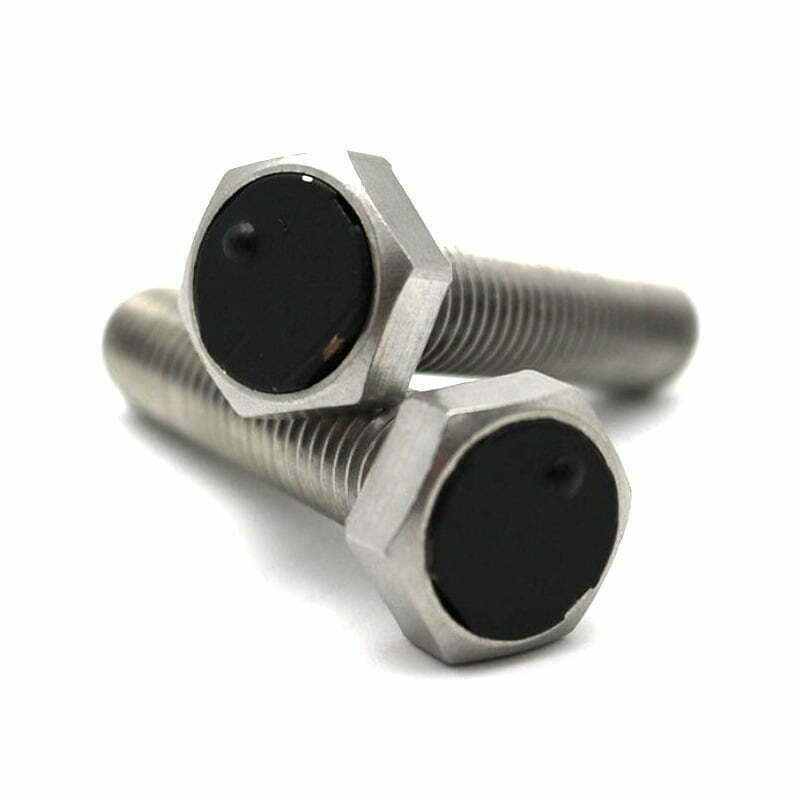
Why Choose the Screw tag?
✅ Screw Mounting — As simple as tightening a screw; no specialized technical skills required
✅ 304 Stainless Steel Housing — Industrial-grade durability; rust-proof, corrosion-resistant, and shock-resistant
✅ Wide Temperature Range — Stable operation from -40°C to +180°C
✅ Tamper-Proof & Anti-Theft — Embedded installation prevents easy removal
✅ NXP U8 Chip — Stable performance and global compatibility
✅ Potting Technology — Waterproof and dustproof; designed for harsh environments
Specifications
Two Sizes Available
| Parameter | HY-M10 | HY-M16 |
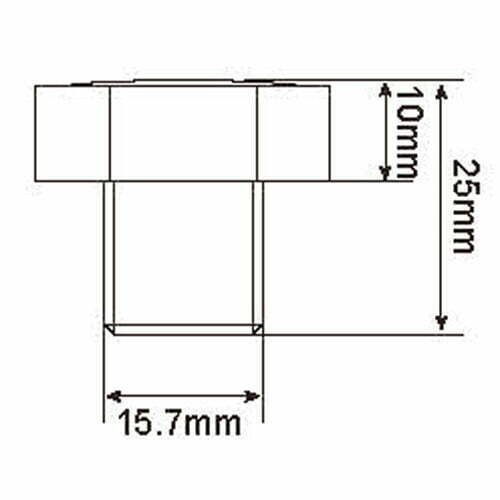
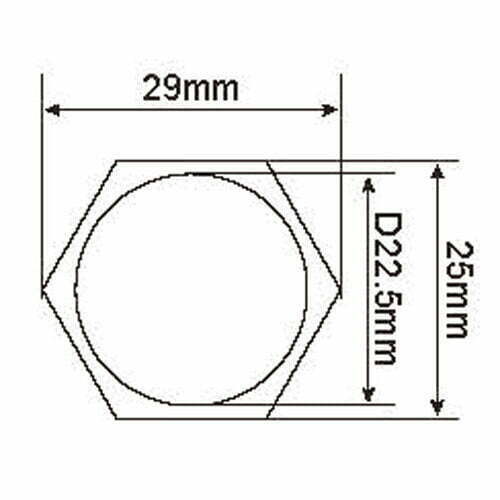
| Dimensions | Ø10 × H25mm | Ø16 × H30mm |
| Weight | 29.2g | 67.7g |
| Read Distance | 0.6–1.5m | 2m |
| Material | 304 Stainless Steel + Potting | 304 Stainless Steel + Potting |
| Packaging | Bagged | Bagged |
| Applicable Scenarios | Small to Medium Tools/Molds | Large Equipment/Heavy-duty Tools |
| Operating Frequency | HY-M10: EU 865–868MHz / CN & US 902–928MHz | HY-M16: 865–868MHz |
Unified Technical Specifications
| Parameter | Specification |
| Communication Protocol | EPC Class1 Gen2, ISO18000-6C |
| Chip Model | NXP U8 |
| EPC Memory | 96-bit (Expandable to 128-bit) |
| TID | 48-bit (Unique Serial Number) |
| Data Retention | 10 Years |
| Write Cycles | 100,000 Times |
| Operating Temperature | -40°C ~ +180°C |
| Storage Temperature | -40°C ~ +150°C |
Product Features
Screw-Mount Design
- The standout design feature of the HY-M series is its standard screw form factor:
- Its appearance and thread specifications are identical to standard industrial bolts.
- It can be screwed directly into pre-threaded holes on tools, equipment, and molds.
- Installation requires no adhesives and no specialized tools.
- Once installed, it sits flush with the equipment surface, ensuring it does not interfere with normal operation.
- Easy to install and remove; can be replaced concurrently with routine equipment maintenance.
304 Stainless Steel + Potting Technology
304 Stainless Steel Housing:
- Meets industrial-grade corrosion resistance standards.
- Resistant to salt spray, acids, alkalis, and oil stains.
- Resistant to impact and vibration.
- Smooth surface finish, easy to clean.
- Blends seamlessly with the aesthetics of metal equipment.
Potting Technology:
- Internal electronic components are completely sealed.
- Waterproof and dustproof, meeting industrial protection standards.
- Exceptional resistance to vibration and impact.
- Extends the service life of the label.
Stable Operation Across a Wide Temperature Range
Operating Temperature: -40°C to +180°C
Covers the vast majority of industrial MRO (Maintenance, Repair, and Operations) application scenarios:
- Low-Temperature Environments: Cold storage tool management, outdoor equipment in winter conditions.
- Ambient-Temperature Environments: Standard workshops, warehouses, and office areas.
- High-Temperature Environments: Heat treatment equipment, molds, high-temperature pipelines.
- Variable-Temperature Environments: Tool circulation between cold storage facilities and high-temperature production lines.
NXP U8 Chip Performance
- A mainstream industrial chip widely adopted globally.
- High sensitivity; ensures stable readability even in weak signal environments.
- Excellent anti-metal performance, specifically optimized for use on metal surfaces.
- 96-bit EPC storage capacity, meeting diverse asset encoding requirements.
- 48-bit TID unique serial number, ensuring the label’s identity cannot be duplicated.
MRO Tool Management Application Scenarios
Large-Scale Equipment Inspection Management
Applicable Scenarios: Install tags at critical points on equipment to serve as permanent inspection checkpoints.
Recommended Installation Locations:
- Threaded holes adjacent to the equipment nameplate
- Standard mounting bolt locations on the equipment body
- Near equipment maintenance access ports
Inspection Management Implementation:
- Inspectors use handheld devices to scan tags along a designated route
- Automatic recording of inspection time, personnel, and results
- On-site entry of key operational parameters
- Immediate reporting of anomalies or issues
- Real-time synchronization of inspection data with the backend system
Advantages Over QR Code-Based Inspection:
- No need for precise alignment; simply bring the device close to read
- Resistant to high temperatures and oil/grease; non-fading
- Unaffected by poor lighting conditions
- Data is rewritable/updatable and not compromised by print quality issues
Metal Container & Rack Management
Applicable Items:
- Metal turnover boxes and bins
- Steel pallets and storage racks
- Jigs and fixtures
- Metal logistics containers
Installation Advantages:
- Screw directly into threaded holes located at container corners or bases
- Does not interfere with the functional use of the container in any way
- Tags sit flush with the surface, preventing snagging or accidental impact
- Resistant to stacking pressure; remains undeformed
Management Functions:
- Tracking of container circulation routes
- Automatic recording of container checkout and return status
- Recording of container integrity and condition
- Rapid location of lost or misplaced containers
Heavy Equipment & Vehicle Management
Applicable Items:
- Forklifts, AGVs (Automated Guided Vehicles), and construction vehicles
- Lifting equipment and overhead cranes
- Large-scale tooling and fixtures
- Production machinery (e.g., presses, injection molding machines)
Installation Instructions:
- Utilize existing threaded holes on the equipment; no drilling or structural modification required.
Management Scope:
- Unique equipment identification management
- Usage time and mileage tracking
- Periodic maintenance reminders
- Operator assignment and usage logs
- Tracking of equipment transfers and reallocations
Leave your contact detail now to get the latest price!
FAQ
Q1: Will installing the screw-type tag compromise the structural integrity of the equipment?
A: No. The HY-M screw-type tag features a 304 stainless steel housing, offering a structural strength equal to or greater than that of a standard bolt of the same specifications. When installed in a non-load-bearing threaded hole, it has absolutely no impact on the equipment’s structure; however, if installation in a load-bearing position is required, we recommend consulting with our engineers in advance for an assessment.
Q2: What should I do if my tool does not have a pre-existing threaded hole?
A: There are three possible solutions: ① Drill and tap a hole on a non-working surface of the tool, then install the tag; ② Weld a metal mounting base containing a threaded hole onto the tool; ③ Depending on the specific characteristics of your tool, switch to a different series of tags. We will recommend the optimal solution based on your specific tool type.
Q3: Will the screw-type tag loosen in high-vibration environments?
A: No. During installation, you can apply a thread-locking agent (such as Loctite 242) to the threads, or opt for a custom version featuring an anti-loosening thread design to ensure long-term stability in high-vibration environments.
Q4: Can the tag be removed and reused after being screwed in?
A: Yes. It can be removed normally using a wrench of the appropriate size; the tag itself remains undamaged and is fully reusable. If a tamper-proof design is required, we can provide a custom version featuring a one-way, tamper-resistant thread.
Q5: Is the reading distance sufficient when used on metal equipment?
A: The HY-M10 offers a reading distance of 0.6–1.5 meters, while the HY-M16 reaches up to 2 meters; both models have been specifically optimized for use on metal surfaces. In practical applications, handheld readers provide highly stable and reliable performance within a normal operating range of 0.5 to 1 meter.
Q6: What is the Minimum Order Quantity (MOQ)?
A: Please contact our customer service team for inquiries; we will provide a tailored pricing proposal based on your specific purchase volume.
Q7: Are samples available for testing?
A: Yes! We can provide a small quantity of samples for on-site installation and verification testing, allowing you to confirm suitability before placing a bulk order.
Q8: What is the lead time for delivery?
A: Standard specifications (non-customized): 1–3 weeks; Custom encoding/appearance: 2–4 weeks; Special custom specifications: 3–6 weeks.