
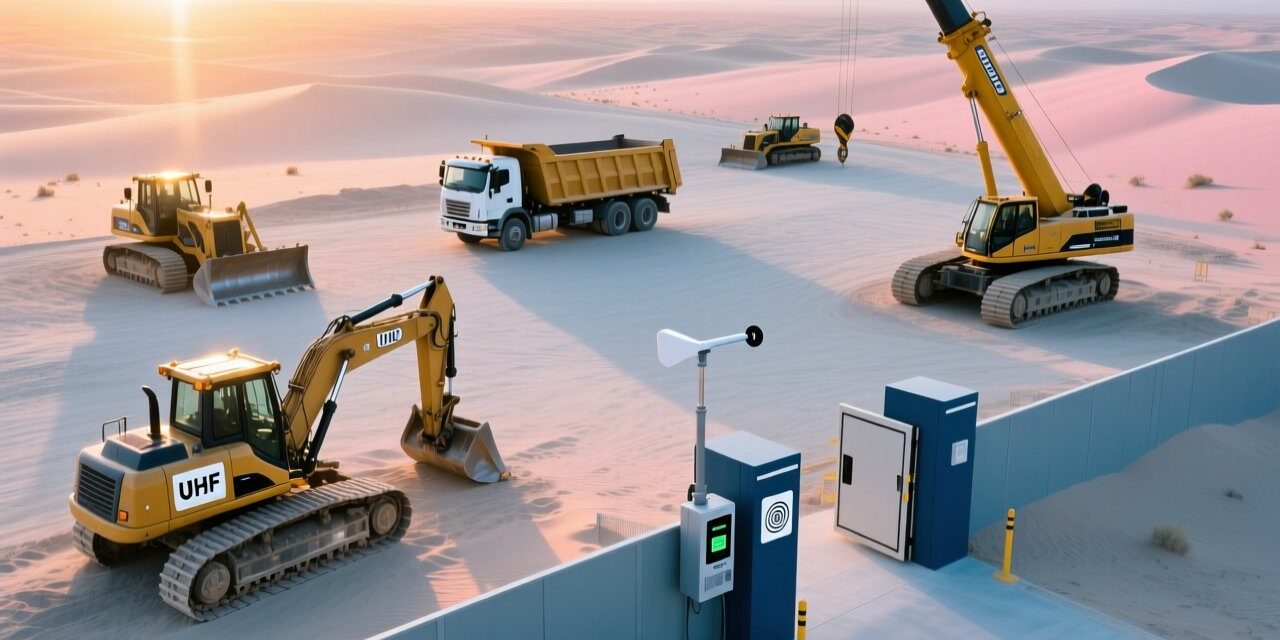
Why Standard RFID Fails in Desert Operations
Desert environments impose unique stressors on RFID systems: ambient temperatures exceeding 50°C, fine silica sand infiltrating enclosures, and UV radiation degrading plastics and adhesives over time. Conventional passive RFID tags often delaminate, lose read range, or suffer chip failure within weeks — leading to blind spots in fleet visibility and costly manual audits. For mining contractors in Saudi Arabia, UAE infrastructure projects, or military logistics units deploying across arid zones, reliability isn’t optional — it’s mission-critical.
Key RFID Tag Selection Criteria for Harsh Desert Conditions
Selecting the right desert RFID tag requires evaluating five interdependent factors:
- Thermal Stability: Materials must retain structural integrity and antenna resonance from −25°C to +85°C (operational) and survive brief exposure up to 100°C during surface heating under direct sun.
- Sand & Dust Resistance: IP68 or IP69K-rated encapsulation prevents abrasive particulate ingress into epoxy, السيراميك, or PPS housings.
- UV Resistance: UV-stabilized polymers (e.g., ذكر المكتب الصحفي, السيراميك, or glass-reinforced ABS) prevent yellowing, embrittlement, and adhesive degradation after 5,000+ hours of solar exposure.
- On-Metal Performance: Vehicles and heavy equipment feature large metal surfaces. Tags must maintain >3m read range when mounted directly on steel chassis or engine blocks — requiring specialized ferrite-backed or cavity-backed designs.
- Mechanical Durability: Vibration resistance (per ISO 16750-3), impact tolerance (IK08+), and chemical resistance to diesel, hydraulic fluid, and cleaning solvents are non-negotiable.
Proven Solutions for Outdoor Asset Tag Harsh Environment Applications
رفيدهي ’ s RFID metal tag series uses ceramic substrates with gold-plated antennas and silicone-based high-temp adhesive (−40°C to +200°C), delivering consistent UHF performance on bulldozer frames and excavator booms. For windshield-mounted applications, لدينا RFID windshield tags feature UV-blocking laminates and dual-layer polyester film, validated for 10-year outdoor service life in GCC climates. In high-vibration scenarios like dump trucks, على Rugged RFID Screw Tag provides mechanical anchoring via stainless-steel inserts — eliminating adhesive reliance entirely.
System Integration Considerations for Heavy Equipment Tracking
A robust heavy equipment tracking solution extends beyond the tag. Fixed RFID reader placement must account for thermal expansion of mounting structures and signal attenuation caused by sand-laden air (especially at 865–868 MHz). We recommend industrial-grade UHF readers with wide operating temperature ranges (−30°C to +70°C) and integrated thermal management, such as the Industrial-Grade UHF RFID Reader. Pairing these with high-gain directional antennas ensures reliable reads at gateways, fuel depots, and maintenance bays — even under blowing sand conditions.
Real-World Deployment Insights: Middle East Fleet Managers
منذ 2023, three major infrastructure contractors in Oman and Kuwait have reduced unscheduled equipment downtime by 32% using RFIDHY’s desert-optimized vehicle RFID Middle East deployment kits. Key success factors included: (1) pre-deployment environmental stress testing per IEC 60068-2 standards; (2) use of tamper-proof flexible on-metal tags for critical components; و (3) integration with existing CMMS platforms via standardized REST APIs. These deployments confirm that purpose-built outdoor asset tag harsh environment solutions deliver measurable ROI — not just theoretical resilience.
الأسئلة المتداولة
- Q: Can standard UHF RFID tags withstand prolonged desert sun exposure?
A: لا. Most off-the-shelf PVC or PET labels degrade within 6–12 months due to UV-induced polymer chain scission. Certified desert-grade tags use UV-stabilized PPS, السيراميك, or glass substrates tested per ASTM G154. - Q: What’s the minimum IP rating required for sand-prone environments?
A: IP68 is recommended for submersion and dust-tight protection; ومع ذلك, IP69K adds high-pressure, high-temperature water jet resistance — essential for CIP-style cleaning of heavy equipment under desert conditions. - Q: Do RFID readers require special cooling in desert installations?
A: نعم. Industrial readers rated for operation above +60°C must include passive heatsinks or active thermal regulation. Avoid consumer-grade modules without thermal derating specifications. - Q: Are there RFID tags designed specifically for vehicle undercarriage mounting?
A: Yes — RFIDHY’s RFID vehicle headlight labels و RFID epoxy tags offer vibration-resistant bonding and corrosion protection ideal for underbody applications.
Deploy Reliable Vehicle RFID Tracking in Your Desert Operations Today
Request a free environmental compatibility assessment for your fleet — including tag sample kits, thermal/UV test reports, and integration guidance tailored to your Middle East site conditions.