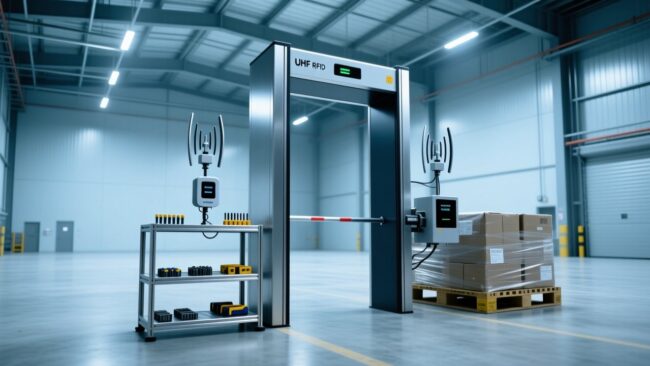
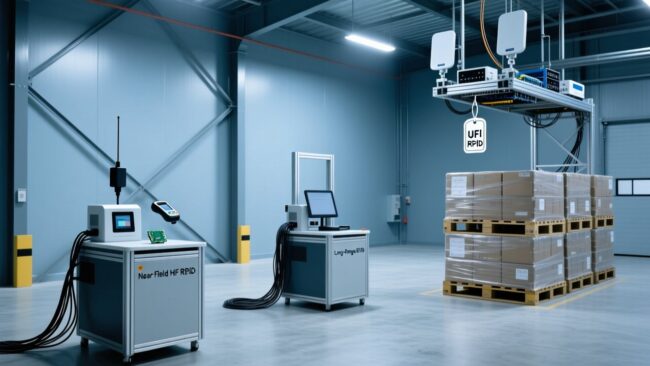
HF vs UHF RFID frequency spectrum selection guide with industrial RFID tags and reader device comparison

HF vs UHF RFID: The Complete Spectrum Selection Guide for 2026

HF vs UHF RFID: understand the decisive differences in frequency, read range, data speed, and application environments. This data-driven guide compares 13.56 MHz near-field with 860–960 MHz far-field technology, covers NFC integration, tag selection for metal and liquids, and delivers pragmatic selection criteria for procurement and technical leaders rolling out RFID in 2026. Includes technical comparison tables, deployment tips, and practical industry-specific recommendations.
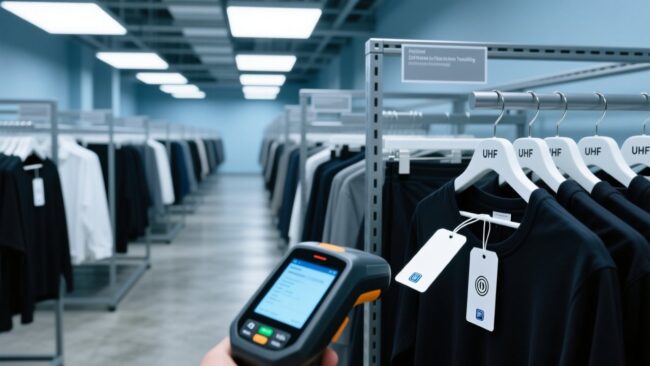

Cold storage warehouse with RFID temperature tags on boxes being scanned by a handheld reader

Cold Chain RFID Temperature Tags: Complete Technical Specs Breakdown

Explore the comprehensive technical specifications of cold chain RFID temperature tags, from passive sensor accuracy to data logger comparisons. This guide covers UHF and HF tag performance, ISBT 77 GHz range considerations, and pharma‑grade temperature logging. Learn how to evaluate frequency, זיכרון, and integration requirements, and discover practical deployment tips for cold storage, pharmaceutical supply chains, and food logistics. Based on real‑world engineering insights, this article helps buyers select the optimal RFID temperature monitoring solution for their cold chain operations.

UHF RFID antenna near-field far-field comparison for warehouse portal applications

RFID Reader Antenna Selection: Near-Field vs Far-Field for Different Applications

Selecting the right RFID reader antenna is critical for system integrators and field engineers aiming to optimize read accuracy and avoid costly deployment failures. This guide clarifies the differences between near-field and far-field UHF antennas, covering magnetic vs. electromagnetic coupling, read zone design, gain-to-range trade-offs, and blocker antenna strategies. Practical deployment tips, real-world use case comparisons, and a comprehensive FAQ help you choose the ideal antenna for item-level tagging, portal reading, or conveyor applications. Read on to make data-driven antenna decisions that improve asset tracking and inventory management across manufacturing, לוגיסטיקה, and retail.

High-temperature RFID tag on a PCB board entering a reflow soldering oven, industrial electronics manufacturing

High-Temp RFID Tags for 260°C Reflow Soldering, Autoclaves, and Industrial Ovens: A Technical Selection Guide

In automotive, aerospace, and electronics manufacturing, process tracking demands RFID tags that survive extreme heat. Standard RFID labels fail in reflow soldering (260מס' C), autoclave sterilization, and polymer curing ovens. This guide explores high-temperature RFID tag technologies—ceramic, PPS, PEEK, and epoxy—with practical parameters like tolerance duration, read range retention, and attachment methods. Learn how to select the right heat-resistant RFID tag for PCB tracking, composite curing, or medical device sterilization, ensuring reliable traceability from raw material to finished product without workflow disruption.

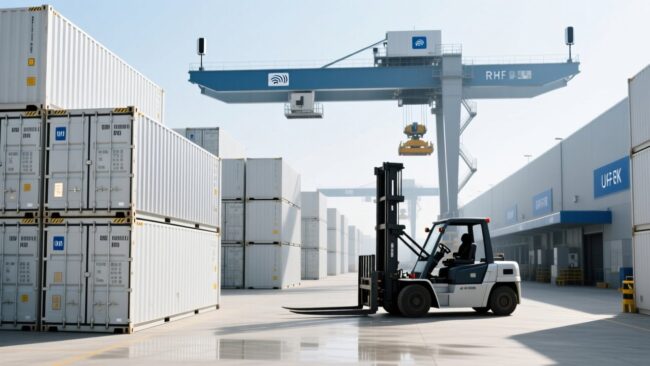
Port yard with containers and outdoor UHF RFID tag achieving long read range

Outdoor UHF Tags in Port Yards: Achieving 15m+ Read Range in Open Environments

Outdoor UHF RFID tags are revolutionizing port yard operations by enabling consistent read ranges of 15 meters or more – essential for real-time container tracking, forklift identification, and automated gate systems. This article dives into the technical requirements, from chip sensitivity and antenna design to ruggedized rubber housings and UV-resistant materials. We provide a practical selection guide, deployment best practices, and real-world considerations for harsh coastal environments, helping terminal managers make informed decisions on the right long-range RFID tag for their yard.

UHF RFID inlay chip comparison Impinj Monza vs NXP UCODE technical close-up

UHF RFID Inlays Deep Dive: Impinj NXP and Emerging Chip Technologies

In this comprehensive technical analysis, we explore the core of modern UHF RFID systems: chip technologies powering today’s inlays. From Impinj Monza R6 and M700 series to NXP UCODE 8/9 and the emerging SL900A sensor tag, we compare sensitivity, read range, זיכרון, and real-world performance. Whether you are a technical manager or procurement lead, this guide provides practical selection criteria, deployment insights, and a clear pathway to optimizing your RFID infrastructure. Discover how the right chip choice can transform inventory accuracy and supply chain visibility.