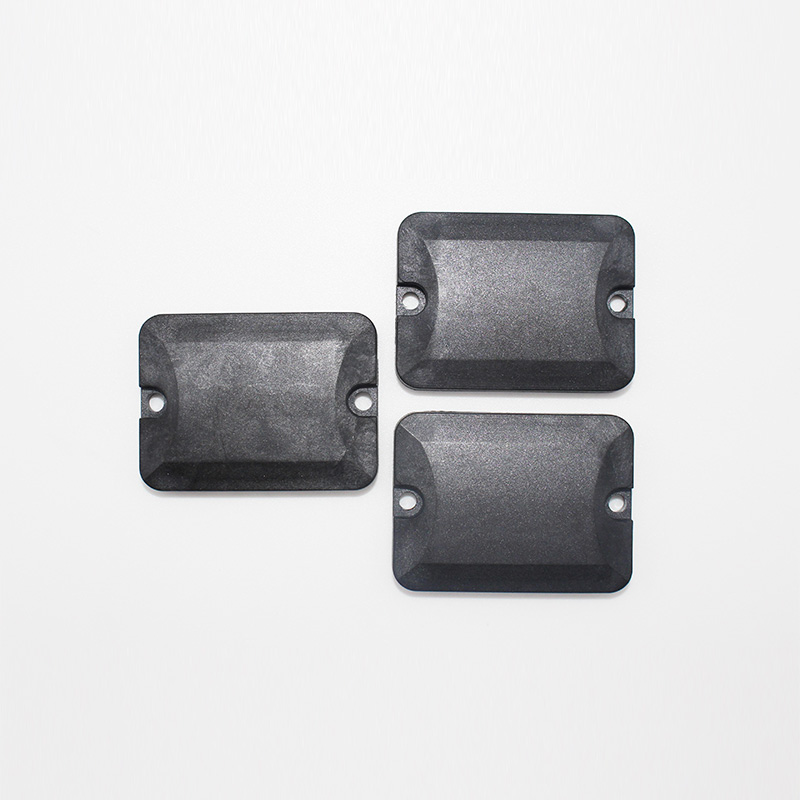
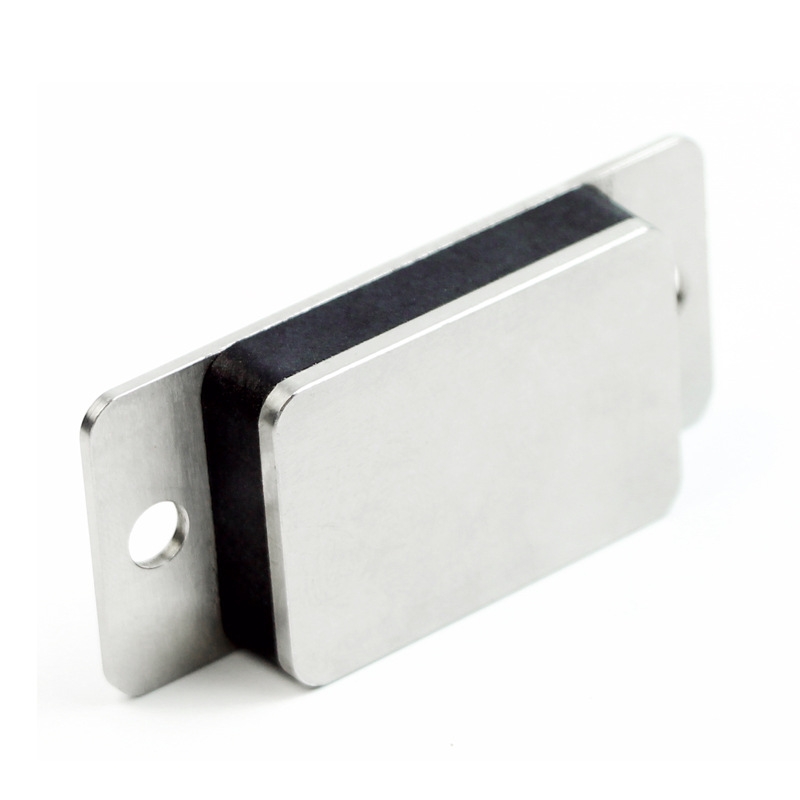
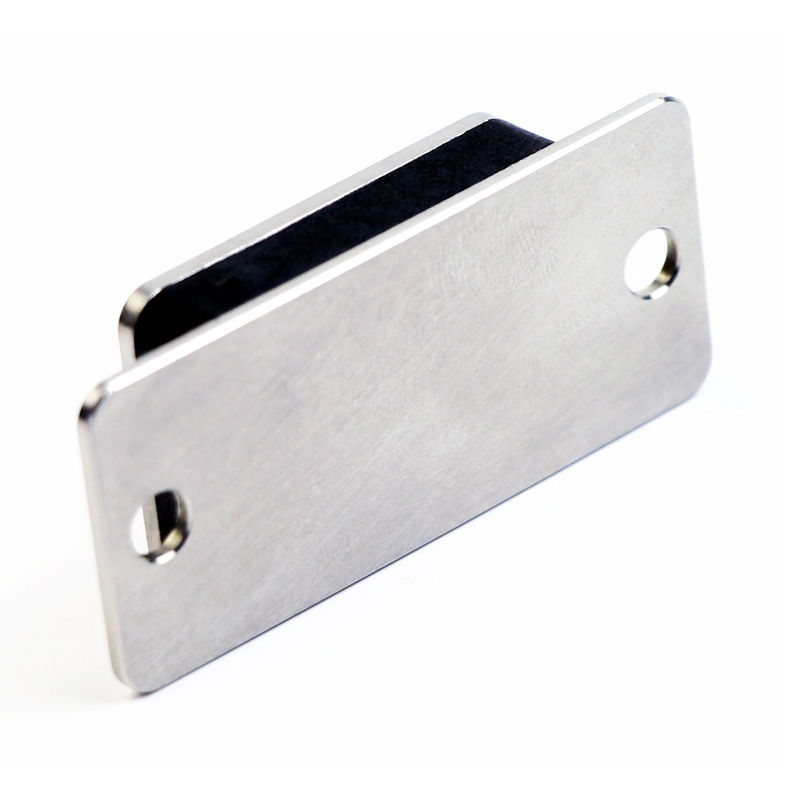
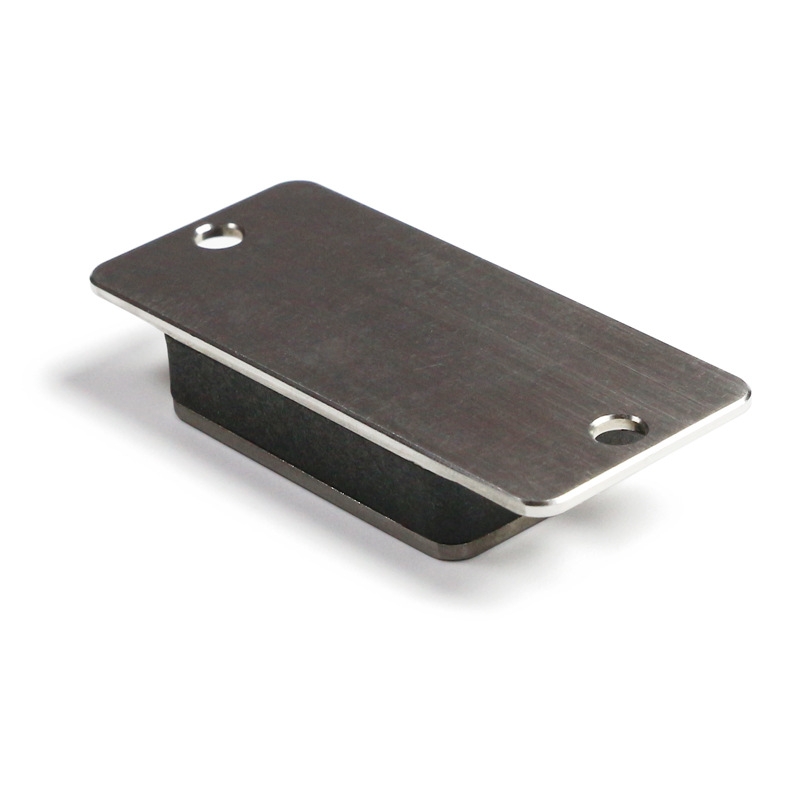
The HY-HT5625 High-Temperature Long-Range RFID Tag is an industrial-grade, ruggedized tag specifically designed for harsh MRO environments. Utilizing a construction featuring 304 stainless steel combined with an epoxy potting process, it operates stably within a temperature range of -40°C to +150°C. It delivers an industry-leading read distance of 9 mètres (when used with a fixed reader), perfectly meeting the long-range identification requirements for tools and assets in sectors such as petrochemicals, outdoor equipment management, and extreme operating conditions.
Laissez vos détails de contact maintenant pour obtenir le dernier prix!
Présentation du produit
The HY-HT5625 High-Temperature Anti-Metal RFID Tag is a high-performance, industrial-grade tag specifically designed for MRO heavy industry and outdoor equipment management. Encased in a 304 stainless steel housing, it features exceptional resistance to impact, eau, and high temperatures, operating within a range of -40°C to +150°C and with a storage temperature tolerance extending even higher, from -50°C to +260°C.Equipped with a high-performance NXP U8 chip, the tag achieves a read range of up to 9 meters when mounted on metal surfaces and read by a fixed reader, and up to 5.5 meters when read by a handheld device. This makes it an ideal choice for the long-range identification and management of large-scale machinery, heavy outdoor assets, and high-temperature industrial equipment.
Download Technical Datasheet-HY-HT5625
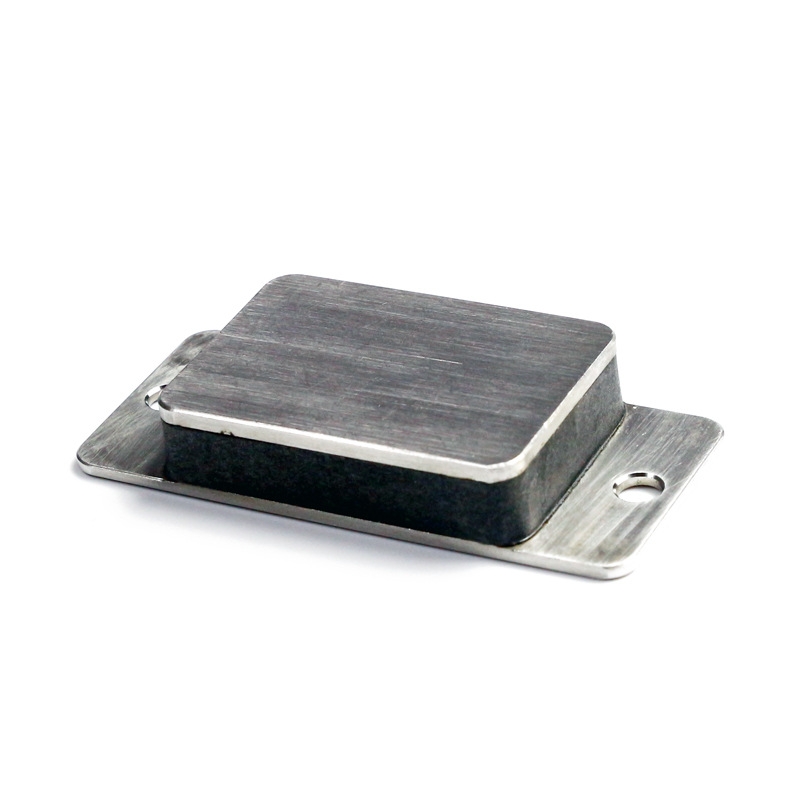
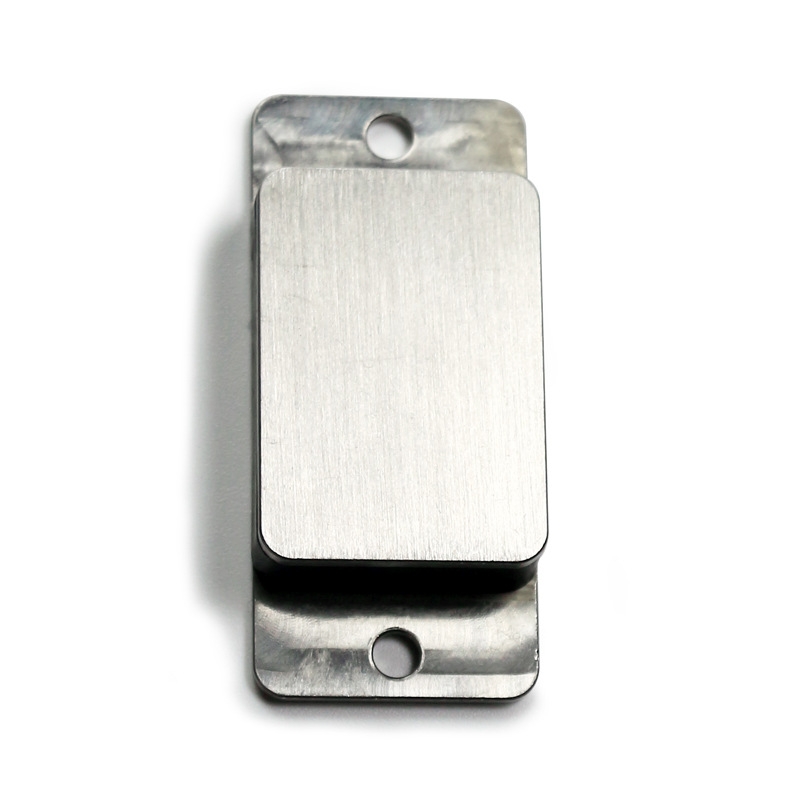
Why Choose the HY-HT5625?
✅ Ultra-Long Read Range — 9 meters for fixed readers; 5.5 meters for handheld devices
✅ Wide Operating Temperature — -40°C to +150°C; adapté aux environnements difficiles
✅ High Protection Rating — 304 stainless steel construction; water-resistant, shockproof, and corrosion-resistant
✅ Dual-Band Support — US and EU frequency bands; suitable for global applications
✅ Multiple Mounting Options — Bolt-fixing and weld-mounting; offers flexible adaptability
✅ Large Storage Capacity — 128-bit EPC; capable of storing detailed information
Spécifications
Physical Characteristics
| Paramètre | Spécification du |
| Dimensions | 56 × 25 × 9.5 mm |
| Mounting Holes | Ø4.0 mm × 2 |
| Poids | 41 g |
| Matériel | 304 Stainless Steel |
| Méthode de montage | Screw Fixing / Welding |
| Housing Features | Impact-resistant, Imperméable à l’eau, Durable Encapsulation |
| Overall Length | 56 mm |
| Overall Width | 25 mm |
| Épaisseur | 9.5 mm |
| Baseplate Thickness | 1.5 mm |
| Mounting Hole Center Distance | 48 mm |
| Tag Body Length | 36 mm |
| Corner Radius | R3 × 4 emplacements |
| Mounting Hole Specs | Ø4 mm × 2 |
| Fréquence de fonctionnement | 902–928 MHz (US Standard) / 865–868 MHz (EU Standard) |
| Communication Protocol | ISO 18000 - 6C |
| Puce | NXP U8 |
| Distance de lecture (Fixed Reader) | 9.0 m (US Standard: 902–928 MHz) / 8.8 m (EU Standard: 865–868 MHz) |
| Distance de lecture (Handheld Reader) | 5.5 m (US Standard: 902–928 MHz) / 5.3 m (EU Standard: 865–868 MHz) |
| EPC Memory | 128 bits |
| Conservation des données | 10 années |
| Écrire des Cycles | 100,000 fois |
| Température de fonctionnement | -40°C ~ +150°C |
| Température de stockage | -50°C ~ +260°C |
| Waterproof Rating | Waterproof Encapsulation Design |
| Impact Resistance | High-Impact Housing |
| Corrosion Resistance | 304 Stainless Steel (Resistant to Acids, Alkalis, and Oils) |
MRO Tool Management Application Scenarios
Management of Large-Scale Tools and Heavy-Duty Fixtures
Applicable to:
- Large-scale torque tools and hydraulic tools
- Heavy-duty clamps and tooling equipment
- Large-scale measuring instruments
- Lifting and hoisting gear (hooks, slings, and fasteners)
Management Pain Points:
- Large tools are bulky and heavy; manual inventory checks are time-consuming and labor-intensive.
- Tools are dispersed across multiple workshops, making it difficult to track their exact locations.
- Inspection and usage records are scattered and difficult to consolidate.
HY-HT5625 Solution:
Fixed readers are deployed to cover tool room aisles, automatically identifying tools as they enter or exit—eliminating the need for manual, item-by-item scanning. En outre, the handheld reader’s 5.5-meter reading range significantly boosts the efficiency of on-site inventory checks.
Avantages:
- Tool inventory time reduced by 90%
- Real-time tracking of tool locations
- Automatic generation of tool usage logs
Heavy Production Equipment Inspection
Application Scenario: Attach tags to critical equipment components to establish permanent electronic nameplates.
Managed Assets:
- Presses, injection molding machines, forging equipment
- Large motors, transformers, generators
- Industrial boilers, heat exchangers
- Large pump sets, compressor units
Advantages of Long-Range Reading:
- Inspectors can read tags without approaching hazardous equipment
- Information can be collected from high-temperature equipment while maintaining a safe distance
- Equipment protected by safety fencing can be read directly through the barriers
- Enhances inspection efficiency and personnel safety
Management Implementation:
- Equipment records are linked to tags; a quick scan retrieves all information
- Inspection routes are standardized to prevent missed inspections
- Equipment anomalies are recorded and reported in real-time
- A complete history of maintenance and repairs is preserved
Oil & Gas Equipment Management
Industry Characteristics:
- High-temperature, high-pressure, and flammable/explosive environments
- Large volume of equipment distributed across vast areas, posing significant management challenges
- Strict regulatory compliance and high traceability requirements
Applicable Equipment:
- Oil pipeline valves and flanges
- Storage tanks, separators, heat exchangers
- Wellhead assemblies, Christmas trees
- Natural gas pipeline markers
Tag Advantages:
- Wide operating temperature range suitable for high-temperature wellhead environments
- 304 stainless steel construction resists oil and gas corrosion
- Ultra-long reading range facilitates management of large tank farms
- 10-year data retention lifespan, matching the service life of the equipment
Construction Vehicles & Heavy Equipment Management
Applicable Assets:
- Forklifts, loaders, construction vehicles
- Overhead cranes, gantry cranes, bridge cranes
- Mobile compressors, mobile generators
- Large-scale construction machinery
Value of Long-Range Identification:
- Automatic vehicle identification upon entry/exit of the facility—no need to stop and scan
- Rapid inventory of equipment within parking/staging areas
- Automatic recording of equipment transfers/allocations
- Automatic alerts for unauthorized equipment entry or exit
Installation Recommendations:
- Forklifts: Mount on a fixed position on the side of the vehicle body
- Overhead Cranes: Mount on the main girder or end beam
- Construction Vehicles: Mount on the vehicle’s protective frame/cage
Large-Scale Outdoor Asset Management
Applicable Scenarios:
- Metal equipment in open-air storage yards
- Power transmission towers and utility poles
- Outdoor pipelines and storage tanks
- Construction machinery
Reasons for Suitability:
- Operating temperature range: -50°C to +260°C; capable of withstanding extreme outdoor weather conditions year-round
- Constructed from 304 stainless steel to resist exposure to sunlight, rain, and salt spray corrosion
- Ultra-long reading range, enabling wide-area coverage in outdoor environments
- Maintenance-free design with a 10-year data retention lifespan
Metal Container and Turnover Equipment Management
Applicable Assets:
- Large metal bins and metal pallets
- High-temperature material hoppers and heat-treatment baskets
- Molten iron ladles and steel ladles (in the metallurgy industry)
- Specialized containers and pressure vessels
Installation Advantages:
- Securely fastened to designated locations on containers using screws
- Resistant to container washing processes and high-temperature sterilization
- Long-range identification capabilities for rapid inventory checks at access points
- Enables comprehensive tracking of container movement and circulation throughout the entire workflow
Installation Guide
Screw-Fixed Installation (Recommended)
Required Tools:
- M4 stainless steel screws × 2
- Wrench or screwdriver of corresponding size
- Drill bit (Ø4mm specification, if new holes are required)
Installation Steps:
Pas 1: Determine Installation Location
- Select a non-working surface or non-load-bearing area of the device.
- Avoid sources of high-frequency interference.
- Ensure the reader’s line of sight to the tag is unobstructed.
- Mark the positions for the mounting holes (center-to-center distance: 48mm).
Pas 2: Prepare Mounting Holes
- Utilize existing M4 threaded holes on the device: Proceed directly to mounting.
- Drill new holes: Drill Ø4mm through-holes and tap M4 threads.
Pas 3: Secure the Tag
- Align the tag with the threaded holes.
- Insert and screw in the M4 stainless steel screws.
- Use a wrench to tighten moderately (do not overtighten).
- Verify that the tag is securely fixed.
Pas 4: Write Data
- Use a reader/writer to write information, such as the device ID, to the tag.
- Complete the binding of the tag to the device within the system.
- Installation Time: Approximately 5–10 minutes per tag.
Welded Installation
Applicable Scenarios:
- Devices where drilling is not feasible.
- Situations requiring maximum mounting strength.
- Permanent installation applications.
Welding Instructions:
- The tag’s base plate is made of 304 stainless steel and supports TIG welding.
- Clean the device surface thoroughly before welding.
- Tack-weld the four corners to ensure a flat, flush fit against the surface.
- After welding is complete, verify that the tag can be read successfully.
Précautions:
- Welding operations should be performed by a professional welder.
- Welding heat must not be applied directly to the internal components of the tag body.
- Allow the tag to cool down after welding before verifying its reading performance.
Recommended Installation Locations
| Equipment Type | Recommended Installation Location |
| Large-scale Machine Tools | Side of the machine bed, opposite the operator’s side |
| Pressure Vessels | Adjacent to the nameplate, in a non-pressure-bearing zone |
| Construction Vehicles | Fixed position on the body’s protective frame |
| Piping & Valves | On a fixed bracket adjacent to the valve flange |
| Lifting Equipment | Side of the end beam or crossbeam |
| Storage Tanks | Near the manhole, in an area free from concentrated corrosion |
Laissez vos détails de contact maintenant pour obtenir le dernier prix!
FAQ
Q1: Under what conditions was the 9-meter reading distance for the fixed reader tested?
A: This result was obtained by testing a fixed reader equipped with a high-gain antenna in an open, unobstructed environment. In actual applications, reading distance is influenced by environmental factors (such as metal obstructions, multipath interference, etc.); C’est pourquoi, on-site testing and verification are recommended. For handheld readers, a distance of 5.5 meters is fully sufficient to meet the majority of MRO inspection and inventory management requirements.
Q2: Does the 150°C operating temperature refer to continuous operation or momentary tolerance?
A: The range of -40°C to +150°C represents the continuous operating temperature range; within this range, the tag can function stably over the long term. The storage temperature can reach up to 260°C, allowing the tag to withstand brief periods of high heat from equipment and resume normal readability once the temperature returns to the operating range. If continuous operation above 150°C is required, we recommend selecting the HY-HT4836 model (which supports operating temperatures up to 230°C).
Q3: The mounting holes are specified at Φ4.0mm; what should be done if the hole positions on the on-site equipment do not match?
A: There are two potential solutions: ① Drill new Φ4mm holes on the equipment at the site—this requires only simple tools and is easy to execute; ② Opt for a welded mounting method, which eliminates the need to match existing hole positions and allows for installation on any metal surface. We can also provide customized versions with different mounting hole specifications upon request.
Q4: Can the tag be installed on equipment surfaces that have a coating?
A: Oui, il peut; Cependant, a thick coating (>2mm) may affect the reading distance. We recommend installing the tag on areas with a thin coating or on uncoated surfaces. If the entire surface of the equipment is coated, we recommend performing on-site tests to verify the actual reading distance before finalizing the installation plan.
Q5: How do I choose between the two frequency bands (902–928 MHz and 865–868 MHz)?
A: Both frequency bands are supported simultaneously on the same tag, meaning no manual switching is required. When used with a US-standard reader (902–928 MHz), the reading distance is 9 mètres; when used with a European-standard reader (865–868 MHz), the reading distance is 8.8 mètres. You can simply utilize the appropriate frequency band based on the existing reader equipment currently deployed within your organization.
Q6: Will the tag rust or corrode if used outdoors over an extended period?
A: Le 304 stainless steel housing offers excellent corrosion resistance and can withstand exposure to rainwater, salt spray, and general acidic or alkaline environments over extended periods. For severe marine atmospheres or environments involving strong acids and bases, custom housings made from 316L stainless steel or specialized alloys are available; please contact customer service for consultation.
Q7: What is the MOQ?
A: Please contact customer service for details; we will provide an optimal quotation tailored to your specific purchasing volume and requirements.
Q8: Do you support sample testing?
A: Oui, we do. We can provide a small quantity of samples to facilitate on-site installation and performance testing, allowing you to verify that the product meets your needs before proceeding with a bulk purchase, thereby minimizing procurement risks.