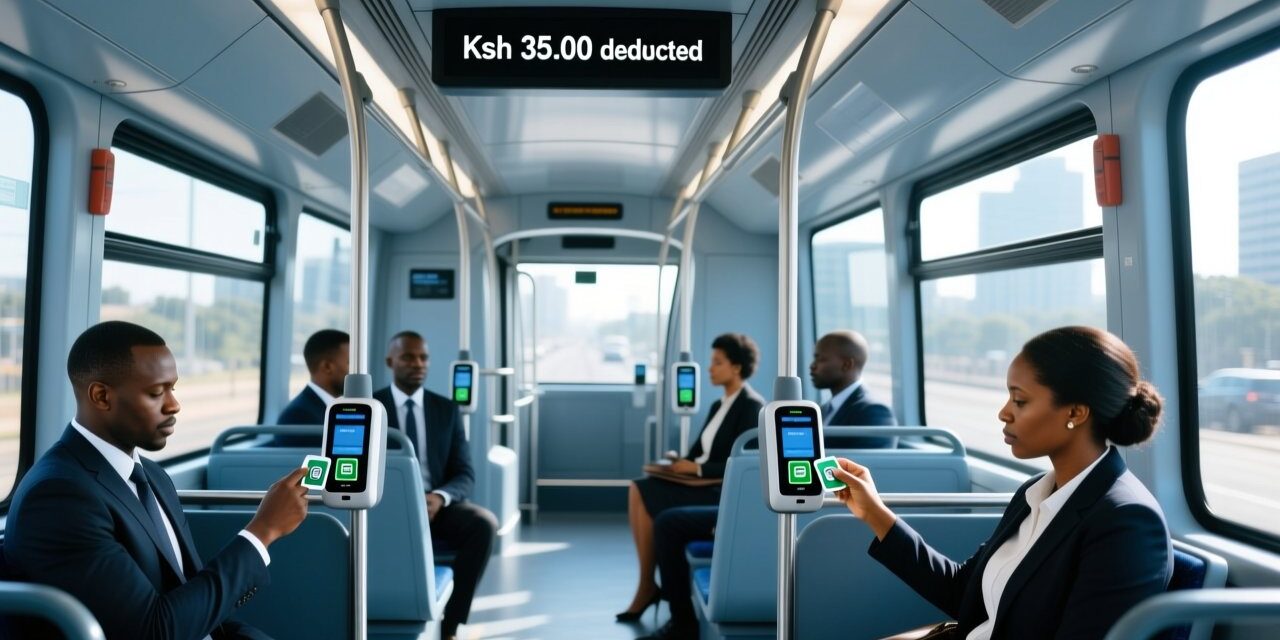
The Shift to Contactless Fare Collection in Nairobi
Nairobi, East Africa’s largest metropolitan hub, is championing a quiet but profound transformation in urban mobility. With an estimated daily ridership of over 1.5 million on matatus and buses, the Kenya Urban Roads Authority and Nairobi Metropolitan Area Transport Authority (NaMATA) have prioritized the shift from cash-only transactions to automated fare collection (AFC). At the heart of this shift is Technologie RFID – the same contactless innovation already proven in Kenya’s vehicle registration ecosystem and in global cities like London and Singapore. L’objectif est clair: reduce revenue leakages, improve boarding speeds, and generate rich passenger data to shape future transit planning.
The concept of a “Nairobi smart card” has evolved from pilot projects on commuter rail lines to a standard feature in the city’s Bus Rapid Transit (BRT) corridors. These cards—often based on 13.56 MHz high-frequency RFID plastic cards—store prepaid value and seamlessly deduct fares at onboard validators. For transit agencies and private operators alike, the move eliminates the friction of physical cash, reduces the risk of theft during collection, and enables contactless, hygienic travel—a factor that gained urgency in the post-pandemic era.
How RFID Powers Bus Ticketing: The Technical Framework
Modern bus ticketing systems rely on a tightly integrated ecosystem of RFID tags, lecteurs, and backend software. When a passenger taps a contactless smart card on a validator, the reader emits a radio frequency field that powers the passive Inlays RFID inside the card. The chip then transmits its unique identifier and, if required, encrypted balance data in milliseconds. Below are the core technical elements that any Nairobi bus project team must consider.
Card Technologies: MIFARE and Beyond
Most East African transit systems adopt ISO/IEC 14443 Type A compliant chips, with NXP’s MIFARE family dominating the market. The choice ranges from the cost-effective MIFARE Classic 1K (with limited security, ideal for closed-loop systems) to the highly secure MIFARE DESFire EV2/EV3 offering AES encryption, multi-application support, and flexible file structures. For disposable or short-term tickets, transit operators often turn to RFID paper tickets embedding an ultra-thin coil and chip, which can be recycled or discarded after a set number of journeys.
Reader Infrastructure and Validators
Bus validators are ruggedized RFID reader modules designed to withstand vibration, Poussière, and temperature extremes. They typically incorporate a 13.56 MHz antenna, a secure access module (SAM) for key storage, and connectivity options like GPRS/4G or Wi‑Fi for real-time or batch data synchronization. For Nairobi’s BRT, validators are often pole-mounted at boarding doors or handheld for conductors on matatus. Read range is deliberately limited to 5–10 cm to avoid accidental reads, while anti-collision algorithms enable multiple passengers to tap without interfering. Readers must also support mobile NFC payments—where the smartphone emulates a MIFARE chip—bridging the gap between Tags NFC and traditional cards.
Deployment Challenges and Practical Solutions
Implementing RFID smart bus ticketing in Nairobi involves navigating a unique set of operational constraints. While the technology itself is mature, the local environment and stakeholder ecosystem demand careful planning.
- Power Supply and Connectivity: Onboard power can be intermittent. Validators must include backup batteries and store transactions offline when GPRS networks falter. System integrators should prioritize readers with large local memory (minimum 10,000 transactions).
- Card Durability and User Behaviour: Frequent handling, exposure to heat, and even water damage are common. Multifunctional RFID plastic cards with laminated PVC or PET‑G bodies resist warping and fading. Encouraging passengers to use card sleeves further extends lifespan.
- Interoperability with Multiple Operators: Nairobi’s fragmented public transport requires a fare medium that works across BRT, commuter rail, and eventually matatu routes. This demands a central clearinghouse system and standardized card profiles—often achieved with DESFire’s multi‑application capability and shared SAMs.
- Revenue Protection: To prevent cloning, older MIFARE Classic cards should be upgraded or used with additional authentication layers. Implementing dynamic keys and diversified key per card/ticket reduces counterfeit risk.
Selection Criteria for RFID Ticketing Components
When sourcing RFID smart cards, incrustations, et des modules de lecteur, transit authorities should adopt a structured evaluation process. The following table summarizes critical parameters.
| Paramètre | Recommendation |
|---|---|
| Chip type | MIFARE DESFire EV2/EV3 for security; Ultralight C for limited-use tickets |
| Mémoire | At least 2 KB for multi-application (fare, loyalty, parking) |
| Read distance | 5–10 cm, adjustable via antenna power |
| Transaction speed | <300 ms from tap to beep |
| Environmental rating | IP54 or higher for validators; cards compliant with ISO/IEC 10373‑1 flex test |
| Certification | ISO 14443, ISO 7816 for SAM, EMVCo Level 1 if integrating bank cards |
Beyond silicon specifications, the card body matters. For daily commuters, a robust PVC card with anti‑scratch overlay and optional photo ID slot reduces replacement cycles. For occasional riders, low‑cost RFID paper tickets with tamper‑evident features strike the right balance between cost and functionality. In all cases, working with a manufacturer that offers in‑house encoding and personalization services ensures cards arrive ready to be loaded into the fare management system.
Market Context: East Africa’s Growing RFID Transit Ecosystem
Nairobi is not alone. Kampala, Uganda, is piloting touch‑and‑pay cards on its Pioneer Easy Bus routes; Dar es Salaam’s DART BRT already uses NFC‑enabled smartcards for flat‑rate fares. The East African Community (EAC) is exploring a cross‑border transit card framework, which would see a single RFID card working seamlessly from Mombasa to Kigali. This harmonization trend makes it vital to select platforms that support Evolution of EMV or CIPURSE standards, enabling future regional interoperability.
Kenya’s own experience with RFID in asset tracking—such as the NTSA’s mandatory UHF windshield tags for vehicle registration—demonstrates the country’s readiness to adopt RFID at scale. The lessons learned in deployment logistics, tamper‑proofing, and multi‑vendor coordination are directly transferable to the transit sector. Local system integrators can leverage existing RFID reader module supply chains and technical support infrastructure to accelerate rollout.
The Road Ahead
As Nairobi pushes toward its target of 50% cashless fare transactions by 2027, the demand for high‑quality RFID plastic cards, robust validators, and intelligent fare engines will only intensify. Success lies in choosing technology partners who understand not just RFID components, but the full lifecycle of transit ticketing—from card personalization to data analytics. With the right selection, Nairobi can model a smart mobility solution that works for all of Africa.
FAQ
1. What RFID frequency is used in Nairobi bus ticketing?
Most systems operate at 13.56 MHz (haute fréquence) following ISO/IEC 14443. This frequency provides a short, secure read range ideal for contactless smart cards and supports multi‑application platforms like MIFARE DESFire.
2. Can I use my phone as a bus card in Nairobi?
Oui, if the validator supports NFC card emulation. Phones with built‑in Tags NFC and appropriate mobile apps can mimic MIFARE cards, but this requires cooperation with mobile network operators and the fare system provider.
3. How durable are RFID bus cards in daily use?
High‑quality PVC or PET‑G RFID plastic cards can withstand over 10,000 flex cycles and are resistant to heat and moisture. Using a protective sleeve can further extend card life beyond two years of heavy commuting.
4. Is RFID bus ticketing secure against fraud?
Modern chips such as MIFARE DESFire EV3 use AES encryption and mutual authentication, making cloning extremely difficult. En outre, backend systems can track unusual transaction patterns and hotlist compromised cards in near real‑time.
5. What are the main cost drivers for implementing an RFID bus ticketing system?
Key costs include the cards (USD 0.50–2.00 per card depending on chip and body), bus validators (USD 200–600 per unit), backend software, and integration. Large‑scale deployments often amortize these costs through reduced cash handling losses and increased ridership data value.
Partner with RFIDHY for Your Smart Transit RFID Needs
Ready to deploy or upgrade your bus ticketing system in East Africa? RFIDHY delivers end‑to‑end solutions—from secure RFID smart cards et disposable paper tickets to rugged RFID reader modules engineered for African operating conditions. With in‑house personalization, continent‑wide logistics, and deep expertise in high‑frequency RFID, we help transport authorities achieve seamless, cashless fare collection. Contact our team today to discuss your project requirements and request product samples.