
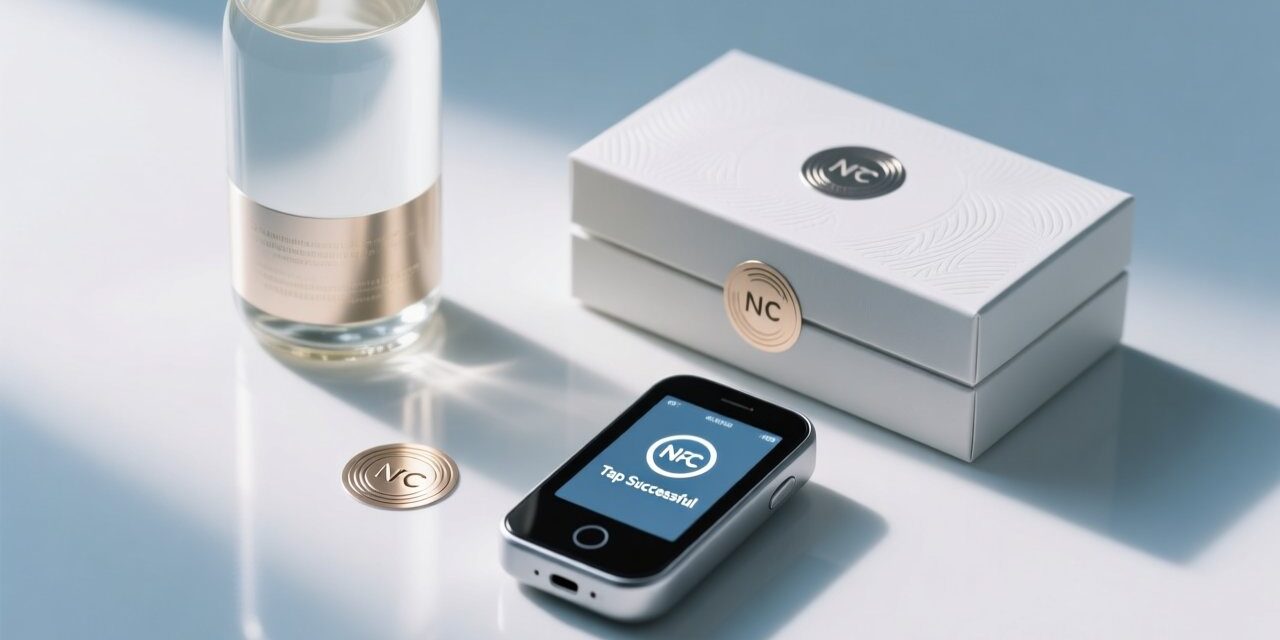
Why NFC Tags Are Revolutionizing Smart Packaging
Smart packaging is no longer a novelty—it’s a strategic imperative. As consumer brands compete in increasingly saturated markets, NFC-tags offer a seamless bridge between physical products and digital experiences. Unlike passive QR codes, NFC-tags enable tap-to-connect interactions without app downloads, delivering instant access to product stories, usage instructions, authenticity verification, and loyalty rewards.
Core Benefits for Consumer Brands
- Product authentication NFC: Embedded NTAG chips provide cryptographic verification, helping combat counterfeiting across luxury goods, pharmaka, und Elektronik.
- Enhanced consumer engagement: Tap-to-play videos, AR unboxings, and multilingual support increase dwell time and emotional connection.
- Transparenz in der Lieferkette: When paired with backend systems, NFC labels feed real-time data on distribution, Haltbarkeit, and recall readiness.
- Sustainability tracking: Brands can log material origin, carbon footprint, and recycling instructions directly on the NFC sticker.
Key Use Cases Across Industries
1. Luxus & Cosmetics
High-end skincare and fragrance brands embed printable NFC stickers beneath bottle caps or inside boxes. Consumers tap to verify authenticity, view ingredient sourcing maps, and unlock exclusive content—building trust and premium perception.
2. Essen & Beverage
Fresh produce and ready-to-eat meals use NFC-tags to display harvest dates, allergen alerts, and recipe suggestions. Temperature-sensitive items integrate NFC-enabled smart labels that log ambient conditions during transit.
3. Arzneimittel & Health Supplements
Regulatory compliance meets patient safety: NFC cards and tamper-evident NFC-Aufkleber help pharmacists and consumers confirm batch numbers, expiry, and dosage instructions—reducing medication errors.
How to Integrate NFC Tags into Your Packaging Workflow
Successful deployment requires alignment across design, Produktion, and digital infrastructure. Follow this proven 5-step integration framework:
- Define objectives: Is your priority anti-counterfeiting, sustainability storytelling, or post-purchase engagement?
- Select tag type: Choose from flexible NFC-Aufkleber, paper-based NFC-tags, or embedded NTAG chips based on substrate, durability, and read range needs.
- Gestaltung & test placement: Avoid metallic layers or thick foil barriers. Validate NFC performance with handheld readers like RFID reader modules during pre-press trials.
- Link to cloud platform: Use dynamic URL redirection to update content remotely—no hardware changes needed.
- Train stakeholders: Equip packaging vendors, QA teams, and marketing staff with NFC reader apps and testing protocols.
Technical Considerations for Scalable Deployment
| Factor | Recommendation |
|---|---|
| Leseabstand | Standard HF NFC (13.56 MHz) offers 0–5 cm range—ideal for controlled interaction; ensure consistent antenna orientation during label application. |
| Materialverträglichkeit | Use metallized or on-metal variants only when packaging includes aluminum liners. For standard cartons, Standard NFC sticker formats perform reliably. |
| Data Capacity | NTAG213 supports 144 Byte; NTAG216 supports 888 bytes—sufficient for URLs, small JSON payloads, or encrypted hashes for product authentication NFC. |
Complementing NFC with Broader RFID Ecosystems
While NFC excels at consumer-facing interactivity, integrating it with broader RFID logistics solutions strengthens end-to-end visibility. Zum Beispiel, UHF RFID tags track pallet-level movement through warehouses, while NFC labels activate at the point of sale or first use. This dual-layer approach—UHF-RFID-Tags for backend automation and NFC-tags for front-end engagement—creates a unified IoT strategy aligned with RFID-Anwendungen im Einzelhandel, Gesundheitswesen, and industrial settings.
Häufig gestellte Fragen
- What’s the difference between NFC and RFID in packaging?
- NFC is a subset of HF RFID operating at 13.56 MHz, optimized for short-range, Sichere, two-way communication with smartphones. UHF-RFID- (z.b., UHF-RFID-Tags) offers longer read ranges and bulk scanning—ideal for warehouse inventory but not consumer tap interaction.
- Can NFC tags be printed directly onto packaging?
- Yes—flexible printable NFC stickers are compatible with offset, flexo, and digital printing workflows. Die-cutting and lamination must avoid damaging the antenna coil.
- How do NFC tags support product authentication NFC?
- By embedding unique identifiers or cryptographic signatures in NTAG chips, brands enable smartphone-based verification against cloud databases—stopping counterfeiters before purchase.
- Are NFC labels durable enough for shipping and storage?
- Industrial-grade NFC inlays (z.b., NFC-tags with PET or epoxy encapsulation) withstand humidity, temperature shifts, and abrasion—meeting ISO/IEC 14443 standards for reliability.
Ready to Launch NFC-Enabled Smart Packaging?
RFIDHY offers certified NFC-tags, custom NFC-Aufkleber, and engineering support for seamless integration—from prototype to full-scale production.
Contact our packaging solutions team today for sample kits, compatibility testing, and co-branded implementation roadmaps.