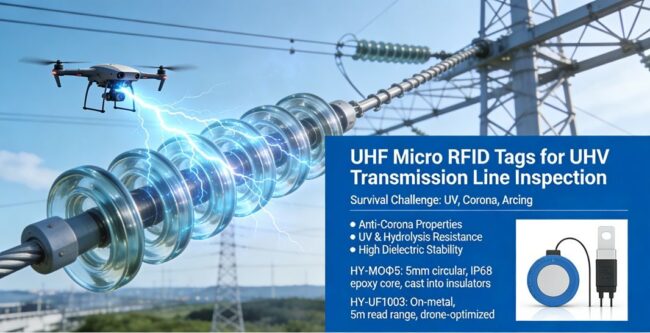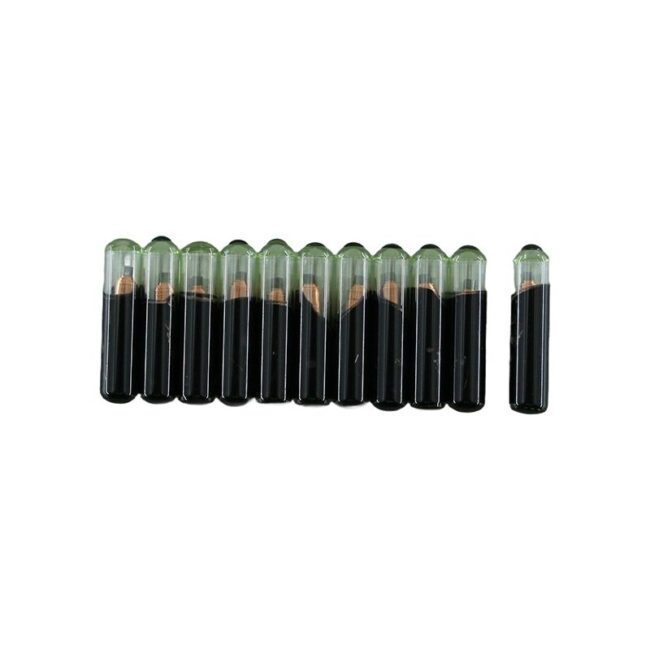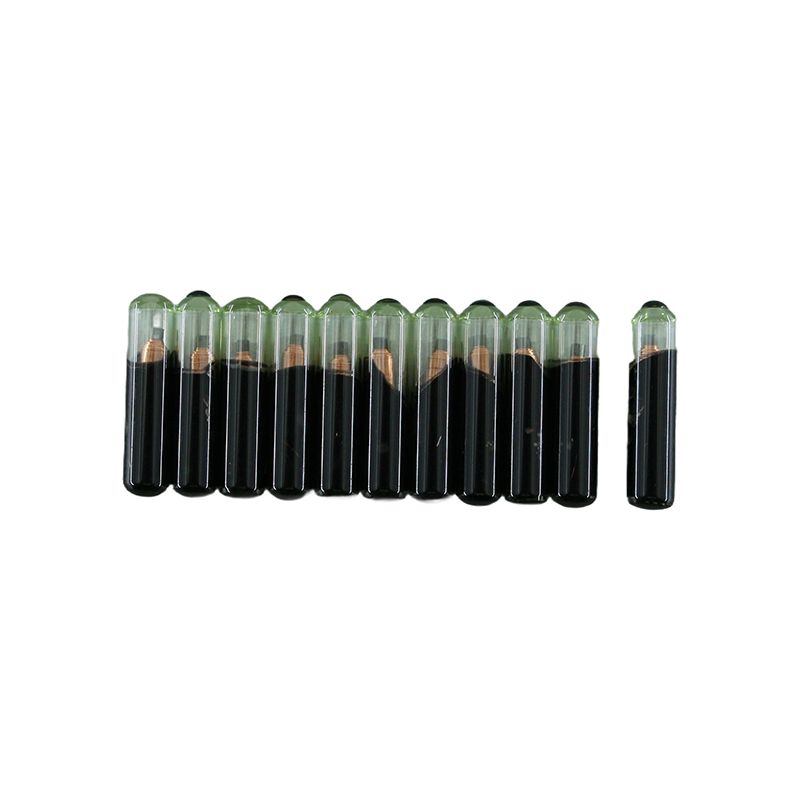
Biocompatible Micro RFID tags

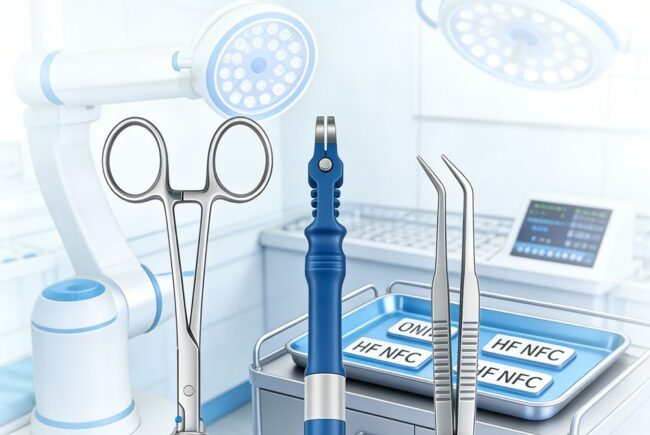
Identifying the “Joints” of Robotic: Biocompatible Micro RFID tags

Identifying the “Joints” of Robotic: The Era of Traceable Precision In the modern operating room (OR),  as instruments like ultrasonic shears, staplers, and robotic graspers become more sophisticated and miniaturized, they present a significant “blind spot” for hospital logistics. These high-value medical disposables must be strictly traced to individual patients to prevent the catastrophic risks…

Securing Aerospace Assets with Sub-Miniature RFID

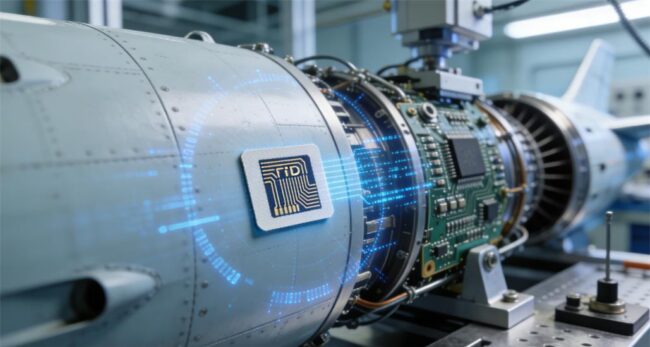
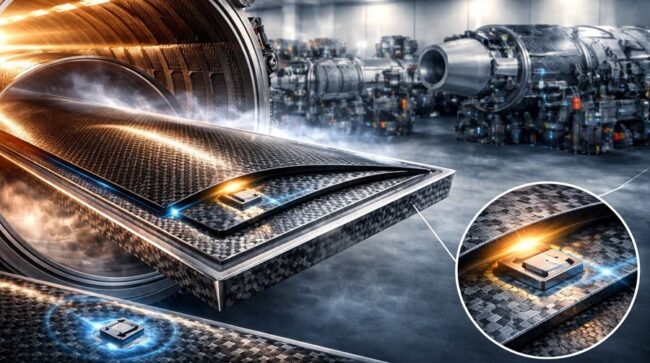
Fastener Tracking: Reliability Under Extreme Vibration and Pressure

Beyond the Sound Barrier: Securing Aerospace Assets with Ultra-small RFID In the aerospace sector, the integrity of a single high-strength bolt or skin fastener is a matter of mission success. For Maintenance, Repair, and Overhaul (MRO) teams, the challenge is maintaining “Cradle-to-Grave” traceability for thousands of critical fasteners subjected to intense vibration profiles, rapid atmospheric…

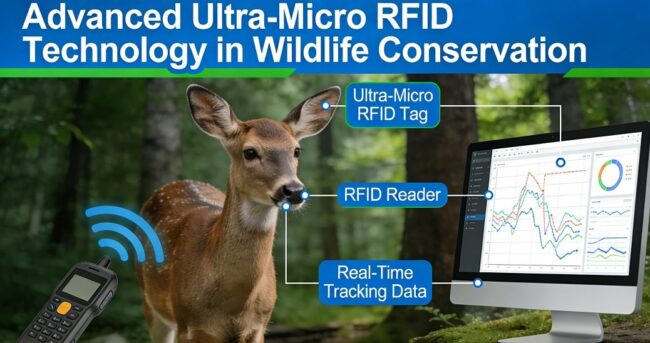
Advanced Ultra-Micro RFID Technology in Wildlife Conservation

Ultra-Micro RFID Tags: Revolutionizing Rare Species Conservation & Research

The landscape of wildlife conservation is shifting toward precision data. For researchers tracking rare species—ranging from migratory hummingbirds to elusive desert rodents—the primary barrier has been the physical footprint of tracking hardware. Conventional transponders often exceed the 3%–5% body weight rule, leading to altered behavior or physical distress. 1.Addressing the Critical Pain Points in Small…

Why Does Your RFID System Need an “LF+HF” Dual-Frequency Solution?

Introduction: The “Frequency Dilemma” in RFID System Deployment In the fields of industrial automation, livestock management, and high-security asset tracking, enterprises often face a difficult choice: should they opt for Low Frequency (LF) or High Frequency (HF)? LF (Low Frequency), with its superior physical penetration capabilities and resistance to interference, stands as the preferred choice…