RFID asset tracking at Tanzanian gold mine reduces equipment loss by 73 percent

Case Study: How a Tanzanian Gold Mine Reduced Equipment Loss by 73% with RFID

Discover how a mid-tier gold mine in Tanzania achieved a dramatic 73% reduction in equipment loss by deploying a rugged RFID asset tracking system. This case study details the challenges of tracking heavy machinery in harsh mining environments, the technical solution using passive UHF RFID tags, fixed readers, and handheld scanners, and the measurable ROI. Learn about key selection criteria for on-metal tags, installation best practices, and how systematic real-time tracking can slash insurance costs and improve operational efficiency. This data-driven analysis includes a technical specification table and actionable implementation tips for African mining operations.

Smart parking system in Dubai with UHF windshield tags on vehicles and RFID readers at entrance gates, modern city skyline in background

Case Study: Dubai Smart Parking: UHF Windshield Tags Serving 50000 Vehicles Daily

Dubai’s drive toward smart city innovation has led to the deployment of UHF windshield tags for parking automation, now handling over 50,000 vehicles per day. This case study explores how passive UHF RFID technology replaces manual tolls and ticket systems with seamless, high-speed vehicle identification. We examine the system architecture, technical specifications of long-range windshield tags, reader integration strategies, and real-world performance data. The article also provides practical deployment tips, a FAQ section, and insights into how governments and municipalities across the Middle East are scaling RFID-based parking solutions for efficiency and revenue control.

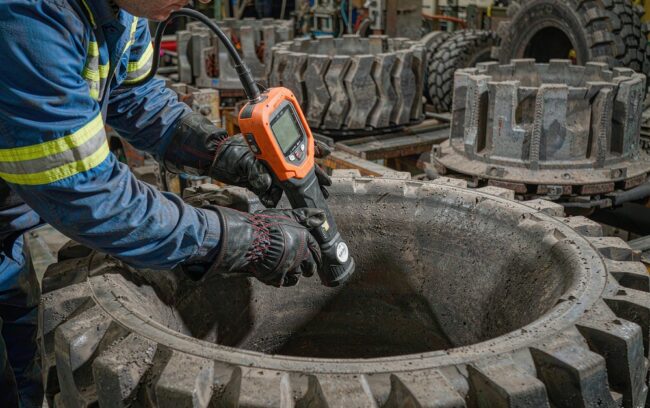
UHF RFID on-metal barrel tag being scanned in a wine cellar

Case Study: South American Winery Achieves 99% Read Rate with UHF Barrel Tags in Underground Cellar

Discover how a leading Chilean wine exporter transformed barrel inventory management with on-metal UHF RFID tags in a humid underground cellar. This case study details the technical requirements, IP68-rated tag selection, reader integration, and operational adjustments that eliminated manual scanning errors and boosted read accuracy to 99%. Learn practical deployment tips for vineyards and wineries looking to automate traceability, reduce labor costs, and comply with export documentation demands using industrial RFID solutions from RFIDHY.

Procurement manager inspecting RFID tag samples on a metal table with handheld scanner in modern warehouse

RFID Tag Procurement Checklist: 10 Questions to Ask Every Supplier

Sourcing the right RFID tags can mean the difference between a flawless deployment and costly rework. This comprehensive RFID procurement checklist arms North American procurement managers, logistics directors, and IT leaders with 10 essential technical questions to ask every supplier. From chip memory architecture to read range, from compliance certifications to sample testing protocols, our guide helps you avoid common pitfalls when importing RFID tags from China or evaluating global vendors. Get the data-driven framework to ensure your next batch of UHF RFID tags, HF RFID tags, or specialty inlays delivers consistent performance in your real‑world environment.

RFID tag total cost of ownership 5-year calculation model concept with cost analysis graph overlay

RFID Tag Total Cost of Ownership: A 5-Year Calculation Model for Supply Chain Managers

This article presents a rigorous 5-year total cost of ownership (TCO) model for RFID tags, equipping financial and supply chain managers with data-driven insights to compare RFID against traditional barcode systems. We break down acquisition, deployment, maintenance, and replacement costs, factor in durability and read life, and examine how bulk UHF tag pricing trends influence long-term budgets. Practical selection tips and a detailed FAQ section help decision-makers build a compelling business case for RFID investment.

Miniature RFID tag on surgical instrument being scanned for inventory management

Miniature RFID Tags for Medical Instruments: Size vs Performance Trade-offs

As healthcare facilities adopt RFID for surgical instrument tracking, procurement teams face a critical question: how small can an RFID tag be while still delivering reliable read rates and withstanding sterilization? This article explores the trade-offs between tag miniaturization and performance, covering UHF, HF, and implantable options. Learn about the smallest UHF RFID tag sizes, on-metal challenges, and how to evaluate tags for autoclave, ETO, and gamma sterilization. Get actionable selection tips and ensure your medical device tracking system meets both clinical and compliance requirements.

HF vs UHF RFID frequency spectrum selection guide with industrial RFID tags and reader device comparison

HF vs UHF RFID: The Complete Spectrum Selection Guide for 2026

HF vs UHF RFID: understand the decisive differences in frequency, read range, data speed, and application environments. This data-driven guide compares 13.56 MHz near-field with 860–960 MHz far-field technology, covers NFC integration, tag selection for metal and liquids, and delivers pragmatic selection criteria for procurement and technical leaders rolling out RFID in 2026. Includes technical comparison tables, deployment tips, and practical industry-specific recommendations.