
Understanding Mexico’s Oil & Gas Asset Tracking Landscape
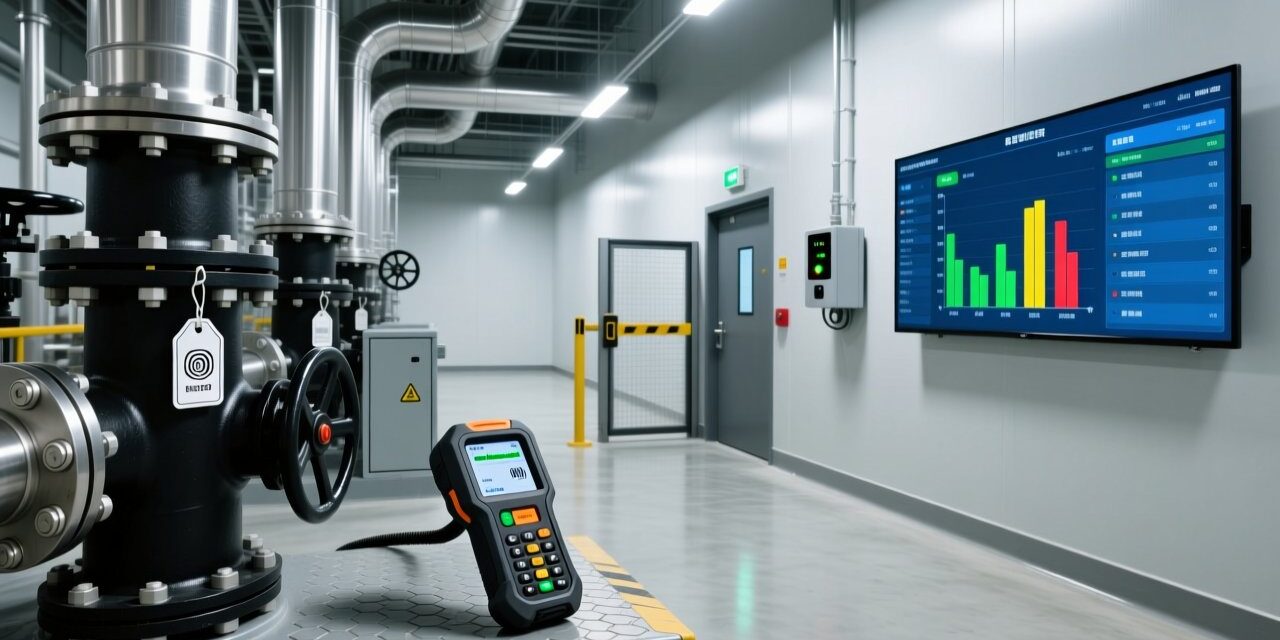
Mexico’s energy sector, dominated by Petróleos Mexicanos (PEMEX), operates one of the world’s most demanding industrial environments. Offshore platforms in the Gulf of Mexico, sprawling refineries, and extensive pipeline networks require precise asset visibility to maintain safety and operational continuity. Traditional barcode or manual tracking methods often fail under extreme heat, salt spray, chemical exposure, and ATEX/IECEx explosive atmosphere requirements. This is where on-metal RFID tags and rugged RFID infrastructure become critical.
PEMEX’s compliance mandates and the growing adoption of Industry 4.0 practices in Latin America are pushing suppliers toward automated, real‑time asset management. RFID technology provides a proven path to meet these demands while reducing tool loss, improving maintenance workflows, and ensuring 100% audit readiness.
Why Standard RFID Fails in Oil & Gas Environments
Conventional RFID labels and inlays are not designed for the harsh realities of oil and gas operations. Factors that destroy standard tags include:
- Extreme temperatures: Surfaces on pipelines, valves, and drilling equipment can exceed 200°C.
- Metal proximity: Most assets are metallic, causing detuning and read failure without proper high‑temperature RFID tags with anti‑metal design.
- Chemical exposure: Crude oil, solvents, and H₂S degrade ordinary plastic housings.
- Physical stress: Titreşim, impact, and high‑pressure washing demand rugged encapsulation.
- ATEX zoning: Tags and readers must be intrinsically safe or certified for hazardous areas.
To deliver reliable Mexico oil gas RFID asset tracking, every component must be engineered for these conditions.
Technical Specifications for Extreme‑Condition RFID Tags
When selecting RFID tags for PEMEX projects, prioritize these technical parameters:
| Parametre | Recommended Specification |
|---|---|
| Frekans | UHF (860‑960 MHz) for long read range; HF/NFC for close‑up tool crib authentication |
| Çalışma sıcaklığı | ‑40°C to +250°C for surface‑mount; certified 250°C for high‑heat zones |
| Ingress protection | IP68 or IP69K (high‑pressure washdown) |
| Metal tolerance | Designed specifically for on‑metal use; spacer or ferrite layer integrated |
| Chemical resistance | Pps, Seramik, or PTFE housing resistant to hydrocarbons, acids, and alkalis |
| Sertifikasyon | Atex / IECEx Zone 1 or Zone 2 for explosive atmospheres (passive tags often exempt, but packaging matters) |
| Bellek | EPC 128‑bit + kullanıcı belleği (512‑bit or more) for storing asset data, maintenance logs |
Examples of extreme‑condition products include the industrial RFID hard tag series and the rugged RFID screw tag, both built to withstand drilling vibration and corrosive atmospheres.
Deploying RFID Readers in Hazardous Zones
A reliable reader infrastructure is equally important. Fixed readers installed at choke points (warehouse exits, tool cribs) or on vehicles must match the environment’s certification requirements.
- Fixed UHF readers: , high‑configuration 4‑port UHF RFID reader supports multiple antennas and can be housed in explosion‑proof enclosures for Zone 2 alanları.
- Industrial‑grade readers: For robust performance, , industrial‑grade UHF RFID reader delivers high throughput and reliable tag capture even in metal‑dense zones.
- Handheld scanners: Taşınabilir UHF handheld readers enable spot checks and yard management, with intrinsically safe versions available.
- Antenna selection: Pair readers with ruggedized RFID antennas rated for outdoor use and wide temperature swings.
Practical Deployment Tips for PEMEX Suppliers
1. Start with a Metal‑Friendly Tag Evaluation Kit
Before full rollout, test several tag form factors on actual assets. Surface curvature, paint thickness, and nearby welds affect performance. RFIDHY offers sample packs including flexible RFID tags, UHF PCB tags, and tamper‑proof options to find the best fit.
2. Implement Zoned Reading Architecture
Offshore platforms and refineries are divided into process zones. Deploy fixed reader portals at zone transitions (Örneğin., from safe area to hazardous zone) to automatically log asset movement. This supports PEMEX’s “control de activos” (asset control) protocols and reduces manual data entry.
3. Integrate with Existing EAM/CMMS
RFID data must flow into enterprise asset management (EAM) or computerized maintenance management systems (CMMS) like SAP or Maximo. Use middleware that converts tag reads into REST API calls. Tipik bir RFID asset tracking system architecture includes readers, edge processing, and cloud‑based dashboards that visualize real‑time location and maintenance status.
4. Train Crews on Tag‑reader Interaction
Even rugged tags fail if incorrectly mounted. Follow manufacturer guidelines for adhesive, rivet, or screw attachment on on-metal RFID tags. Ensure personnel understand read ranges and avoid RF‑shadowing from large metal equipment.
Case Study Reference: Mexican Offshore Rig Tool Management
Although specific customer names are confidential, RFIDHY has supported Latin American energy contractors in achieving a 64% reduction in non‑productive time caused by misplaced tools. By tagging blowout preventers, drill pipes, valves, and even personal protective equipment (Ppe) with specialized RFID PPS tags, rigs maintained a live asset inventory synchronized with the control room. Such deployments align with PEMEX’s supplier requirements for digital traceability.
Frequently Asked Questions
Selecting the Right RFID Partner for PEMEX Projects
When evaluating RFID suppliers, consider:
- Proven track record with Mexico oil gas RFID asset tracking Dağıtım.
- Ability to provide ATEX/IECEx‑compliant enclosures or passive tag declarations.
- In‑house customization for tag housing, kodlama, and reader configuration.
- Local support or a global network capable of servicing offshore sites.
RFIDHY has been delivering industrial RFID solutions across the Americas, with a portfolio that includes Everest PCB tags for high‑value assets and seramik RFID etiketleri for extreme heat applications. Our engineering team collaborates directly with EPC contractors and end‑users to ensure a smooth pilot and scalable rollout.
FAQ
What RFID frequency is best for PEMEX oil & gas assets?
UHF (860‑960 MHz) is typically preferred for its long read range (ilâ 15 m) on metallic surfaces, while HF (13.56 MHz) or NFC may be used for tool crib authentication or safety inspection checkpoints. The choice depends on the specific asset type, read distance required, and environmental interference.
Do RFID tags need ATEX certification for PEMEX?
Passive UHF RFID tags are generally considered “simple apparatus” and may not require ATEX certification if they have no energy storage. Ancak, the reader and antenna installation must comply with hazardous area classifications. Always consult PEMEX’s latest safety regulations and work with an RFID supplier who understands IECEx requirements.
Can RFID tags survive offshore saltwater corrosion?
Evet, specially designed tags with IP68 or IP69K ratings and housings made of PPS, Seramik, veya 316 stainless steel withstand salt spray and frequent washdowns. Örneğin, industrial RFID hard tags sealed with epoxy or ultrasonic welding are proven in marine environments.
How do I read tags on large metal structures like drilling rigs?
On‑metal RFID tags use a spacer or ferrite backing to reflect the RF signal, overcoming detuning. Fixed antennas with circular polarization improve read reliability. A site survey with a UHF handheld reader is recommended to map optimal tag placement and antenna angles.
What data can I store on an RFID tag for oil & gas assets?
Beyond the unique EPC identifier, many UHF tags offer user memory for asset serial numbers, manufacturing date, last inspection date, and calibration status. This enables offline reads and reduces database lookups. For safety‑critical equipment, NFC tags can store digital passports accessible by a NFC okuyucu during field inspections.
Need PEMEX‑Compliant RFID Asset Tracking?
Ensure your tags stand up to Mexico’s toughest oilfield conditions. RFIDHY specializes in extreme‑environment RFID tags, okuyucular, and full integration services for energy suppliers.
Talk to Our Engineering Team →
Or explore our RFID product catalog for on‑metal tags, high‑temperature options, and certified UHF readers.