

RFIDHY is a leading manufacturer of embedded RFID tire tags that help tire brands, retreaders, and fleets capture a secure, machine-readable identity for every tire. As regulators move toward product-level transparency, the tire Digital Product Passport (DPP) has shifted from a conceptual idea to a concrete compliance requirement. This guide explains what a tire DPP is, why the European Union is driving it, the data model behind it, and how embedded RFID makes the passport practical on a real production line.

What Is a Tire DPP?
A tire Digital Product Passport is a structured, electronically accessible record that carries key information about a single tire or a tire model throughout its life. Think of it as a digital twin identity card: instead of a paper label that is lost at the first handling, the DPP links a unique identifier on the tire to a secure data set hosted by the manufacturer or a regulated registry. Buyers, recyclers, and authorities can read that data with a scanner or a smartphone and learn where the tire was made, what materials it contains, its rolling-resistance class, and its retread history.
The concept is not limited to tires. The DPP framework is being extended across many product categories under the EU sustainable-products agenda. For tires specifically, the passport supports circularity, safety recalls, and end-of-life sorting. To go deeper on the fundamentals, see our explainer on what a tire DPP actually is.
Regulatory Drivers: ESPR and the EU DPP Registry
The main engine behind the tire DPP is the EU Ecodesign for Sustainable Products Regulation (ESPR), which gives the Commission a mandate to require Digital Product Passports for specific product groups. Tires are a strong candidate because they are safety-critical, material-intensive, and frequently traded across borders. As of 2026, the exact delegated acts that name tires and set the mandatory data fields are still being finalized, so specifics such as required attributes and effective dates should be verified against latest official guidance before you commit a compliance roadmap.
Alongside ESPR, the EU is developing a DPP Registry concept, a coordinated layer that points applications to the right data source for a given product. Our articles on the EU DPP Registry for tires and the EU tire DPP compliance timeline track how these pieces are expected to land. The practical takeaway: plan for product-level identification now, because the identification hardware outlasts any single regulation wording.
Building the Tire DPP Data Model
A usable tire DPP needs a clear data model. At minimum, most proposals group data into three layers: product identity (make, size, DOT or serial number, GTIN), sustainability attributes (material composition, recycled content, rolling resistance, label class), and lifecycle events (production date, retreads, inspections, scrap). The challenge is not collecting the data, modern tire plants already generate it in their MES and ERP, but binding it to a single physical tire that survives years of heat, abrasion, and handling.
Unique Identification with EPC Codes
The glue is a unique, globally resolvable identifier. Many implementations use EPC (Electronic Product Code) numbering carried on a UHF RFID chip. An EPC such as a serialized GTIN or a custom SGTIN lets a scanner resolve the tire to its DPP record without ambiguity. Crucially, the identifier must be attached to the tire itself, not only on the box, or the passport loses its linkage the moment the tire leaves its packaging.
How Embedded RFID Makes the DPP Work
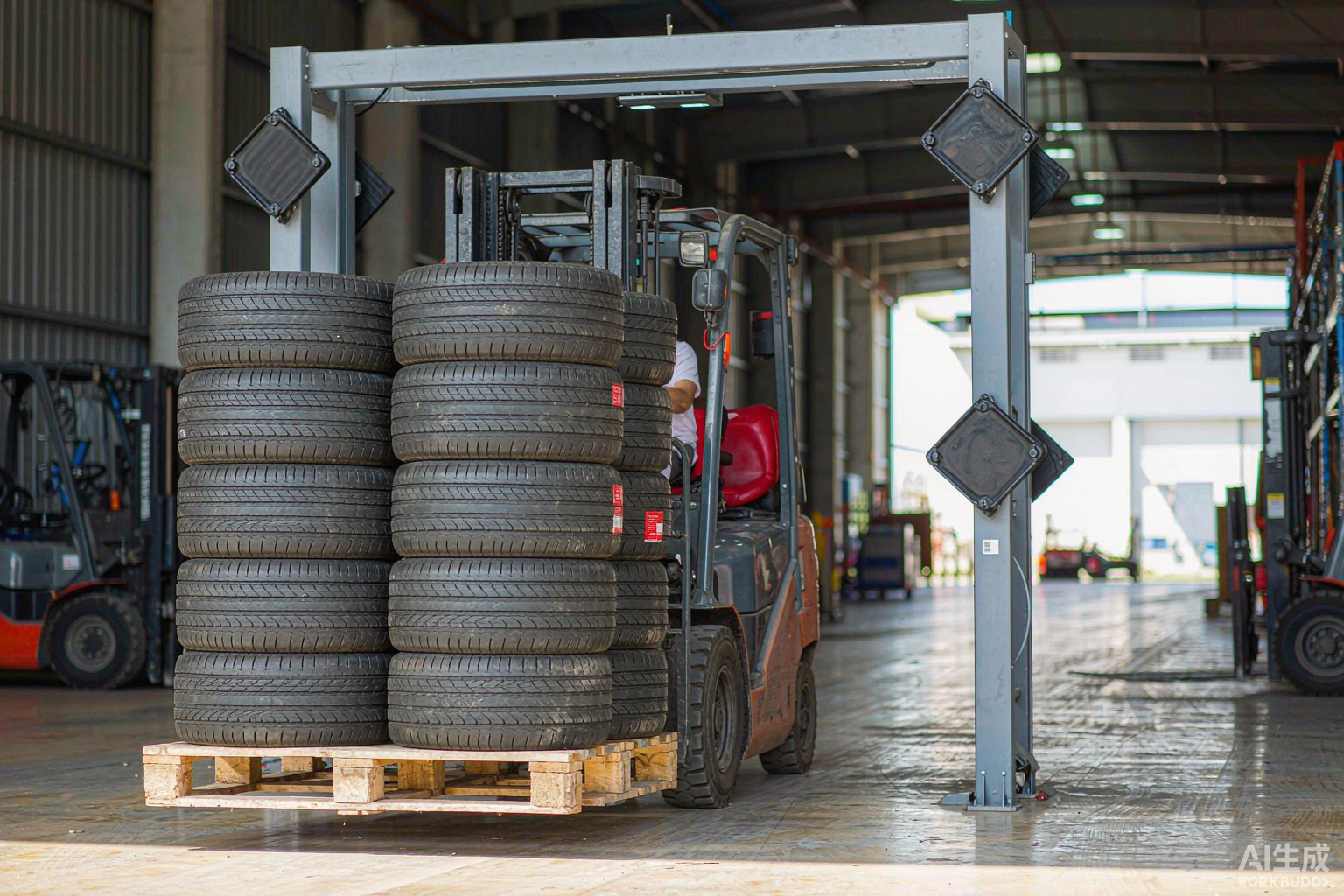
This is where embedded RFID becomes the enabling technology. An RFIDHY embedded tire tag is vulcanized directly into the tire structure during curing, so it endures the 200C-plus heat of vulcanization and the long service life that follows. A handheld or fixed reader can capture the EPC in seconds, even when the tire is stacked, dirty, or moving along a line. That single read unlocks the DPP: the plant MES logs production, the warehouse portal gate confirms receipt, and the fleet manager tracks each tire position and wear.
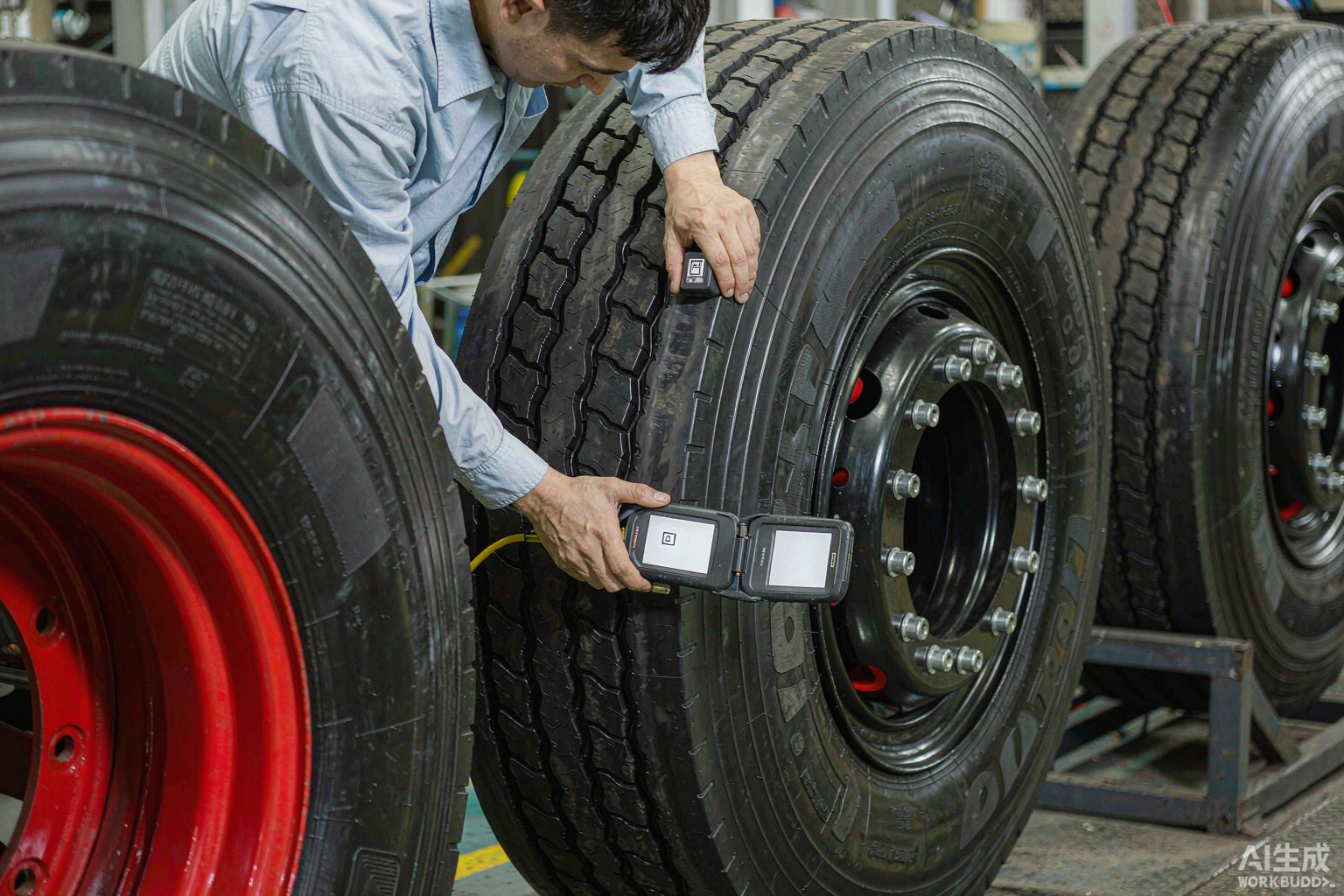
For tire brands, the benefit is concrete. Instead of manual label entry that is slow and error-prone, RFID delivers a near-100 percent read rate at gates and lines. For an overview of the full tracking approach, our tire traceability solution with RFID article covers architecture and return on investment. And if you are comparing mounting options, our guide on sidewall vs bead vs embedded tags explains why embedding wins for DPP durability.
Steps to Prepare Your Tire Line for DPP
1. Define your identifier. Choose an EPC scheme and a resolver strategy, either a direct URL or a registry lookup.
2. Embed at source. Vulcanize the tag during manufacturing so the identity is permanent and tamper-resistant.
3. Connect your systems. Pipe EPC reads from line and gate readers into your MES and your DPP data store.
4. Publish the passport. Expose the required fields through your own portal or the EU DPP Registry when it goes live.
5. Audit the chain. Verify reads at each handoff, plant, warehouse, retreader, fleet, to keep the record trustworthy.
For finished embedded tags and OEM program support, visit the RFIDHY parent brand at rfidtaghy.com/rfid-tire-tag.
Frequently Asked Questions
What is a tire DPP?
A tire DPP (Digital Product Passport) is an electronically accessible record that links a unique identifier on a tire to structured data about its origin, materials, performance, and lifecycle. It lets scanners, buyers, and regulators retrieve trustworthy tire information throughout the product life.
Is a Digital Product Passport mandatory for tires in the EU?
ESPR gives the EU a mandate to require DPPs for specific products, and tires are a likely candidate, but as of 2026 the tire-specific delegated acts and exact deadlines are still being finalized. Treat any published date as provisional and verify against latest official guidance before planning.
How does RFID support a tire digital product passport?
RFID provides the durable, machine-readable identity that a DPP needs. An embedded UHF tag survives vulcanization at 200C and years of service, and a reader can capture its EPC in seconds to open the linked passport record at any point in the supply chain.
What data should a tire DPP contain?
Most proposals group data into product identity (make, size, serial, GTIN), sustainability attributes (materials, recycled content, rolling resistance, label class), and lifecycle events (production, retreads, inspections, end-of-life). The precise mandatory fields will follow from the applicable ESPR delegated act.
When do tire DPP requirements take effect?
A single EU-wide date for tires is not yet fixed as of 2026. The phased ESPR timeline suggests DPP obligations will arrive through product-specific acts over the next few years, so the safest preparation is to deploy identification capability now rather than wait for the final text.