
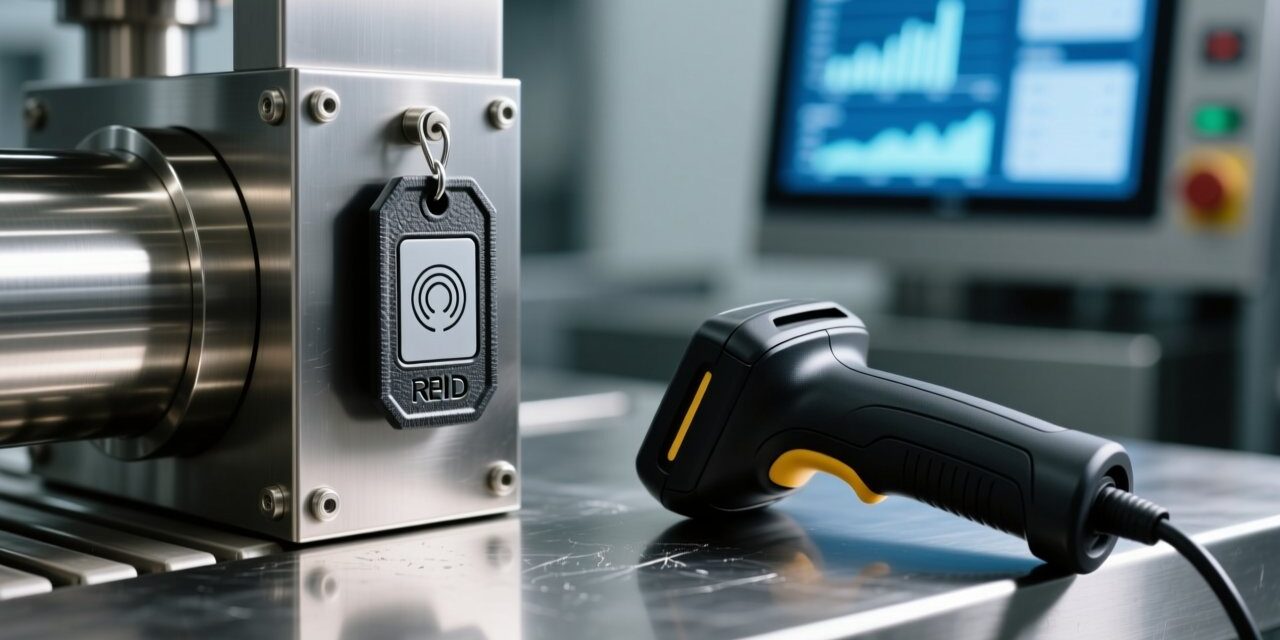
Why IP68 Isn’t Enough for Food Processing CIP Lines
In food manufacturing, Clean-in-Place (CIP) systems subject equipment to extreme conditions: high-pressure (до 100 Бар), elevated temperatures (80–90°C), aggressive chemical agents (caustic soda, nitric acid), and prolonged steam exposure. While many engineers specify IP68 RFID tags assuming they guarantee full protection, this rating only confirms continuous submersion in water up to 3 meters for extended periods—не resistance to high-pressure, high-temperature jetting. That gap is where operational failure begins.
The Critical Difference: IP68 vs IP69K Testing Protocols
IP69K adds two non-negotiable stressors absent in IP68 testing:
- High-pressure water jets (80–100 bar, 15°C–80°C) directed at 0°, 30°, 60°, and 90° angles
- Temperature cycling under pressure, simulating repeated CIP cycles
A study across 12 European meat processing facilities found that 73% of IP68-rated Металлические бирки RFID failed within 4 months of CIP deployment—primarily due to seal degradation under thermal shock. В отличие от, IP69K-certified tags maintained 99.2% read reliability over 18 месяцев.
Real-World Case Study: Conveyor Tracking in a Dairy Plant
A Tier-1 dairy processor implemented UHF RFID-based asset tracking on stainless-steel bottling conveyors exposed to three daily CIP cycles. Initial deployment used IP68 RFID PPS tags. After six weeks, 41% exhibited signal attenuation or complete failure. Switching to IP69K-rated RFID epoxy tags restored consistent 99.8% read rates—even during active washdown.
Материал & Construction Requirements for True IP69K Compliance
IP69K certification demands more than housing—it requires holistic design:
| Функция | IP68 Requirement | IP69K Requirement |
|---|---|---|
| Инкапсуляция | Epoxy or silicone sealing | Double-sealed ceramic or glass-reinforced polymer housing |
| Antenna Bonding | Standard adhesive | Laser-welded or ultrasonically bonded antenna substrate |
| Thermal Stability | -20°C to +70°C operating range | -40°C to +125°C continuous operation |
Selecting the Right Tag for Your CIP Environment
When evaluating waterproof RFID tag options for food processing, verify third-party test reports—not just manufacturer claims. Look for:
- Independent validation per DIN 40050-9 / ISO 20653 Стандарты
- Chemical resistance data for NaOH (1–4%), HNO₃ (0.5–2%), and steam at 110°C
- Mounting compatibility with stainless steel, aluminum, or polymer surfaces
For stainless-steel line components, consider Металлические бирки RFID with integrated ferrite shielding; for plastic housings, opt for RFID PPS tags rated explicitly for IP69K.
Frequently Asked Questions
- What does IP69K actually test for?
- IP69K certifies resistance to high-pressure, high-temperature water jets (80–100 bar, 15–80°C) applied at multiple angles—critical for CIP systems but not covered by IP68.
- Can an IP68 RFID tag survive CIP if it’s ‘well sealed’?
- Нет. Thermal shock from rapid temperature shifts (Например, hot caustic → cold rinse) causes micro-fractures in IP68 seals—even with premium encapsulation.
- Do IP69K RFID tags work with standard UHF readers?
- Да. IP69K is an ingress protection rating—not a protocol change. All RFID reader module и UHF desktop reader configurations support them seamlessly.
- Are there IP69K NFC tags available for food-grade packaging?
- Yes—see our NFC inlay series with IP69K-rated polyester laminates, suitable for smart packaging traceability.
Ensure CIP-Ready Reliability in Your Next Deployment
Don’t risk downtime with mis-specified food processing RFID решения. Download our free IP69K Selection Guide for Hygienic Environments, including material compatibility charts, mounting best practices, and certified product specifications.RFID compliance certification