RFID temperature sensor tag monitoring cold chain for fresh produce logistics

RFID Cold Chain Monitoring: Ensuring Food Safety from Farm to Retail with Temperature Sensors

Temperature excursions remain the leading cause of food loss in modern supply chains. This article explores how RFID cold chain temperature sensors provide end-to-end visibility from farm to retail. Learn how battery‑assisted passive UHF tags log time‑temperature history, integrate with existing warehouse management systems, and enable real‑time alerts for quality assurance. We examine key technical specifications, practical deployment strategies for perishable goods, and answer common questions to help food logistics professionals select and implement a reliable cold chain RFID solution.

Dual-frequency RFID tag embedded in luxury handbag for anti-counterfeiting authentication

Luxury Anti-Counterfeiting RFID: Why European Brands Choose Dual-Frequency Tags

Discover why European luxury brands are rapidly adopting dual-frequency RFID tags combining NFC and UHF to secure high-value goods. This article explores the $4.5 trillion counterfeit crisis, technical advantages of hybrid RFID, real-world deployment strategies, and how solutions like on-metal NFC labels and embedded UHF inlays deliver seamless consumer engagement and supply chain integrity. Learn how dual-frequency technology provides item-level authentication, batch tracking, and digital product passports required by EU regulations.

High-temperature RFID tag on surgical instrument being scanned in sterilization facility

Surgical Instrument RFID Tracking: Selecting High-Temperature Tags for Sterilization Cycles

Effective surgical instrument RFID tracking requires tags that survive repeated autoclave sterilization without data loss or adhesion failure. This article explores the technical requirements for sterilization-resistant RFID tags, including temperature ratings, material options like PPS and ceramic, and chip selection for UHF or HF/NFC systems. Learn key selection criteria, practical deployment strategies for instrument-level tracking, and how to integrate RFID into existing CSSD workflows. Whether you manage a small clinic or a multi-site hospital, discover how high-temperature RFID tags enhance patient safety, reduce manual counting errors, and enable real-time instrument lifecycle data. Read on for data-driven insights and best practices from RFIDHY’s industrial RFID experts.

Professional RFID tag selection guide with UHF tags and industrial scanner on blue background

How to Choose an RFID Tag Supplier: A Buyer’s Guide for North American Procurement

Discover a data-driven buyer’s guide for North American procurement teams selecting an RFID tag supplier. We cover key technical specifications, bulk ordering considerations, and practical tips to evaluate quality, соответствие, and supply chain reliability. This guide helps you avoid costly mistakes and select a partner that meets your operational needs, whether for inventory management, Отслеживание активов, or industrial automation. Learn about UHF and HF RFID tags, on-metal and high-temperature options, and the importance of sample testing and ISO certification.

AI-powered RFID retail inventory management with smart shelf and scanner

ИСКУССТВЕННЫЙ ИНТЕЛЛЕКТ + RFID: The Next Frontier in Retail Inventory Management (2026)

Discover how AI and RFID are converging in 2026 to revolutionize retail inventory management. This data-driven guide explores machine learning forecasting, technical specifications for RFID infrastructure, practical deployment strategies, and selection tips. Learn how AI-enhanced demand sensing combined with real-time RFID visibility can reduce stockouts by up to 30% and cut inventory carrying costs. The article covers key hardware links, integration approaches, and answers common questions about AI+RFID implementation. Ideal for supply chain and IT leaders planning next-gen retail operations.

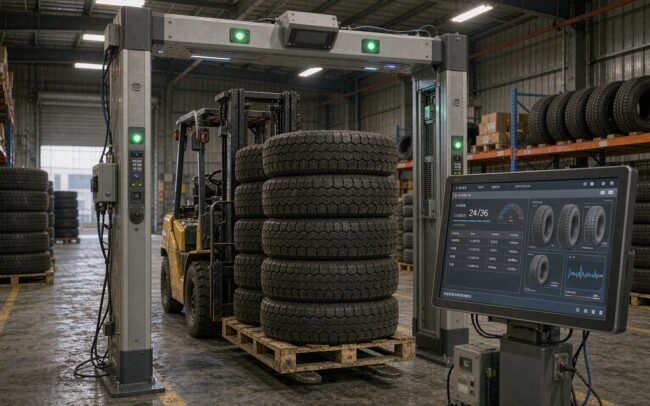
UHF RFID pallet tracking warehouse logistics North America

UHF RFID in North American Logistics: Pallet-to-Parcel Tracking Strategy

North American logistics operators are rapidly adopting UHF RFID to bridge the visibility gap between bulk pallet movements and last‑mile parcel delivery. This article examines the market forces driving pallet‑to‑parcel RFID adoption, key technical specifications such as frequency band selection and tag performance on various materials, and practical deployment steps. It provides warehouse managers and integrators with an actionable framework for selecting the right UHF RFID components, integrating them with existing warehouse management systems, and scaling from pilot to full facility coverage.