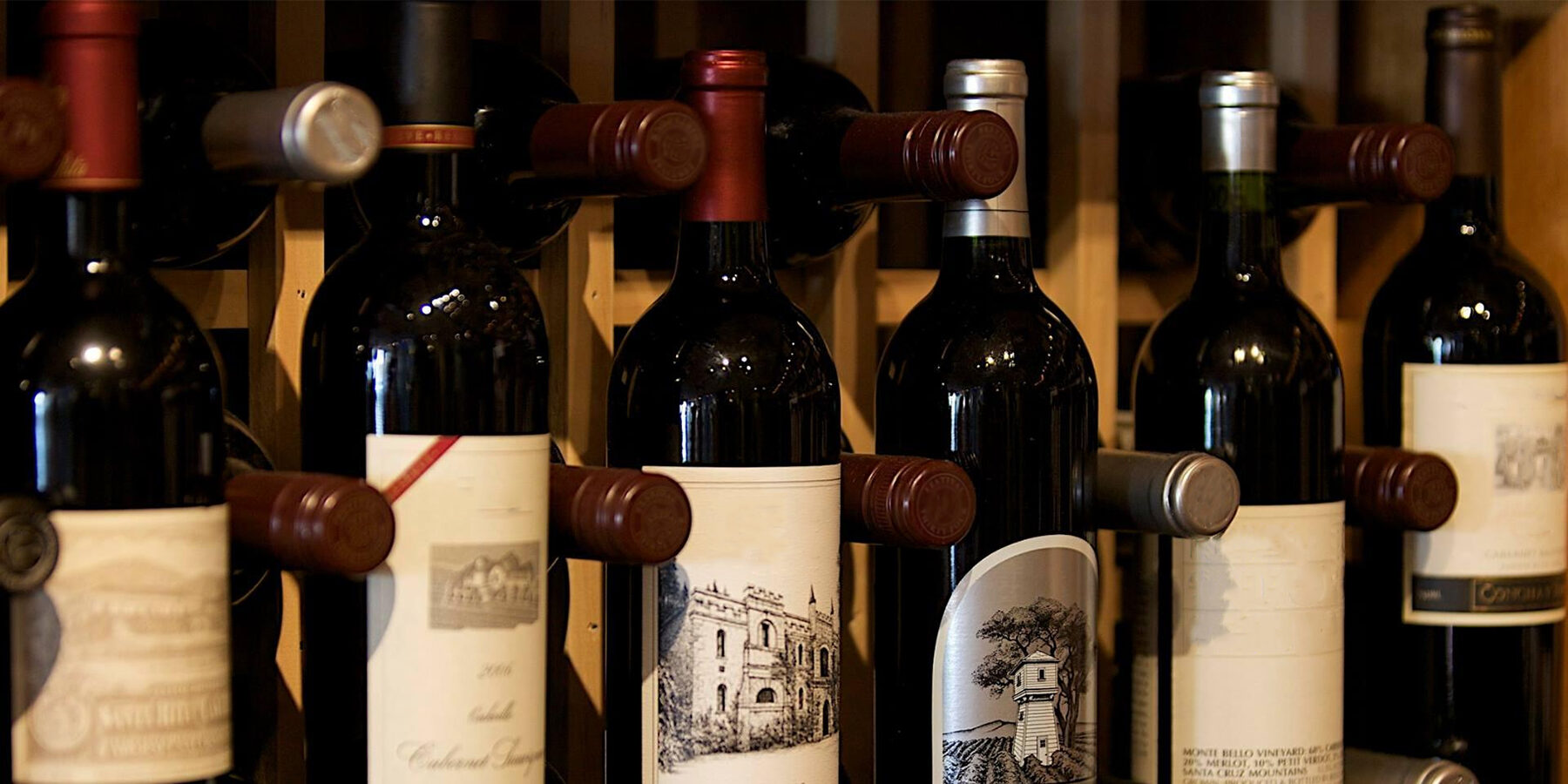
In the premium alcoholic beverage market, a bottle of aged Maotai, limited-edition whisky, or premium cognac is not merely a beverage but a scarce commodity that embodies cultural significance, collectible value, and a symbol of status. However, issues such as counterfeiting, supply chain disruptions, and limited consumer experiences have long plagued both brands and consumers. With the penetration of digital technology, RFID technology (radio-frequency identification technology) has emerged as a key solution to address the pain points of the premium spirits industry. Leveraging its unique ‘one item, one code’ characteristic, RFID technology safeguards quality from the source, enhances efficiency during distribution, and creates surprises at the consumer end, injecting new vitality into the premium spirits industry.
Anti-counterfeiting and traceability: Building a ‘safety barrier’ for premium alcoholic beverages
Due to their high value, premium alcoholic beverages have always been a primary target for counterfeiters. A counterfeit vintage red wine bottle could enter the market undetected, not only causing economic losses for consumers but also severely damaging the brand’s reputation built over decades. The emergence of RFID technology has created an impenetrable ‘digital anti-counterfeiting barrier’ for premium alcoholic beverages.
Each RFID tag has a unique electronic code, akin to a ‘digital ID’ for the wine bottle. Brands can embed the tags into the bottle cap, anti-counterfeiting label on the bottle body, or the inner side of the wine box. The tags store encrypted production information—including the grape harvest year (for red wine), distillation time (for spirits), bottling batch, quality inspector ID number, and other core data—and once this information is written, it cannot be altered. When purchasing, consumers need no complex operations; simply touch the bottle with the brand’s official app or a dedicated reader at a physical store to verify authenticity in real time: genuine products will clearly display complete traceability information, including short videos of the production process; counterfeit products will prompt ‘invalid information,’ cutting off the circulation of counterfeits at the consumer end.
Take a well-known French cognac brand as an example. After fully adopting RFID technology for its limited-edition XO series, the brand combined tags with blockchain technology to achieve end-to-end traceability from ‘vineyard to glass.’ When consumers scan the tag, they can not only view the geographical location of the vineyard and information about the master distiller but also check the specific ageing period of the liquor in oak barrels. After one year of implementation, the brand saw a 62% decrease in counterfeit product complaints and a 28% increase in consumer repurchase rates, effectively safeguarding the quality integrity and collectible value of premium spirits.
Supply Chain Management: Streamlining the Distribution Network for Premium Wines
The supply chain for premium wines involves multiple stages, including cultivation, production, storage, transportation, and sales. Any information gaps at any stage can lead to inventory混乱, product damage, or delayed distribution. Traditional supply chain management relies on manual record-keeping and barcode scanning, which are not only inefficient but also prone to data errors — for example, if wine is exposed to high temperatures during transportation, it can directly affect the taste, but manual monitoring cannot track the transportation environment in real time. The application of RFID technology has completely streamlined the ‘distribution network’ of the premium wine supply chain.
In the warehousing phase, RFID technology has enabled the ‘intelligent upgrade’ of inventory management. In the past, warehouse staff had to manually scan barcodes to inventory stock, with a warehouse holding 10,000 bottles of premium wine requiring 3–5 days for a single inventory check, and issues like missed or incorrect scans were common. Now, using RFID readers, staff can complete a bulk inventory of 10,000 bottles within an hour by moving the device around the warehouse, with inventory accuracy improving from 82% to over 99%. Additionally, the tags can record the storage temperature and humidity of the wine in real time. If the environment exceeds the suitable range (e.g., red wine should be stored at 12-15°C), the system will immediately issue an alert to prevent quality degradation due to improper storage.
In the transportation phase, RFID technology enables ‘visualised management’ of goods tracking. A premium baijiu brand has integrated RFID tags with GPS定位 technology, installing readers on each transport vehicle. The brand’s headquarters can now monitor the location, transport speed, and cargo compartment temperature of each shipment in real time. Previously, the brand suffered a loss of millions due to a delayed shipment of a limited edition liquor batch missing an offline launch event. After adopting RFID technology, the brand can predict transportation timelines in advance and adjust sales strategies promptly if delays occur, avoiding similar losses.
Consumer Experience: Unlocking New Interactive Scenarios for Premium Alcoholic Beverages
In the premium consumer market, ‘experiential value’ has become a core competitive advantage for brands to attract consumers. In the past, after purchasing premium alcoholic beverages, consumers could only drink them and had limited opportunities for further interaction with the brand. The application of RFID technology has unlocked new interactive scenarios for premium alcoholic beverages, upgrading the consumer experience from ‘purchasing a product’ to ‘enjoying a service.’
In physical stores, RFID technology creates an ‘immersive shopping experience.’ When consumers pick up a bottle with an RFID tag, the smart screens in the store automatically trigger interactive content — such as showcasing the documentary on the wine’s production process, recommending food pairings, or even providing online consultation services from a mixologist. After a Scottish whisky brand deployed this system globally, the average time consumers spent in stores increased from 5 minutes to 15 minutes, with store conversion rates rising by 35%. Additionally, some brands have introduced ‘customised services’: after scanning the tag, consumers can customise bottle engraving and select exclusive packaging via the app. The brand precisely matches these requests based on the tag information, making each bottle a ‘one-of-a-kind, exclusive item.’
In after-sales service, RFID technology enables ‘full lifecycle service.’ Collectors of premium spirits often monitor the ageing process of the spirits. Through RFID tags, collectors can periodically scan the bottles to receive recommendations on the ageing progress of the spirits — for example, after three years of collection, the system may prompt, ‘The optimal drinking period is approaching; we recommend pairing with steak’; If collectors plan to resell the wine, the traceability information within the tag can verify the authenticity of the wine and its collection duration, enhancing transaction credibility. Additionally, brands can use tag data to send consumers exclusive event invitations, such as wine tastings or whisky masterclasses, further strengthening consumer loyalty to the brand.
Conclusion
From a ‘security barrier’ for anti-counterfeiting and traceability, to an ‘efficiency engine’ for supply chain management, to an ‘interactive bridge’ for consumer experience, RFID technology is comprehensively reshaping the operational logic of the premium wine industry. For brands, RFID technology is not only a tool to safeguard quality and reputation but also a ‘digital asset’ to enhance core competitiveness; For consumers, RFID technology makes every purchase more reassuring and every experience more unique, truly realising the ‘value return’ of high-end consumption.
As the cost of RFID technology continues to decrease and its functionality continues to upgrade, in the future, it may deeply integrate with technologies such as AI and the Internet of Things — for example, predicting consumer preferences through tag data to achieve ‘precision marketing’; or dynamically allocating inventory through real-time monitoring of global stock levels. In the wave of digital transformation sweeping the premium wine industry, RFID technology will undoubtedly become the key ‘digital key’ for brands to break through growth barriers and win the market.