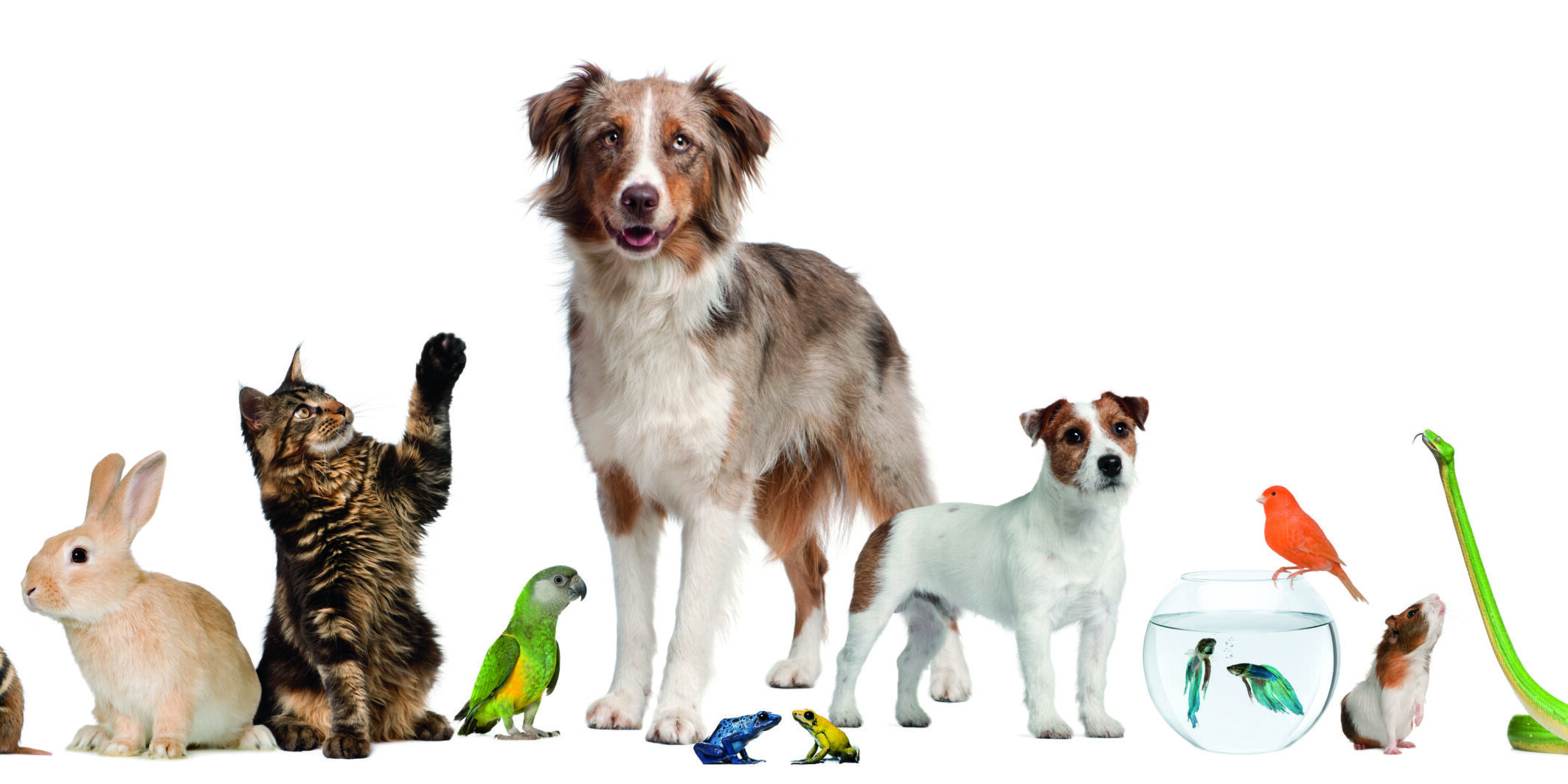
At a ski resort in the Swiss Alps, the collars of search and rescue dogs emit a faint red glow — this is not an ordinary identifier, but a location-based rescue system integrated with RFID chips. When an avalanche occurs, rescue personnel can identify search and rescue dogs buried deep under the snow from 30 meters away using handheld readers. Combined with the health data recorded by the chips, they can quickly assess the dogs’ survival status. This cross-industry application is just a snapshot of how RFID animal identification technology is breaking through traditional boundaries. Today, it is deeply integrating with fields such as agriculture, security, and research, giving rise to a series of innovative applications.
The precision-driven transformation of experimental animal management relies on the “end-to-end traceability” enabled by RFID. In German biological laboratories, each mouse used in drug trials is implanted with a micro RFID chip, with data from every stage—from birth, grouping, administration of medication to final disposal—recorded in real time. By analyzing the chip-linked data on food intake, activity levels, and physiological indicators, researchers can more accurately assess drug efficacy. In a certain anti-cancer drug trial, RFID records showed that individual responses to the drug varied by up to 40%, prompting the research team to adjust the dosage regimen, significantly enhancing the reliability of the trial data. This rigorous traceability system not only complies with the requirements of the EU’s “Directive 2010/63/EU on the Protection of Animals Used for Scientific Purposes,” but also improves trial efficiency by 30% and reduces unnecessary animal use.
Fair competition in the horse racing industry has achieved a qualitative leap thanks to RFID technology. In the past, horse identity verification relied on manual inspection of hoof brands, which was prone to misjudgment and fraud risks. Now, each competing horse has a unique RFID chip implanted under its skin. Before the race, when passing through a dedicated channel, the reader automatically verifies the identity information and compares it with the pedigree and health records in the database, with the entire process taking only 2 seconds. At the Royal Ascot Horse Racing event in the UK, this technology has completely eliminated the scandal of “swapping horses,” while also recording data such as heart rate and stride frequency during training, providing scientific basis for coaches to develop training plans. Data from 2024 shows that events using RFID identification saw a 85% reduction in disputed rulings and a 98% increase in audience trust.
Intelligent management in zoos is gaining new momentum. The RFID animal management system introduced at the Singapore Zoo allows visitors to scan QR codes to view detailed information about animals while observing them: the RFID profile of a Malayan sun bear shows that it was born in 2015, transferred from a Malaysian zoo in 2018, prefers honey and termites as food, and gained 2 kilograms in weight during its latest physical examination. This interactive experience has extended visitor stay times by 40% and increased satisfaction by 35%. For managers, the system analyzes animal activity patterns to optimize exhibit design—data shows that primates’ activity levels increased by 60% in areas with climbing facilities, prompting the zoo to renovate five exhibits to improve animal welfare.
In the digital revolution of aquaculture, RFID technology has addressed the challenge of “individual identification.” At a salmon farm in Norway, each fish has an RFID chip implanted at the base of its dorsal fin, with a diameter of 0.5 millimeters. Through an underwater reader network, the system can monitor the fish’s growth rate, feeding behavior, and health status in real time. The system found that when water temperatures were between 12-14°C, salmon’s daily weight gain was 15% higher than in other temperature ranges. Based on this, the farm adjusted its temperature control system, shortening the farming cycle by 20 days. More critically, for disease prevention and control, when a fish exhibits abnormal behavior, the system can quickly locate its activity area and precisely administer medication, avoiding pollution and waste caused by treating the entire pond. Medication usage was reduced by 30%.
The combination of RFID and blockchain provides the ultimate solution for animal product traceability. In Australia’s beef industry, each cow’s RFID data is recorded on the blockchain from birth: birthplace, caretaker, vaccination records, slaughter time, processing plant, etc., forming an immutable distributed ledger. Consumers can scan the RFID tag on beef packaging to view the complete traceability chain, including photos of the cow’s living environment before slaughter. This transparency mechanism has enabled beef from this region to command a premium in international markets, with export prices 25% higher than ordinary beef, and export revenue exceeding US$1 billion in 2024.
The miniaturization of technology has opened new doors for insect management. In Dutch greenhouse farms, scientists have fitted bees with RFID microtags (weighing just 0.003 grams) and use readers installed at the hive entrance to record each bee’s departure time, foraging path, and return frequency. Data shows that healthy bees leave the hive 8-10 times daily, while bees affected by pesticides reduce their exit frequency by 50%. This research provides quantitative evidence for assessing pesticide impacts on pollinating insects, prompting the Dutch government to implement stricter pesticide usage standards, resulting in an 18% increase in fruit set rates for greenhouse crops.
The cross-industry integration of RFID animal identification technology is essentially the inevitable result of digital technology penetrating traditional fields. When combined with artificial intelligence, it can predict animal behavior patterns; when combined with the Internet of Things, it can build a comprehensive sensing network; and when combined with blockchain, it can establish an unshakable trust mechanism. These integrations not only expand the application boundaries of technology but also create new industrial value—from precise management of laboratory animals to fair competition in horse racing, from interactive experiences in zoos to efficient production in aquaculture, RFID animal identification technology is quietly transforming every aspect of our interaction with animals.
In the future, with advancements in flexible electronics and energy harvesting technologies, RFID animal identification will achieve even more remarkable breakthroughs: biodegradable plant-based chips will automatically decompose after an animal’s natural death, addressing environmental concerns; self-powered tags will collect energy from animal movement to achieve perpetual operation; and multi-modal identification chips will simultaneously record multiple data points such as identity, body temperature, and heart rate. These innovations will continue to drive RFID animal identification technology toward smarter, more environmentally friendly, and more comprehensive directions, providing a stronger technological foundation for harmonious coexistence between humans and animals.
In this era of rapid technological iteration, the cross-industry integration of RFID animal identification tells us: truly valuable technology not only solves existing problems but also creates entirely new possibilities. It is no longer confined to the single function of “identification” but has become a hub connecting the animal world with the digital world, offering endless possibilities for innovation across various fields. Whether in laboratories, racetracks, zoos, or farms and greenhouses, RFID animal identification technology is proving that the power of technology can always find cross-industry sparks in seemingly unrelated fields, ultimately illuminating a broader future.