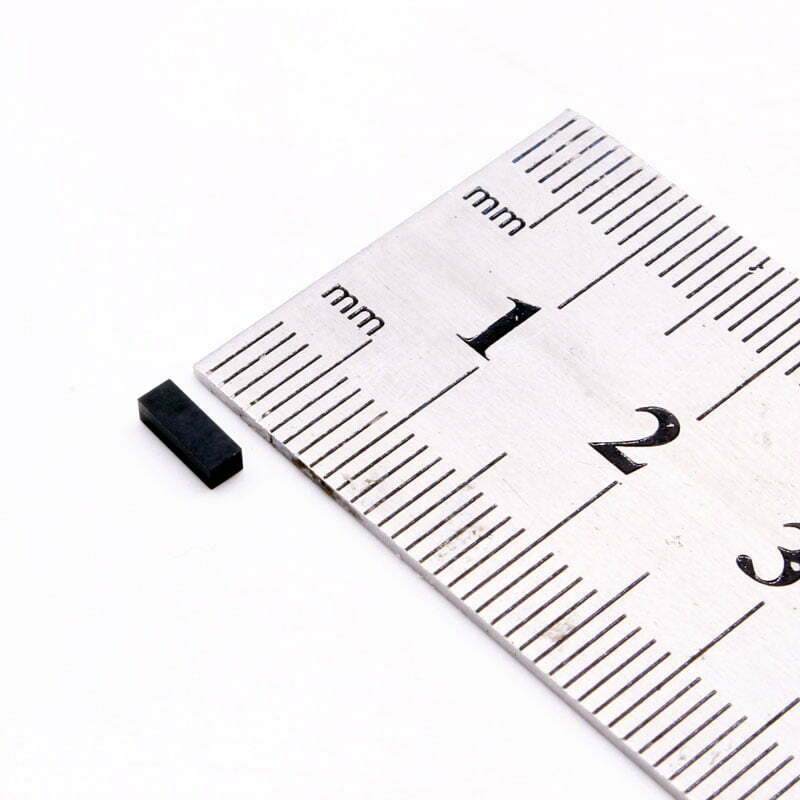
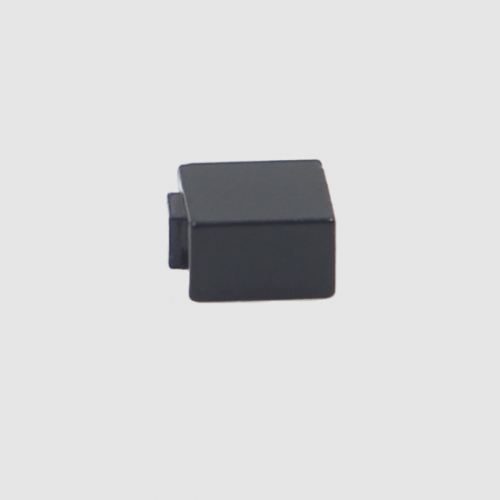
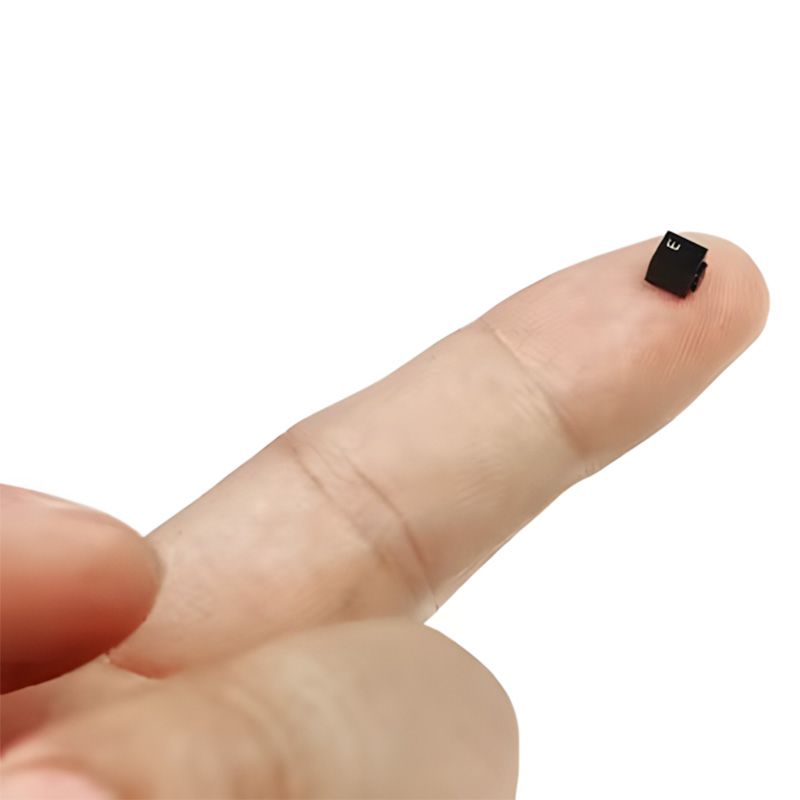
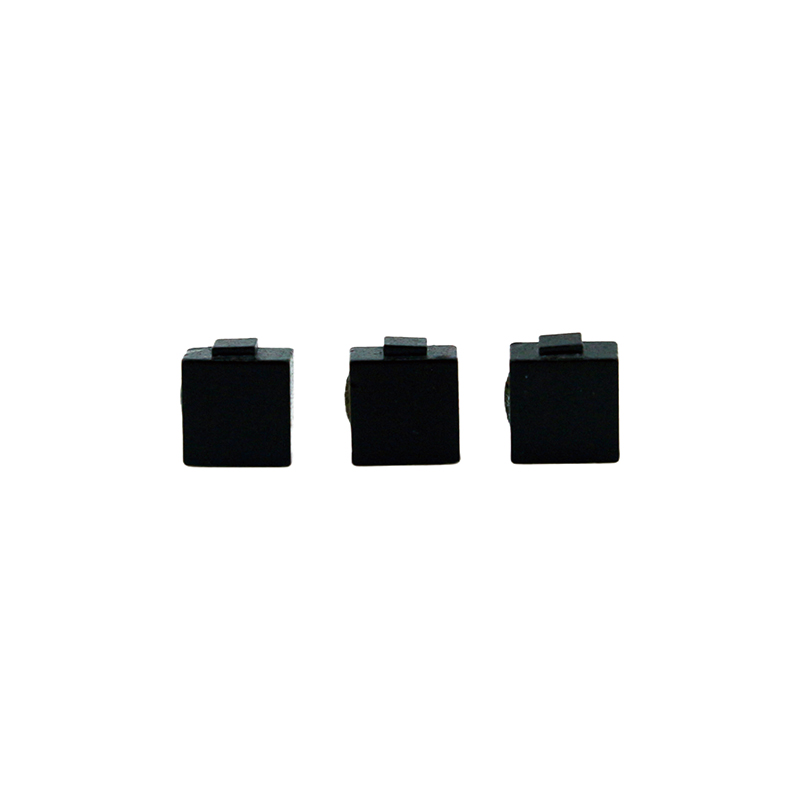
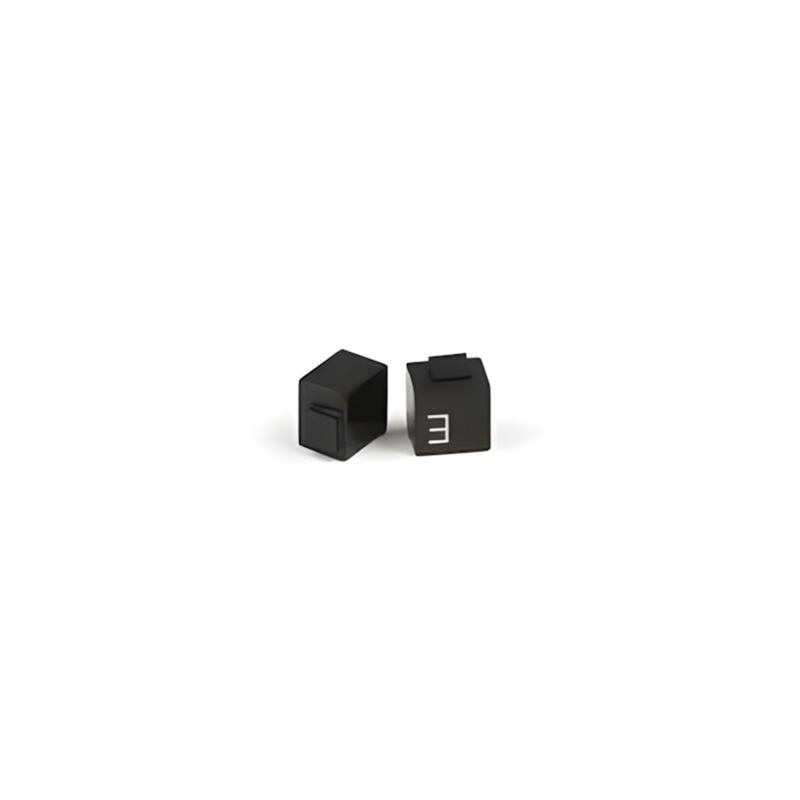
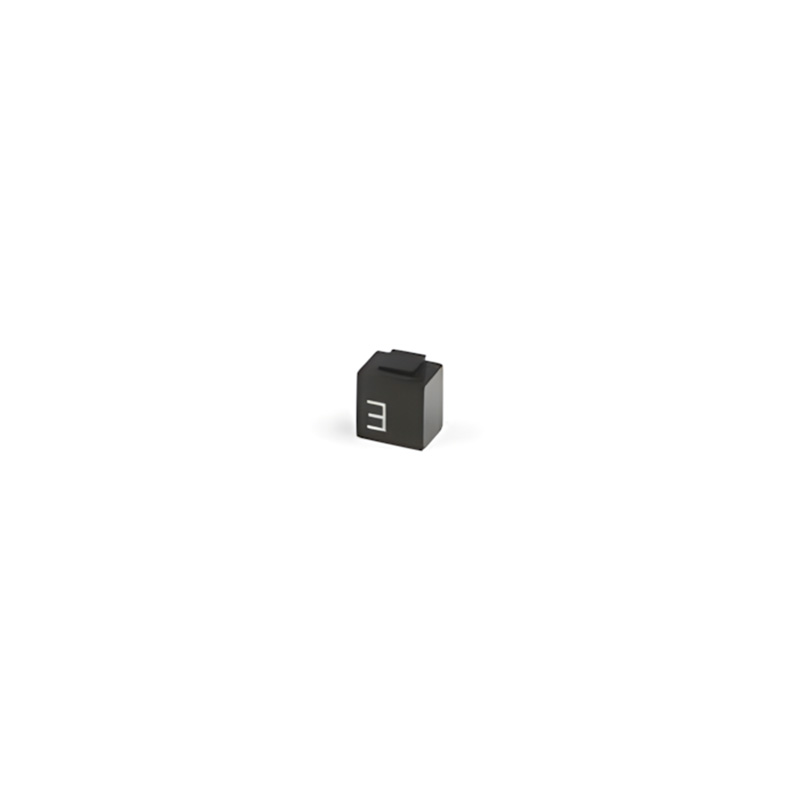
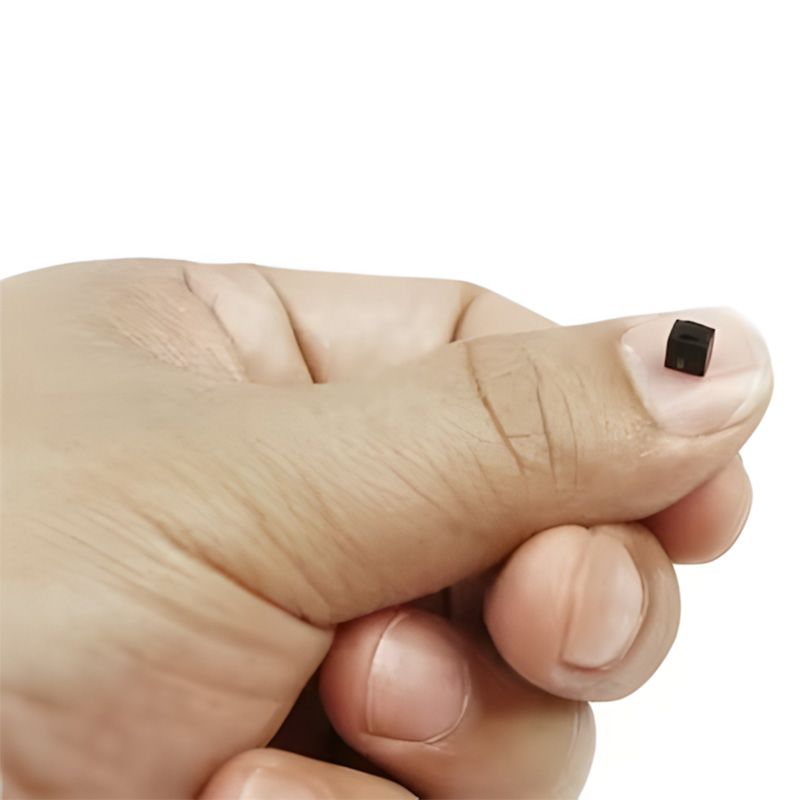
The HY-CER0404 Ceramic RFID Micro-Tag is an ultra-compact, industrial-grade identification solution specifically designed for extreme operating conditions within MRO (Manutenção, Repair, and Operations) environments. Encased in a ceramic housing, it boasts unique advantages—including high-temperature resistance, resistência à corrosão, and immunity to metal interference—while measuring a mere 4 × 4 × 3 mm. This makes it the smallest industrial-grade ceramic tag in the industry. It is ideally suited for meeting the tool and asset identification requirements of confined spaces, such as those found in high-temperature equipment, precision instruments, and harsh operating environments.
Deixe o seu contacto detalhe agora para obter o preço mais recente!
Introdução ao produto
The HY-CER0404 ceramic RFID tag is an ultra-compact, industrial-grade identification solution specifically designed for the tracking and management of precision MRO tools and instruments. Manufactured from ceramic material, it features an exceptionally small form factor—measuring a mere 4×4×3 mm—yet possesses a triple core advantage unmatched by standard tags: superior resistance to high temperatures, corrosion, and metal interference. Leveraging the unique physicochemical properties of ceramics, the HY-CER0404 excels in demanding environments where conventional tags fall short—such as high-temperature tool management, precision instrument tracking, and medical device identification—making it the ideal choice for sophisticated tool asset management within the MRO industry.
Download Technical Datasheet-HY-HY-CER0404 ceramic RFID tag


Why Choose the HY-CER0404 Ceramic RFID Tag?
✅ Ultra-Small Size — 4×4×3mm; weighs only 0.3g, ideal for miniature tools
✅ Ceramic Material — Naturally resistant to high temperatures, corrosion, and metal interference
✅ Massive Storage — Up to 496 bits for EPC and 688 bits for TID
✅ Wide Temperature Range — Operating temperature: -40°C to +85°C; storage temperature: up to +150°C
✅ H9 Chip — High-performance chip ensuring stable readability on metal surfaces
✅ 10-Year Data Retention — Maintenance-free; designed to last the entire lifespan of the tool
Especificações
Physical Characteristics
| Parâmetro | Especificação de |
| Dimensões | 4 × 4 × 3 mm |
| Peso | 0.3 g |
| Material | Cerâmica (Pottery and Porcelain) |
| Embalagens | Bagged |
| Características | Resistente à alta temperatura, corrosion-resistant, interferência anti-metal |
| Base Dimensions | 4.65 mm |
| Frequência de operação | 902–928 MHz |
| Communication Protocol | Classe EPC 1 Gen 2, ISO 18000 - 6C |
| Chip de | H9 |
| Distância de leitura (Fixed Reader) | 0.8 m (em superfícies metálicas) |
| Distância de leitura (Handheld Reader) | 0.4 m (em superfícies metálicas) |
| EPC Memory | 96–496 bits |
| TID Memory | 688 bits de |
| Retenção de dados | 10 anos |
| Escrever ciclos | 100,000 vezes |
| Temperatura de funcionamento | -40°C ~ +85°C |
| Temperatura de armazenamento | -40°C ~ +150°C |
| High-Temperature Resistance | Ceramic material is naturally high-temperature resistant |
| Corrosion Resistance | Resistant to acids, alkalis, e produtos químicos |
| Anti-Metal Interference | Optimized specifically for metal surfaces |
Three Inherent Advantages of Ceramic Materials
① High-Temperature Resistance
Ceramic materials possess an extremely high melting point; they maintain structural stability in high-temperature operating environments—remaining free from deformation, softening, or the release of harmful substances. With a storage temperature tolerance reaching +150°C, they facilitate seamless tracking of tools throughout their entire lifecycle, from standard-temperature storage to high-temperature operational settings.
② Corrosion Resistance
The chemical inertness of ceramics enables them to withstand various corrosive agents—including strong acids, strong bases, and organic solvents. They perform reliably over extended periods in corrosive environments, such as those found in the chemical and petrochemical industries, without requiring any additional anti-corrosion treatment.
③ Resistance to Metal Interference
The dielectric properties of ceramics integrate perfectly with antenna designs, allowing tags to be directly affixed to metal tool surfaces while maintaining full readability. This effectively resolves the common issue where standard tags suffer from drastically reduced reading distances—or even complete failure—when placed in contact with metal objects.
MRO Tool Management Application Scenarios
Precision Instrument & Measuring Tool Tracking
Applicable to:
- Vernier calipers, micrometers, gauges
- Torque wrenches, torque testers
- Hardness testers, surface roughness testers
- Spectrometer probes, Sensores
Management Pain Points:
- Precision measuring tools are small in size, numerous in quantity, and difficult to identify.
- Traditional labels interfere with the measurement accuracy of the tools.
- Verification records are difficult to accurately match with the physical tools.
- Unauthorized borrowing of tools makes it impossible to assign accountability.
HY-CER0404 Solution:
Featuring an ultra-compact size of 4×4×3mm and a lightweight design of just 0.3g, this tag can be affixed to the non-measuring surfaces of tools without compromising their operational accuracy. Constructed from non-metallic ceramic material, it does not interfere with the tools’ magnetic fields. It supports the storage of information such as verification dates, Datas de validade, and certifying bodies, thereby enabling the digitized, full-lifecycle management of metrology tools.
Benefícios:
- 100% accurate correspondence between tool identity data and the physical tool itself.
- Automated reminders for verification expiration dates; automatic interception of expired tools.
- Accountability for tool borrowing and returns is traceable to specific individuals.
- Em conformidade com a ISO 9001 requirements for metrology management.
Micro-Precision Tool Identification
Applicable to:
- Micro-drill bits (diameter < 5mm)
- Precision taps and dies
- Small milling cutters and boring tools
- Precision screwdrivers and hex keys
- Micro-sockets and adapters
Management Pain Points:
- Tools are extremely small in size; existing identification labels cannot be accommodated.
- Manual identification is time-consuming and prone to frequent errors/mismatches.
- Lost micro-tools are difficult to detect and trace back to their source.
HY-CER0404 Solution:
With its ultra-compact dimensions of 4×4×3mm, this tag stands as one of the few solutions currently available on the market capable of providing identification for micro-tools. It can be securely attached to the tool shank or non-working surface using specialized fixtures, small mounting bases, or micro-bonding adhesives, thereby enabling item-level tracking and management for individual micro-tools.
Benefícios:
- Item-Level Identification & Gestão: Enables unique identification and tracking for individual tools.
- Automated Inventory Tracking: Automatically records tool check-ins and check-outs; triggers instant alerts in the event of loss.
- Automated Kit Integrity Verification: Automatically verifies the completeness of tool sets and kits.
Medical Device & Surgical Instrument Management
Applicable Items:
- Scalpel handles and surgical forceps
- Endoscopic instruments
- Orthopedic surgical tools
- Precision medical equipment components
Unique Advantages of Ceramic Tags:
- Excellent Biocompatibility: Ceramic material is non-toxic and harmless, making it ideal for medical environments.
- High-Temperature Sterilization Compatible: Withstands high-pressure steam sterilization (121° C) without sustaining damage.
- Disinfectant Resistant: Resists corrosion from various medical disinfectants and cleaning agents.
- Imaging Compatible: Contains no metal components, ensuring no interference with X-ray, CT, or MRI imaging.
Management Implementation:
- “One Instrument, One Code” De rastreamento: Enables full lifecycle traceability for each individual surgical instrument.
- Automated Sterilization Cycle Counting: Automatically accumulates and tracks the number of sterilization cycles each instrument has undergone.
- Comprehensive Usage History: Maintains a complete historical record of each instrument’s usage.
- Regulatory Compliance: Meets all regulatory requirements for medical device traceability.
Petrochemical & Chemical Industry Tool Management
Applicable Items:
- Explosion-Proof Tools: (por exemplo, copper-alloy explosion-proof wrenches)
- Specialty Alloy Tools
- Chemical-Specific Tools & Measuring Instruments
- Tools Used in Hazardous/Toxic Zones
Application Context:
Tool management in the petrochemical and chemical industries is subject to strict requirements: tools must be explosion-proof; the entry and exit of tools into corrosive zones must be meticulously recorded; and specialized tools require dedicated custodianship.
HY-CER0404 Solution:
The ceramic material is highly resistant to strong acids and bases. It adheres securely to the surfaces of tools used in corrosive environments (such as copper-alloy explosion-proof tools) without being compromised by chemical corrosion. When paired with an explosion-proof handheld reader, this solution enables safe, eficiente, and compliant tool management within corrosive and hazardous zones.
Compliance Value:
Meets the requirements for specialized tool management stipulated in the *Regulations on the Safe Management of Hazardous Chemicals*.
Aerospace MRO Tool Management
Industry Characteristics:
- Extremely stringent requirements for tool management (FOD prevention and control)
- Tools must withstand extreme environmental conditions, such as high temperatures and corrosive substances
- Every individual tool requires a complete traceability record
Advantages of Ceramic Tags:
- Ultra-compact size; does not affect tool weight or balance
- Alta confiabilidade; remains functional despite environmental fluctuations
- Contains no ferromagnetic materials; does not interfere with aircraft electronic systems
Implementation of Management:
- 100% tool identification and establishment of comprehensive tool profiles
- Automated recording of tool check-ins and check-outs at maintenance sites
- Integrated use with FOD detection gates to prevent tool misplacement
- Aerospace material traceability that meets CAAC requirements
Automotive Manufacturing Tooling Management
Applicable Assets:
- Welding fixtures and inspection gauges
- Precision measuring instruments
- Engine assembly tools
- High-temperature testing probes
Management Requirements:
The automotive industry’s IATF 16949 standard sets explicit requirements for the management of tooling and measuring equipment, mandating the establishment of comprehensive tool profiles and usage records.
HY-CER0404 Solution:
Withstands the high-temperature welding environments typical of automotive manufacturing (storage temperature up to 150°C), remaining fully functional even after exposure to high-heat processes such as spot welding and painting. Its ultra-compact form factor is compatible with various precision inspection gauges without compromising measurement accuracy.
Customization Services
Encoding Customization
✅ Pre-writing of Asset Numbers / EPC Codes
✅ Integration with Enterprise Asset Management System Codes
✅ Sequential Batch Serial Numbering
✅ Partitioned Data Encryption and Writing
✅ Pre-writing of Calibration Information
Appearance Customization
✅ Laser Engraving of Numbers on Ceramic Surfaces
✅ Logo Silk-Screen Printing (using specialized high-temperature inks)
✅ Color-Coded Identification (custom glaze colors)
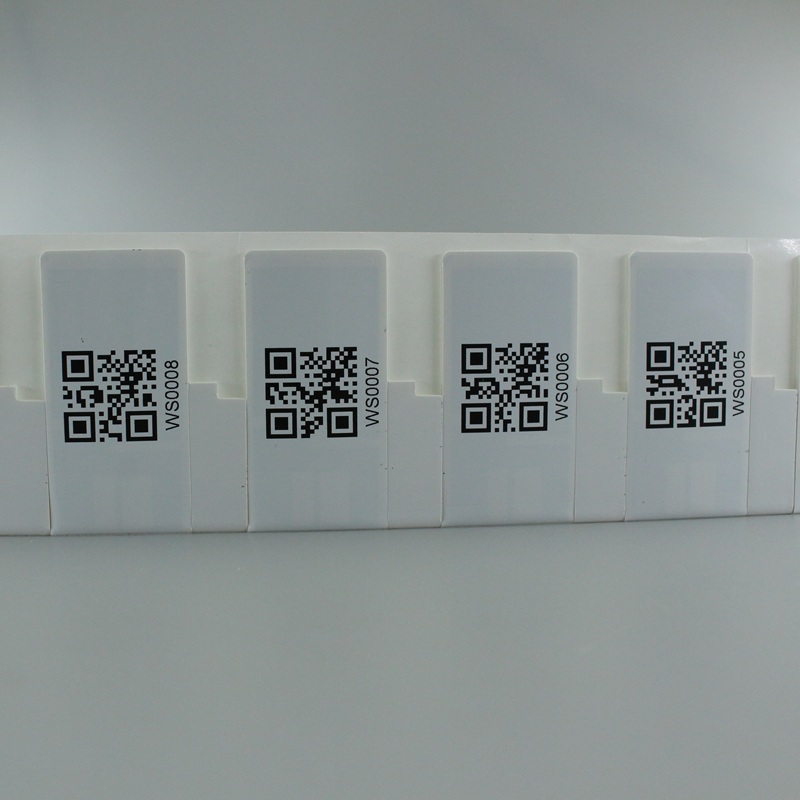
✅ Printing of Micro-Barcodes / QR Codes
Structural Customization
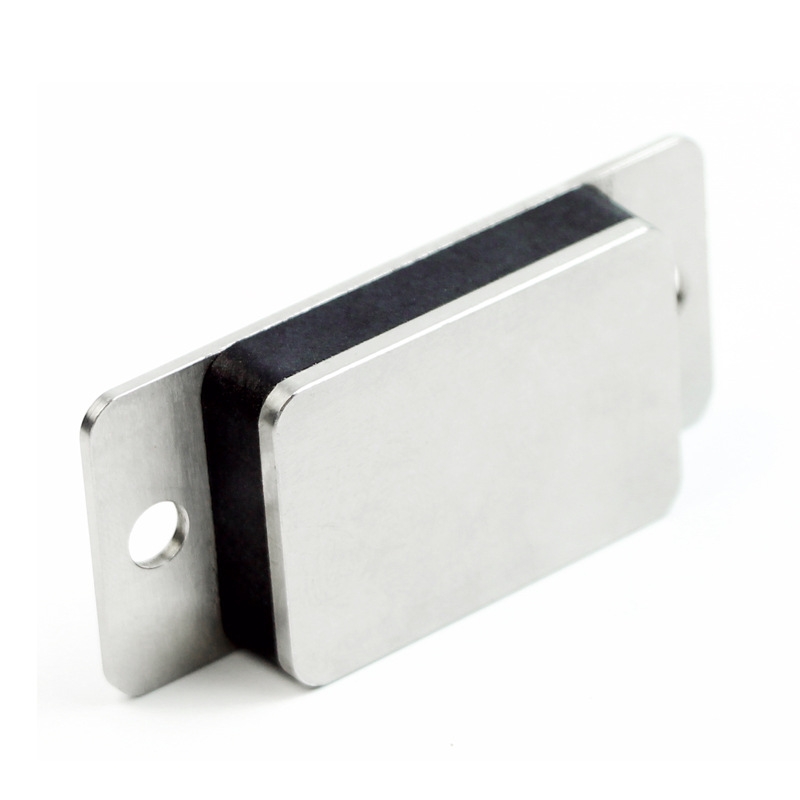
✅ Custom-Designed Mounting Bases / Fixtures
✅ Specialized Mounting Hole Designs
✅ Recessed Grooves for Embedded Installation
✅ Custom Integration Solutions for Toolboxes
Deixe o seu contacto detalhe agora para obter o preço mais recente!
Perguntas Freqüentes
Q1: Given that the ceramic tag is so small (4×4×3mm) and has a read range of only 0.4–0.8 meters, is it actually sufficient for practical use?
A: For precision tool management scenarios, precise near-field reading is actually a distinct advantage:
① When tools are stored densely within tool cabinets or toolboxes, near-field reading prevents “cross-reading”—where a reader accidentally picks up signals from adjacent tags—thereby avoiding misidentification;
② For desktop encoders or readers built into tool cabinets, a read range of 0.8 meters is entirely sufficient to meet operational needs;
③ With a handheld reader, the 0.4-meter range allows for easy scanning using a standard, comfortable operating posture. If longer-range reading is required, we recommend pairing the tag with a high-gain antenna or selecting a different series of tags.
Q2: Are ceramic tags brittle or prone to shattering easily?
A: Industrial ceramics differ significantly from household ceramics; they are manufactured using high-strength alumina or zirconia substrates, offering impact resistance far superior to that of ordinary ceramics. Under normal industrial operating conditions (excluding instances of extreme physical impact), the tags will not shatter. No entanto, we recommend avoiding installation on parts of the tool that are frequently subjected to impact; instead, choose a relatively safer location, such as a side or end surface.
Q3: Can these ceramic tags withstand medical-grade high-pressure steam sterilization (at 121°C)?
A: Sim, they can. The HY-CER0404 model features a maximum storage temperature rating of +150°C—well above the standard temperature for high-pressure steam sterilization (121° C). Consequentemente, the tag’s read/write performance remains completely unaffected after sterilization, making it an ideal choice for the identification and tracking of medical devices.
Q4: How can such a small tag be securely attached to a tool?
A: We recommend using Loctite 401 or a high-temperature epoxy adhesive; the resulting bond strength is actually greater than the inherent structural strength of the ceramic tag itself. Provided the surface is properly cleaned and the adhesive is allowed to cure fully, the tag will not detach during normal industrial use. For applications requiring even greater attachment reliability, we can provide customized mounting bracket solutions.
Q5: The EPC memory capacity is up to 496 bits—significantly larger than the 96 bits typically found in standard tags. How can we leverage this advantage?
A: This expanded storage space allows you to store more tool-specific information directly within the tag itself (such as calibration dates, Registros de manutenção, usage counts, etc.). This reduces reliance on backend databases and enables “offline” information retrieval—a feature that is particularly valuable in environments with limited or unreliable network coverage.
Q6: What is the MOQ?
A: Please contact our customer service team for inquiries. We will provide a customized solution and quotation tailored to your specific requirements and order volume.
Q7: Are samples available for testing?
A: We fully support this. We can provide a small quantity of ceramic label samples for you to test the adhesion and reading performance on your actual tools; you may proceed with a bulk purchase once you are satisfied with the results.
Q8: What is the lead time?
A: Standard products (non-customized): 1–2 weeks; Custom encoding/printing: 2–4 weeks; Custom mounting fixtures: 3–6 weeks.