

RFIDHY is a leading manufacturer of embedded RFID tire tags that help tire producers, retreaders, and fleet operators meet emerging EU compliance obligations without re-engineering their production lines. The European Union’s Ecodesign for Sustainable Products Regulation (ESPR) has moved the Digital Product Passport (DPP) from a policy idea to a concrete legal instrument, and tires are squarely in scope. This article explains what ESPR actually requires, why durable tire-level identification is the hardest part, and how an RFID data layer turns the regulation from a paperwork burden into a manageable engineering task.

What the ESPR Means for Tire Manufacturers
The ESPR, which entered into force in 2024, replaces the older Ecodesign Directive and gives the European Commission a delegated-act mechanism to set performance and information requirements for almost any physical product placed on the EU market. For tires, the most relevant consequence is the mandate to attach a Digital Product Passport: an electronically accessible record that travels with the product and exposes data such as material composition, recycled content, rolling-resistance class, and lifecycle events. As of 2026, the tire-specific delegated acts that define the exact data fields and the binding enforcement date are still being finalized, so any published deadline should be treated as provisional and verified against latest official guidance.
Why Tire-Level Identification Is the Compliance Bottleneck
A DPP is only as good as the identifier that links a physical tire to its digital record. Paper labels, embossed batch codes, and external barcode stickers fail in practice because they are removed during mounting, illegible after retreading, or impossible to read at speed on a busy line. The compliance bottleneck is therefore not the database — it is the durable, machine-readable link on the tire itself.
Embedded UHF Tags Survive the Curing Process
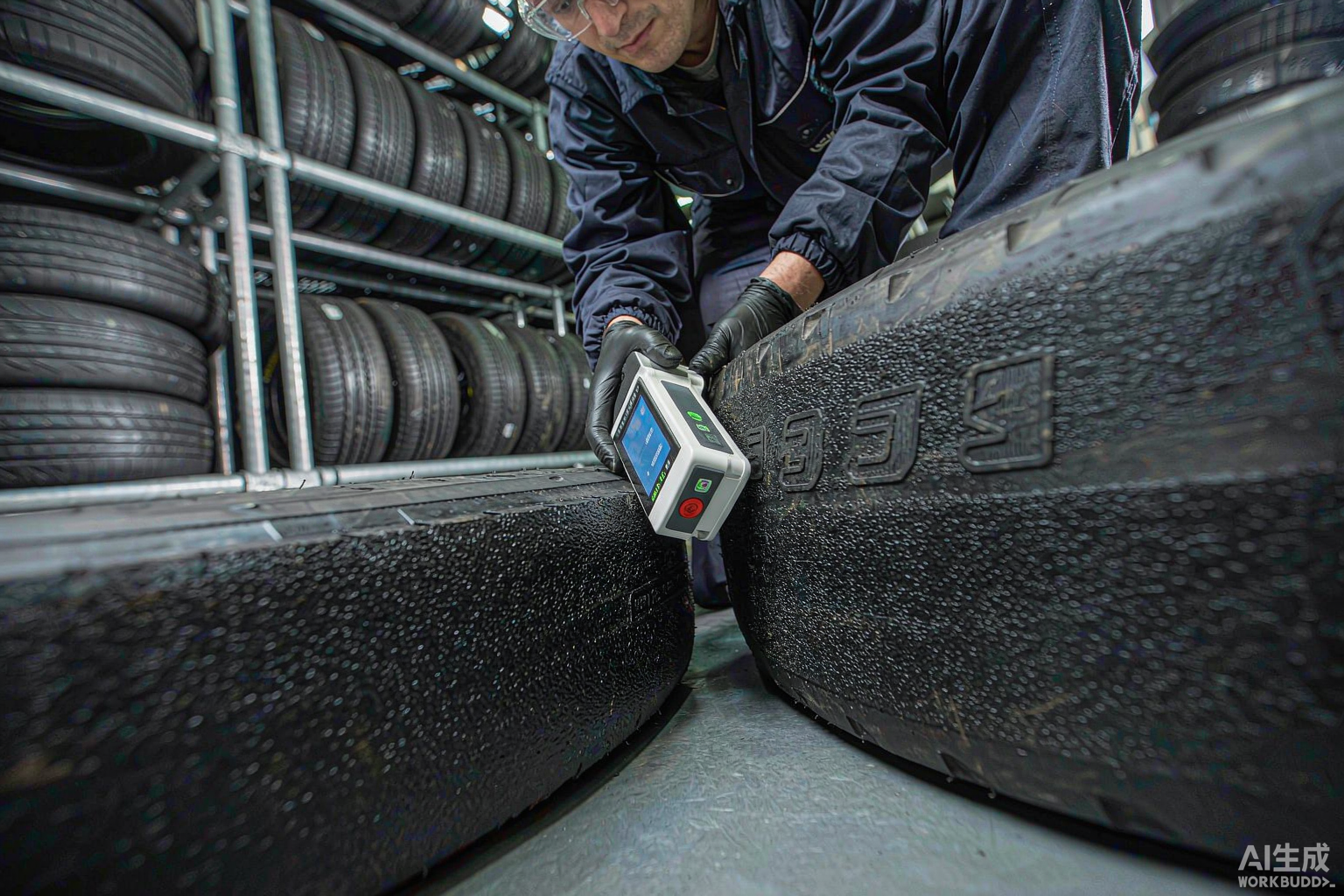
RFIDHY’s embedded UHF tags are placed inside the tire carcass before vulcanization, so they become part of the rubber structure rather than an add-on. They tolerate the curing oven’s 200C peak temperature and continue to function across years of service, retreading, and end-of-life sorting. Each tag carries a unique EPC (Electronic Product Code) that acts as the key to the tire’s passport record.
Mapping ESPR Obligations to an RFID Data Layer
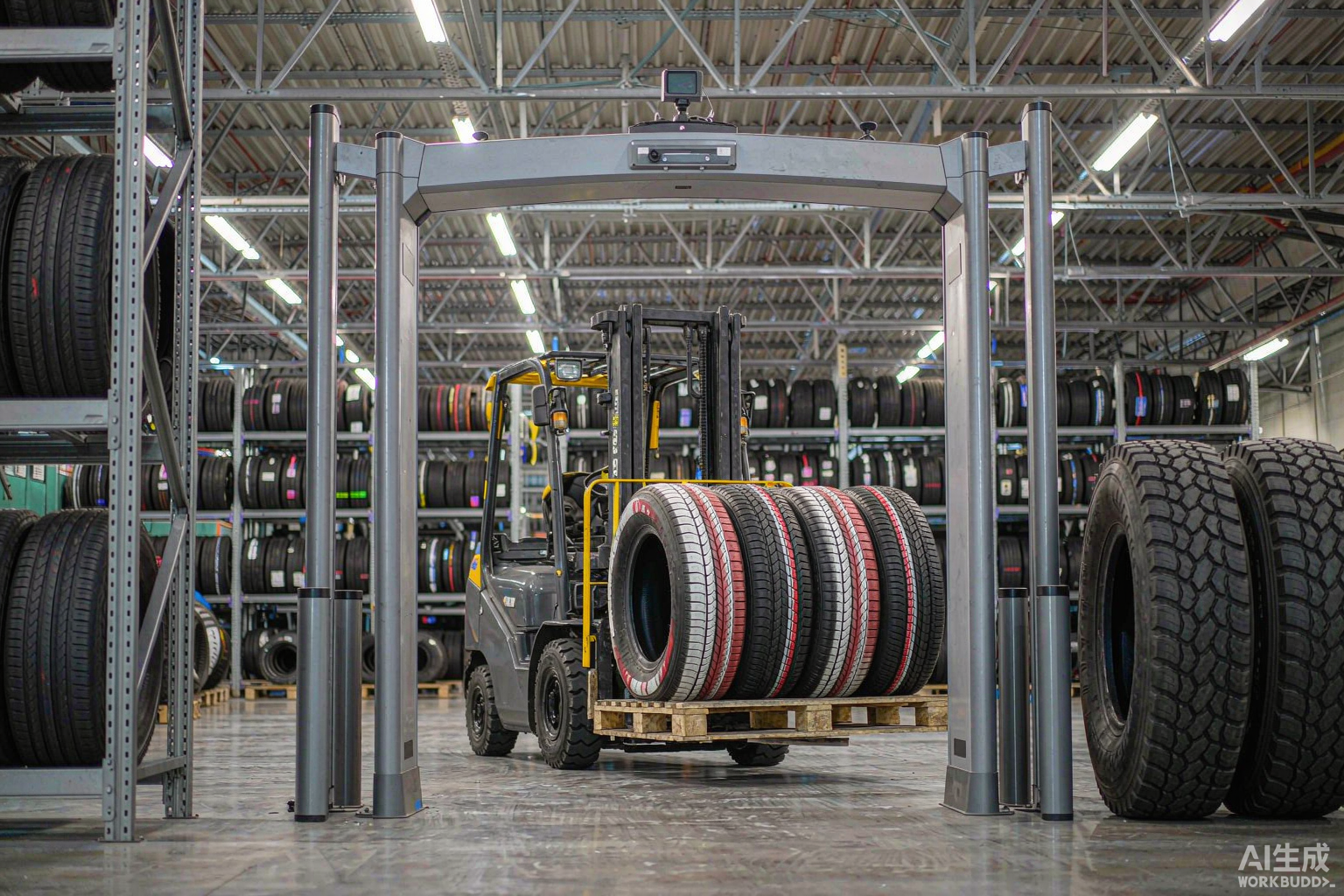
Once every tire carries a unique EPC, the ESPR’s information requirements map cleanly onto a layered architecture. The tag is the physical root of trust; a line-side reader captures the EPC at each production step and writes events into a manufacturing execution system; and a compliance gateway publishes the required attributes to the DPP registry. A single tag therefore supports traceability, recall precision, and circularity reporting from one data source. For the broader data model, our guide to the tire Digital Product Passport explains how identity, sustainability, and lifecycle fields fit together. We also cover how the EU DPP registry for tires is expected to ingest these records.
A Practical Roadmap to ESPR-Ready Tire Compliance
Preparation can start immediately, independent of the final delegated text:
1. Pilot embedded tagging on one product line to validate read rates at 200C curing and through retread cycles.
2. Stand up a traceability backbone that links EPC reads to a manufacturing execution system, as described in our tire traceability solution.
3. Model the DPP data set against likely ESPR fields — materials, recycled content, performance class, and lifecycle events — so the schema is ready before enforcement.
4. Align with the regulatory timeline and keep a verification step in place, because requirements shift; track the EU tire DPP compliance timeline for planning.
Suppliers should also confirm they are working with a DPP-compliant RFID tire tag supplier, since the passport data originates at the tag level.
Common Pitfalls and How to Avoid Them
The first mistake is waiting for the final text. Because identification hardware has the longest lead time, delaying tag integration pushes compliance risk into the busiest pre-deadline quarter. The second is choosing surface-mounted tags that fall off during retreading; an embedded tag rated to 200C avoids this entirely. The third is treating the DPP as a one-time label rather than a live record — pair the tag with a system that updates lifecycle events so the passport stays accurate through the tire’s full service life.
Frequently Asked Questions
What does the ESPR regulation require for tires? The ESPR gives the EU a mandate to require a Digital Product Passport for specific products, and tires are a strong candidate. As of 2026 the tire-specific delegated acts are still being finalized, so the precise data fields and binding date should be verified against latest official guidance rather than assumed.
When do tire ESPR compliance requirements take effect? A single EU-wide date for tires is not yet fixed as of 2026. The phased ESPR timeline suggests obligations will arrive through product-specific acts over the next few years, so the safest move is to deploy identification capability now.
How does RFID help with ESPR tire compliance? RFID provides the durable, machine-readable identity a DPP needs. An embedded UHF tag survives 200C vulcanization and years of service, and a reader captures its EPC in seconds to open the linked passport at any point in the chain.
Can surface-mounted RFID tags meet tire compliance needs? They often cannot. Surface tags are removed during mounting or lost in retreading, breaking the link to the passport. Embedded tags that become part of the carcass keep the identity intact for the tire’s full life.
Where can I learn more about the EU tire DPP timeline? Il nostro EU tire DPP compliance timeline article tracks the phased ESPR schedule and the milestones manufacturers should plan around as the rules mature.