
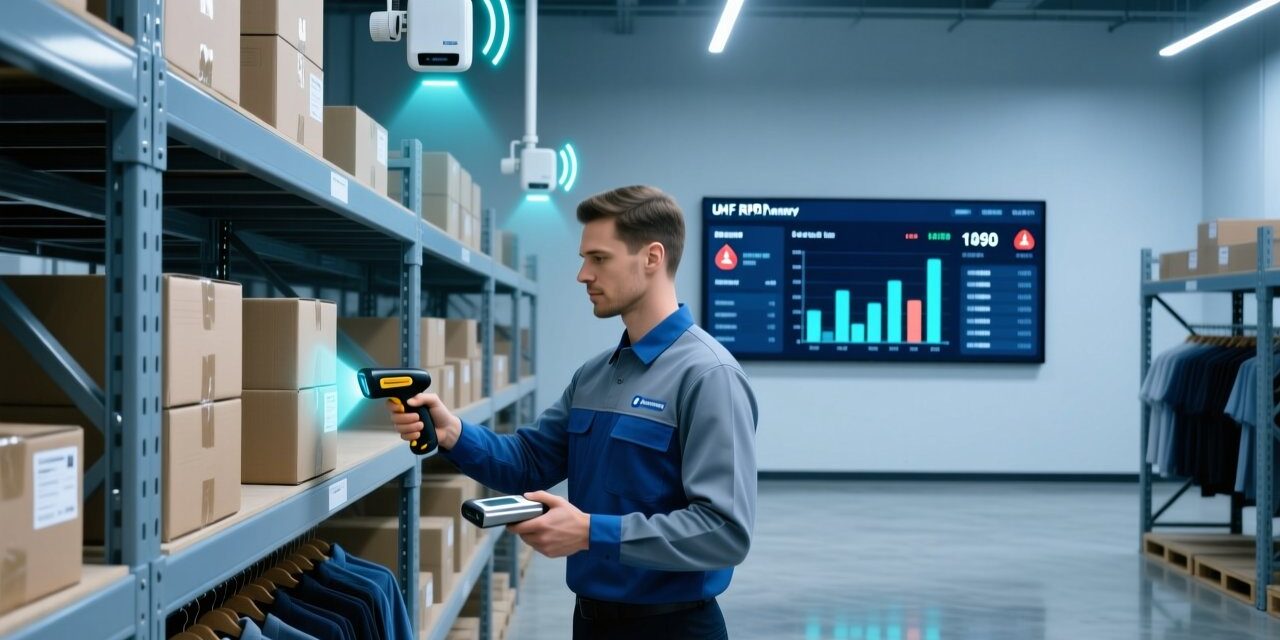
Introducción: The Retail Imperative for RFID ROI
Retailers face unprecedented pressure to improve inventory accuracy, reduce stockouts, and enhance the customer experience. With omnichannel fulfillment becoming the norm, the need for real-time visibility has never been greater. RFID technology offers a proven solution, but the question remains: what’s the real return on investment? A robust RFID ROI calculator for retail must go beyond simple hardware costs to capture the full operational uplift. This guide provides a complete calculation model, integrating technical specifications, deployment considerations, and practical tips for maximizing your investment in RFID inventory management.our asset tracking solutions
Building the RFID ROI Calculator: Cost vs. Benefit Framework
An effective RFID ROI model breaks down into two sides: total cost of ownership (TCO) and quantified benefits. Only by comparing both over a multi-year horizon can retailers make informed decisions. Let’s explore the key variables.
Total Cost of Ownership (TCO) Componentes
Your RFID deployment costs include:
- RFID tags and inlays: Per‑unit cost depends on form factor and chip type. For apparel, pasivo Etiquetas RFID UHF often range from $0.05 Para $0.15 when purchased in volume. Specialty items like on‑metal tags carry a premium.
- Readers and antennas: Fijo fixed RFID reader portals at receiving docks or point‑of‑sale, handheld RFID scanner devices for cycle counting, and overhead antennas define the infrastructure cost (typically $1,500–$3,000 per read point).
- Software and integration: Middleware (Middleware), ERP connectors, and analytics platforms may require licensing and custom development.
- Installation and training: Site surveys, cabling, and staff onboarding are one‑time outlays that significantly impact first‑year costs.
- Ongoing maintenance and tag replenishment: Tag consumption scales with stock turnover, while reader maintenance remains relatively fixed.
Quantifiable Benefits Streams
On the benefit side, a data‑driven model should capture:
- Inventory accuracy improvement: Moving from 65‑75% to 98‑99% accuracy directly reduces carrying costs of safety stock and lost sales from phantom inventory.
- Stockout reduction: Real‑time shelf monitoring can cut stockouts by up to 50%, boosting same‑store sales.
- Labor productivity gains: Automating manual stock counts frees up 15‑30% of store‑associate hours for customer service, according to industry studies.
- Shrinkage control: RFID exit sensors and cycle‑count alerts deter theft and detect loss earlier, often reducing shrink by 20‑30%.
- Omnichannel enablement: Accurate inventory visibility supports buy online, pick up in store (BOPIS) and ship‑from‑store models, reducing split shipments and markdowns.
To illustrate, a typical mid‑size retailer with 50 stores might realize a net‑present‑value positive ROI within 12‑18 months after deployment. The exact timeline depends on store throughput, initial accuracy, and labor cost structures.
Technical Specification and Key Considerations for Retail RFID
Selecting the right components is critical to ROI. A mismatch between tag and application can lead to read failures or unnecessary expense. Below we summarize the primary technical requirements.
Tag Selection by Merchandise Category
Apparel and soft goods typically use flexible UHF RFID sticker incrustaciones de, while electronics or metal‑packaged items require on‑metal tags like the Etiquetas RFID metal portfolio. Understanding dielectric interference is essential when tagging liquids or metallic packaging. RAIN RFID (UHF) is the de facto standard for retail due to its fast bulk‑reading capability, with read ranges of 3‑10 meters depending on antenna power and tag sensitivity.
Reader and Antenna Deployment
For high‑volume retail, a combination of wide‑coverage RFID antennas (por ejemplo, 9 dBi circularly polarized) at dock doors and POS fitted with near‑field readers works best. A phased approach—starting with inbound pallet‑level scanning, then moving to item‑level tracking—minimizes initial cost and disruption. Fixed reader installations benefit from the fixed RFID reader platforms that offer 4‑port configurability for versatile read zones.
Data Integration and Standards
Data captured by handheld RFID scanner devices or portals must feed into the retailer’s ERP or inventory management system in real time. Using EPCglobal Gen2‑compliant tags and GS1’s Electronic Product Code (EPC) standard ensures interoperability and future‑proofing. Your rfid roi calculator retail model must account for IT integration effort, which can be 15‑25% of total project cost.
Practical Deployment and Selection Tips
Transitioning from pilot to enterprise rollout requires careful planning. Here are recommendations distilled from industry best practices:
- Start with a controlled pilot: Select one product category or store area. Use the pilot to validate tag performance, read rates, and integration points before scaling.
- Choose tag partners wisely: Not all UHF RFID tags perform equally. Request samples of Etiquetas RFID and benchmark read range on your actual merchandise. Look for tags with chip platforms like Impinj Monza or NXP UCODE that offer high sensitivity and memory capabilities.
- Design for future use cases: While initial ROI may be driven by inventory accuracy, plan additional capabilities like anti‑theft detection, customer‑engagement triggers, or fitting‑room analytics. Over‑engineering the reader infrastructure can pay off in the long term.
- Train store staff thoroughly: Emphasize that RFID is a tool to enhance their work, not a monitoring surveillance. Show how accurate inventory improves their commission opportunities and reduces customer complaints.
- Monitor and refine continuously: Use your RFID system’s data to analyze exception reports—missed reads, tag disposal patterns—and adjust antenna placement or tag attachment methods. Consider an RFID asset tracking system starter kit to prototype before full‑scale deployment.
Conclusión: Making the Case with a Dynamic RFID ROI Model
A static ROI calculator is insufficient for retail’s dynamic environment. Your model must be adaptable, incorporating tag cost curves, evolving labor rates, and phased deployment scenarios. By approaching the investment through the lens of total value rather than upfront cost, retailers can unlock significant competitive advantage. For a tailored assessment and demo of our rfid roi calculator retail framework, consult the RFIDHY team today.
Preguntas más frecuentes
What is the typical payback period for RFID in retail?
Most apparel and general‑merchandise retailers achieve payback within 12–18 months. High‑shrink sectors like electronics or luxury goods often see returns in under 12 months due to theft reduction and improved inventory accuracy.
Which RFID frequency is best for retail?
UHF (860–960 MHz) is preferred for retail item‑level tagging because of its fast bulk‑reading capability and read ranges up to 10 metros. HF/NFC can be used for customer engagement or small‑count scenarios but is less efficient for rapid inventory cycles.
How do I calculate the cost of RFID tags for my product mix?
Tag cost is a function of volume, form factor, and environmental durability. For standard apparel, expect $0.05–$0.15 per tag in high volumes. Include tagging‑as‑a‑service from your manufacturer to reduce in‑store labor. Your RFID ROI model should project tag consumption based on annual sell‑through rates.
Can RFID reduce theft?
Sí, RFID can significantly reduce shrinkage. Exit‑readers at store doors trigger alarms if an unpurchased item passes through. Además, regular RFID cycle counts help identify loss events quickly, enabling faster corrective action.
What is the biggest mistake retailers make when calculating RFID ROI?
Focusing solely on hardware cost while ignoring the revenue uplift from restored sales and the long‑term operational efficiencies is a common pitfall. A comprehensive rfid roi calculator retail must include these indirect benefits.
Start Your RFID ROI Calculation with RFIDHY
Every retail environment is unique, which is why RFIDHY offers customized RFID solutions backed by a free ROI consultation. Whether you need bulk Etiquetas RFID UHF, a full‑scale fixed RFID reader infraestructura, or a complete RFID asset tracking system, our experts can help you build the business case and design the optimal deployment. En contacto con nosotros today to schedule your no‑obligation demo and discover how RFIDHY elevates retail inventory management.