Why Buried and Fabrication Stages Always Go “Dark After Installation”
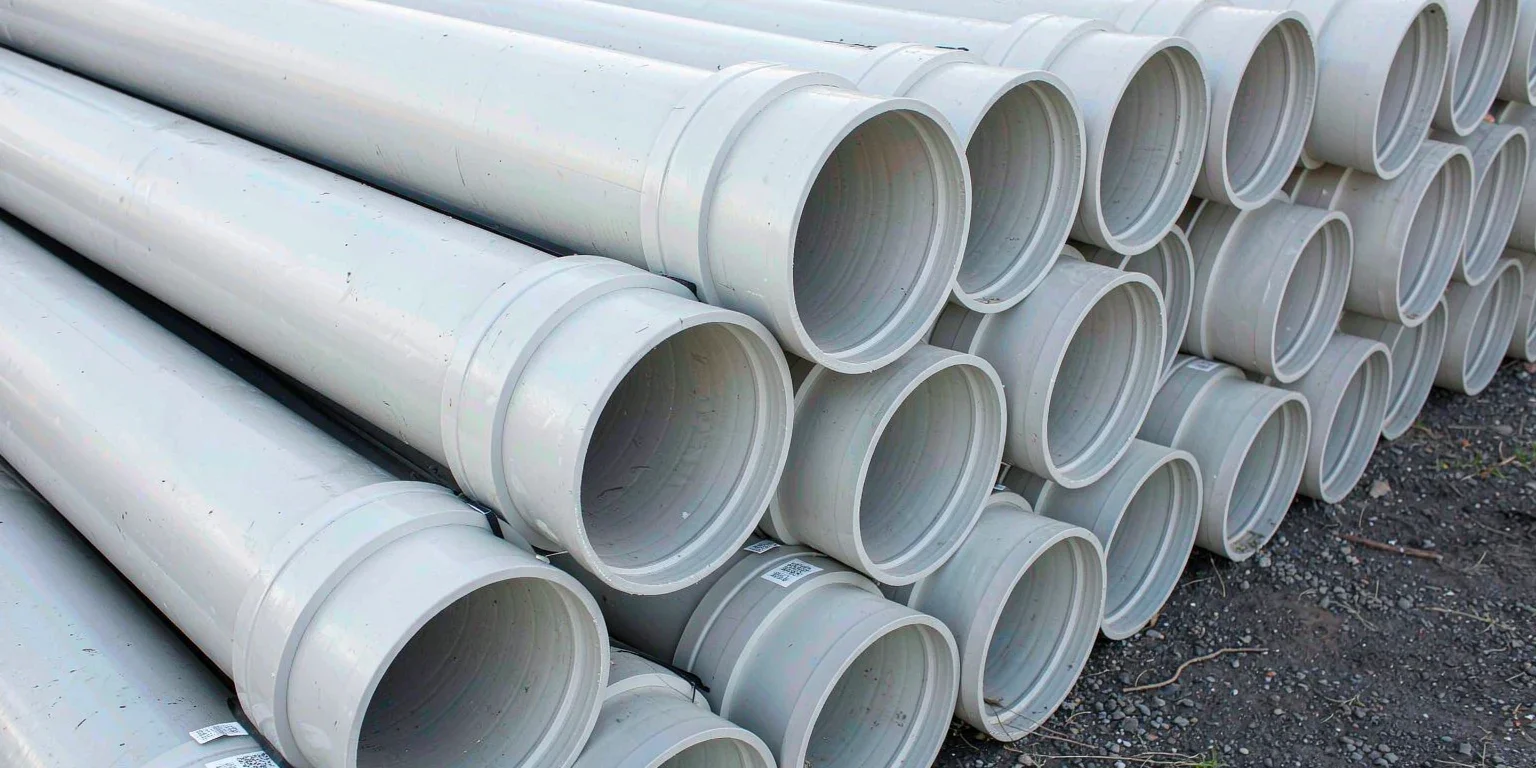
Once industrial assets enter fabrication, transit, or get buried underground, they easily become a management black box. Whether municipal pipes, precast concrete components, or tires, traditional ledgers rely on paper certificates and manual transcription—information that lags behind reality and can be silently altered. In North America alone, tens of thousands of underground utility strikes are reported every year from blind third-party excavation, many of them caused by missing or inaccurate asset records. As cities worldwide accelerate underground pipe rehabilitation and utility-lifecycle safety programs, making assets “installed yet still traceable” has shifted from a nice-to-have to a hard requirement. The physical carrier must carry an unremovable digital identity that survives dirt, agua, and time—exactly the value of RFIDHY’s passive UHF embedded RFID tags.
Punto de dolor 1: Substandard Materials & Cross-Shipment—Visual Checks Are Useless
On-site verification that relies on the naked eye and paper certificates makes it trivial for substandard pipe or cross-segment transfers to slip through. A worker glancing at a printed label cannot confirm whether the material grade, wall thickness, or batch actually matches what was specified. RFIDHY’s spring-embedded UHF chip is bound to each individual pipe section by the system integrator at the factory or at intake; a handheld PDA can batch-read and verify batch ownership and lock flow direction in seconds, blocking counterfeit product at the source. El RFIDHY UHF spring-embedded RFID tag is battery-free, resistant to mud and moisture, and suited to long-term buried deployment—also aligning with the unique traceability coding required by ISO 12176-4 for fittings. Because the chip is physically embedded, it cannot be peeled off or swapped like a sticker, which is what makes the identity trustworthy during audits.
Punto de dolor 2: Fabricated Buried-Work Photos—Impossible to Verify After the Fact
When photos are taken in bulk after construction, the true condition of joints, bedding, and annular gaps is hard to verify. A delayed image proves little about what actually happened at the moment of installation. When every pipe section carries a unique chip identity, supervisors can geo-tag and check in on site, force watermarked image upload tied to that specific tag, and lock records read-only—turning “field facts” into an immutable engineering history captured in real time. Buried work shifts from “by experience” Para “by data,” so completion disputes and accountability become clear and defensible. Embedded RFID makes process logging the norm rather than an afterthought, which is precisely why utility owners increasingly demand it as a condition of acceptance.
Punto de dolor 3: Fuzzy Spatial Location—All Reliant on Worker Memory
“Which two manholes is this pipe between, and at what depth?” used to depend entirely on the memory of the crew that installed it. When that crew moves on, the knowledge leaves with them. Through a topology chain binding “manhole A—pipe section—manhole B,” combined with structured GNSS latitude/longitude and burial-depth entry, pipe identity is precisely anchored to physical space. In soil layers that meet material and burial-depth conditions, embedded RFID provides a detectable digital entry point for buried works, so future inspection or emergency repair can locate the target section without blind excavation. This is not full subsurface mapping; it is a practical, low-cost way to answer “what is here and where” the moment a locator is brought to the surface.
Punto de dolor 4: Last-Minute Ledger Catch-Up—Weeks of Manual Copying
Before completion, document clerks historically spend weeks manually transcribing ledgers and scanning paper vouchers—work that is error-prone and easy to falsify after the fact. With data accruing throughout the process at every verified step, the system auto-aggregates and exports a standardized digital completion package, so asset records match physical reality and can be queried in seconds rather than reconstructed under deadline pressure. This also echoes the international trend from traditional “physical burial” toward “digital asset explicitness,” feeding a material-level foundation into BIM/GIS and utility-lifecycle platforms—making every construction act a traceable engineering record instead of a forgotten trench.
RFIDHY’s Role: Reliable Embedded Tags, and Only That
It must be stressed that the pipe traceability system itself is delivered by integrators and engineering contractors. RFIDHY positions itself as a manufacturer of passive UHF embedded RFID tags/chips and an industrial asset traceability tag solution provider, supplying mature encapsulation such as spring-embedded and industrial adhesive formats, delivering a trusted “one-pipe-one-chip” physical foundation to third-party traceability platforms. RFIDHY builds the reliable tag base; system integrators build the “one-pipe-one-file” network traceability that links chips to pipe sections and manhole locations. The two are a collaborative relationship of “tag foundation” y “Integración de sistemas,” not a single bundled product. To evaluate project selection and volume solutions, visit RFIDHY’s custom quote page to submit your requirements.