Application of RFID Animal Microchip Tags in the Livestock Industr

Einführung: The Era of Digitalised Livestock Farming Has Arrived With the development of smart agriculture, the livestock industry is transitioning from traditional extensive farming to management. In diesem Prozess, RFID animal microchip tags have become one of the key technologies for achieving individual identification and lifecycle tracking of livestock. By implanting RFID chips into livestock,…

The diverse application of RFID ceramic tags

In the booming Internet of Things technology, RFID ceramic tags have become the right hand of many industries to achieve intelligent management by virtue of their excellent performance. Industrielle Fertigung: accurate control of the whole production process In the field of industrial manufacturing, the application of RFID ceramic tags has brought revolutionary changes to production…

RFID Event Management

Transformation von Veranstaltungen mit RFID: Sichern, Effizient, Intelligentere Lösungen

Introduction In today’s dynamic event environment, organizers are turning to RFID event technology to streamline operations, enhance security, and provide a seamless attendee experience. From music festivals to corporate conferences, RFID for events has moved beyond basic ticketing to offer integrated solutions for access control, data analytics, and personalized engagement. By replacing outdated manual processes…

So wählen Sie den richtigen RFID-Tag-Chip aus?

Chip-Kriege: Geschwindigkeit und Sicherheit in Einklang bringen 2024 Als das neueste Distributionszentrum der weltweit größten Einzelhandelsplattform 14% Lesefehler während der Spitze 200 Tag/Sekunden-Operationen, Die Ingenieure führten das Problem auf die Einschränkungen der Antikollision auf Chipebene zurück. Dieser Vorfall zeigt, warum sich die Chipauswahl auf die 28% ROI des RFID-Projekts. Leistung von Labortests: 8 Späne unter extremen…

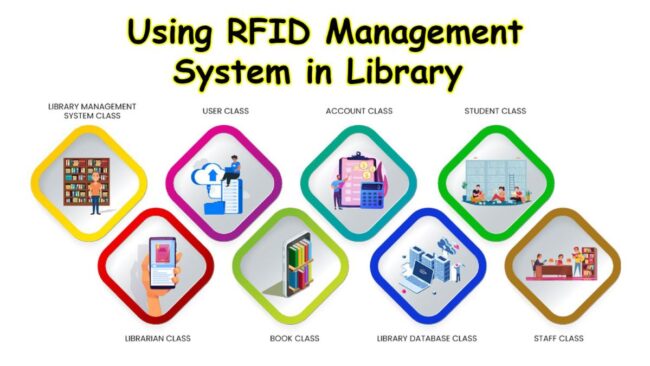
rfid-library

Entdecken Sie die Geheimnisse eines 230% RFID-Upgrade der Bibliothek

Von Barcodes bis UHF-RFID: Drei Epochen der Entwicklung der Bibliothekstechnik 1.1990er Jahre: Einschränkungen von Laser-Barcodes Personalaufwand 12.7 Stunden pro Woche manuelles Scannen von Büchern (ALA 1995 survey) Error rate reached 9.3% during peak hours 2.2010s: HF RFID breakthrough Adoption of self-checkout reduced circulation time by 80% (NISO report) Inventory accuracy increased to 97.6% 3.2024:…