Why Label Selection Directly Impacts Your Anti-Counterfeiting ROI
For brand owners launching or scaling anti-counterfeiting initiatives, the choice between printable, pre-coded, and custom RFID inlay labels isn’t just technical—it’s financial. A seemingly minor $0.12/unit difference compounds significantly: bei 1 million units, that’s $120,000 saved—or reinvested into verification infrastructure, consumer engagement, or extended coverage. Yet many teams default to legacy procurement models without evaluating total cost of ownership (TCO), including encoding labor, error rates, software licensing, and supply chain latency.
Printable RFID Labels: Flexibility with Hidden Overheads
Printable RFID labels allow on-demand encoding and variable data printing (z.b., unique serials, Chargen-IDs, QR+NFC hybrids). Ideal for low-volume pilots or highly dynamic SKUs, they rely on desktop RFID printer Systeme. Jedoch, TCO rises sharply beyond 200K units: consumables (ribbons, Etiketten), calibration downtime, encoding failure rates (3–7% in uncontrolled environments), and IT integration for ERP/MES synchronization add $0.08–$0.15/unit in hidden costs. Printable solutions also limit cryptographic security options—making them less suitable for high-risk luxury or pharmaceutical segments.
Pre-Coded RFID Labels: Speed and Standardization
Pre-coded labels arrive from the factory with UID, EPC, and user memory pre-programmed—often with AES-128 or ECC-based authentication keys embedded in the RFID-Chip. They eliminate on-site encoding, reduce labor by 92%, and support seamless integration with existing packaging lines. At scale, pre-coded UHF inlay stickers deliver consistent RFID inlay pricing, especially when ordered in standard formats (z.b., 40×25 mm wet inlays on 12″ rolls). Unsere 2025 benchmark data shows pre-coded labels average $0.28/unit at 500K volume—$0.12 below comparable printable configurations.
Custom RFID Labels: Sicherheit, Integration, and Long-Term Value
Custom labels embed brand-specific logic—tamper-evident features, multi-layer encryption, serialized NDEF records, or hybrid NFC+UHF functionality—for end-to-end traceability. While upfront engineering and tooling increase lead time, custom RFID inlay designs lock in cost stability across multi-year contracts and reduce counterfeit vulnerability by >99.7% in field deployments. For global brands requiring GS1-compliant EPCIS event logging and blockchain anchoring, custom solutions often yield the highest lifetime ROI—even at a nominal $0.03–$0.05/unit premium over pre-coded.
Key Decision Factors Beyond Unit Price
- Supply Chain Alignment: Pre-coded and custom labels ship ready-for-packaging; printable labels require encoding stations at each facility.
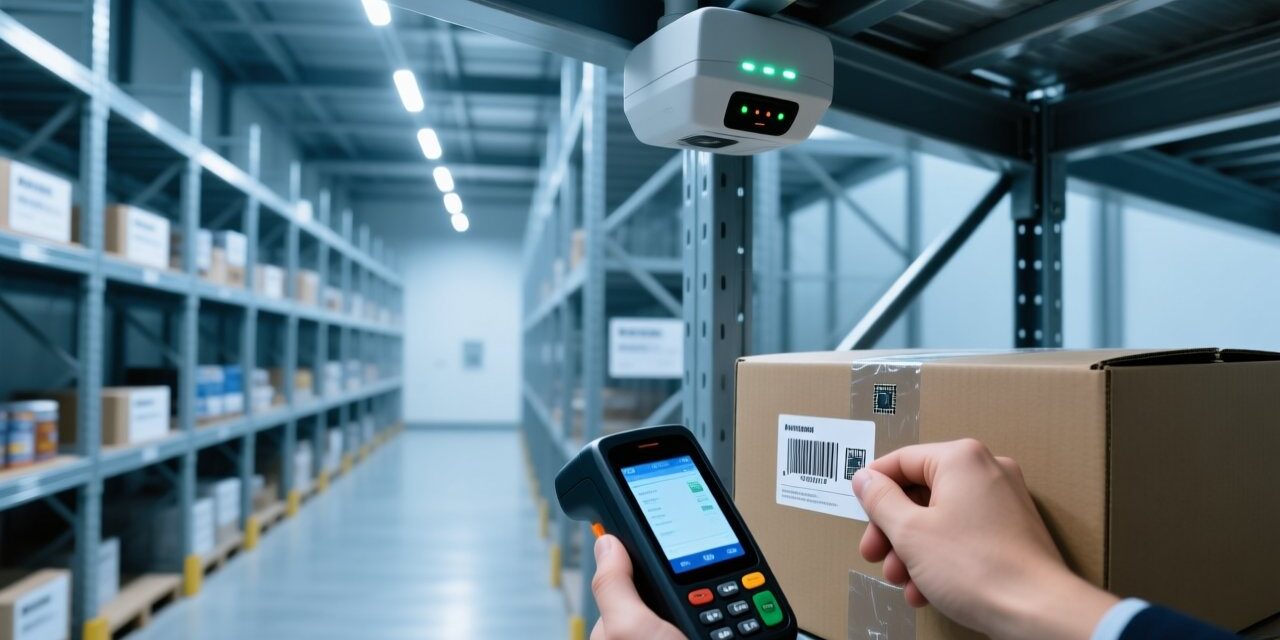
- Verification Infrastructure: Custom labels integrate natively with RFID reader module firmware for instant cryptographic challenge-response—reducing verification time by 68% versus generic UIDs.
- Regulatory Compliance: Pharma and cosmetics brands benefit from ISO 15408-certified secure elements in custom inlays, satisfying EU FMD and China NMPA traceability mandates.
Frequently Asked Questions
- What’s the minimum order quantity (MOQ) for pre-coded RFID labels?
Standard pre-coded RFID inlay stickers start at 10,000 units; custom variants begin at 50,000 units with full design validation. - Can I upgrade from printable to pre-coded mid-deployment?
Yes—our RFID inlay pricing includes transition support, including label reformatting and middleware configuration to maintain EPCIS compliance. - Do custom RFID labels support NFC smartphone scanning?
Yes—dual-frequency inlays (HF+NFC + UHF) are available for consumer-facing authentication via NFC-Aufkleber, enabling tap-to-verify without dedicated hardware.
Optimize Your Anti-Counterfeiting Label Strategy Today
Download our free RFID Label Procurement Playbook—including TCO calculator, vendor evaluation checklist, and sample SLAs for pre-coded and custom RFID inlay orders.our RFID tag range