
How to Embed RFID in a Tire: A Practical Guide
RFIDHY shows how to embed an RFID inlay inside a tire during building and curing so the tag becomes a permanent, scannable identity for the tire’s whole life.

RFIDHY shows how to embed an RFID inlay inside a tire during building and curing so the tag becomes a permanent, scannable identity for the tire’s whole life.
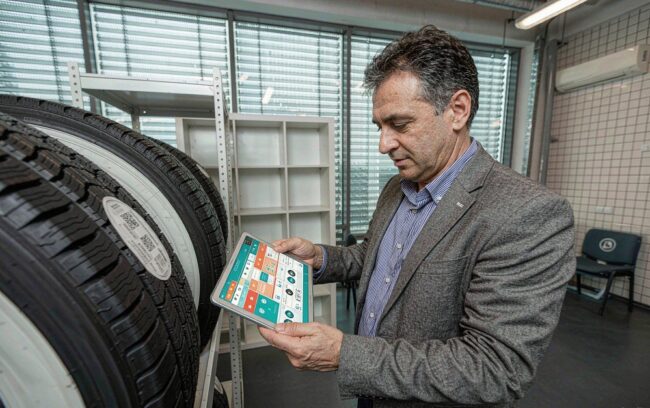
A practical 2026 buyer’s guide to RFID tire tag pricing, what drives unit cost, typical UHF spring tag ranges, and how to request an accurate quote.
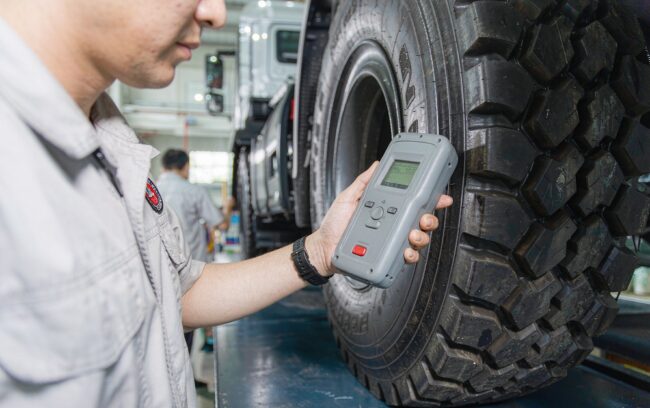
RFIDHY explains what makes an RFID tire tag supplier DPP-compliant and how embedded UHF tags support EU Digital Product Passport and ESPR readiness.
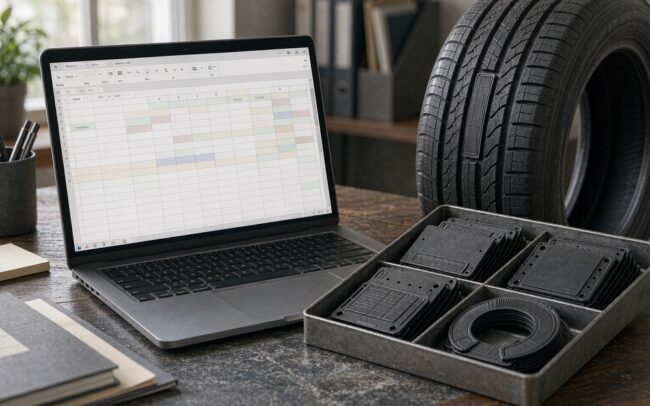
Truck and passenger tires need different RFID tag specs. This guide compares embedding, 140–200°C cure survival, 10–20 bar rating, and UHF read range so suppliers can segment lines.
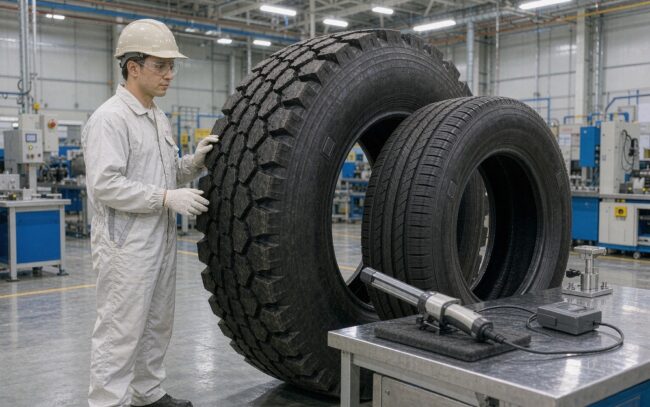
RFIDHY explains embedded UHF RFID tire tags for the Germany and EU market, covering ESPR/DPP readiness, UHF specs, and sourcing for European distributors.

RFIDHY supplies factory-direct OEM/ODM RFID tire tags with UHF EPC Gen2 performance, 200C heat resistance, and DPP-ready data models.
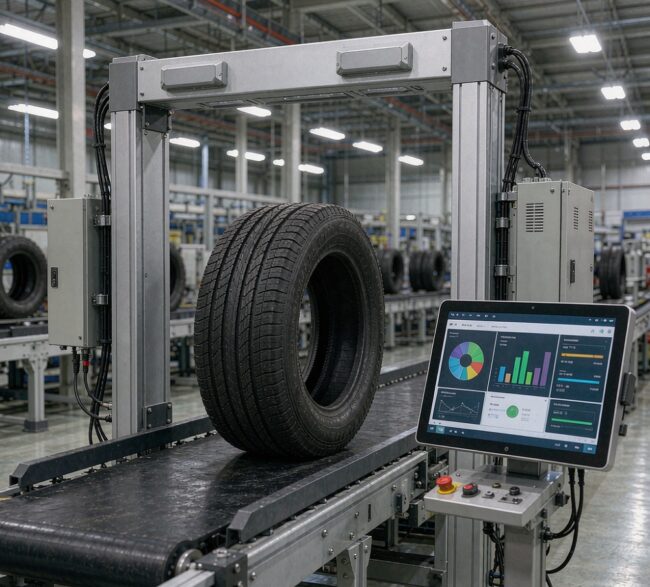
A practical framework for procurement teams evaluating a China RFID tire tag supplier, covering tag construction, UHF specs, line integration, and DPP readiness.
| الكوكي | مدة | الوصف |
|---|---|---|
| cookielawinfo-مربع الاختيار-التحليلات | 11 أشهر | يتم تعيين ملف تعريف الارتباط هذا بواسطة المكون الإضافي للموافقة على ملفات تعريف الارتباط GDPR. يستخدم ملف تعريف الارتباط لتخزين موافقة المستخدم على ملفات تعريف الارتباط في الفئة "تحليلات". |
| cookielawinfo-مربع الاختيار-وظيفية | 11 أشهر | يتم تعيين ملف تعريف الارتباط بواسطة موافقة ملف تعريف الارتباط GDPR لتسجيل موافقة المستخدم على ملفات تعريف الارتباط في الفئة "وظيفي". |
| cookielawinfo-مربع الاختيار-ضروري | 11 أشهر | يتم تعيين ملف تعريف الارتباط هذا بواسطة المكون الإضافي للموافقة على ملفات تعريف الارتباط GDPR. تستخدم ملفات تعريف الارتباط لتخزين موافقة المستخدم على ملفات تعريف الارتباط في الفئة "ضروري". |
| cookielawinfo-مربع الاختيار-آخرون | 11 أشهر | يتم تعيين ملف تعريف الارتباط هذا بواسطة المكون الإضافي للموافقة على ملفات تعريف الارتباط GDPR. يستخدم ملف تعريف الارتباط لتخزين موافقة المستخدم على ملفات تعريف الارتباط في الفئة "آخر. |
| cookielawinfo-مربع الاختيار-الأداء | 11 أشهر | يتم تعيين ملف تعريف الارتباط هذا بواسطة المكون الإضافي للموافقة على ملفات تعريف الارتباط GDPR. يستخدم ملف تعريف الارتباط لتخزين موافقة المستخدم على ملفات تعريف الارتباط في الفئة "الأداء". |
| viewed_cookie_policy | 11 أشهر | يتم تعيين ملف تعريف الارتباط بواسطة المكون الإضافي للموافقة على ملفات تعريف الارتباط GDPR ويستخدم لتخزين ما إذا كان المستخدم قد وافق على استخدام ملفات تعريف الارتباط أم لا. لا يخزن أي بيانات شخصية. |