Introduction: The Era of Digitalised Livestock Farming Has Arrived
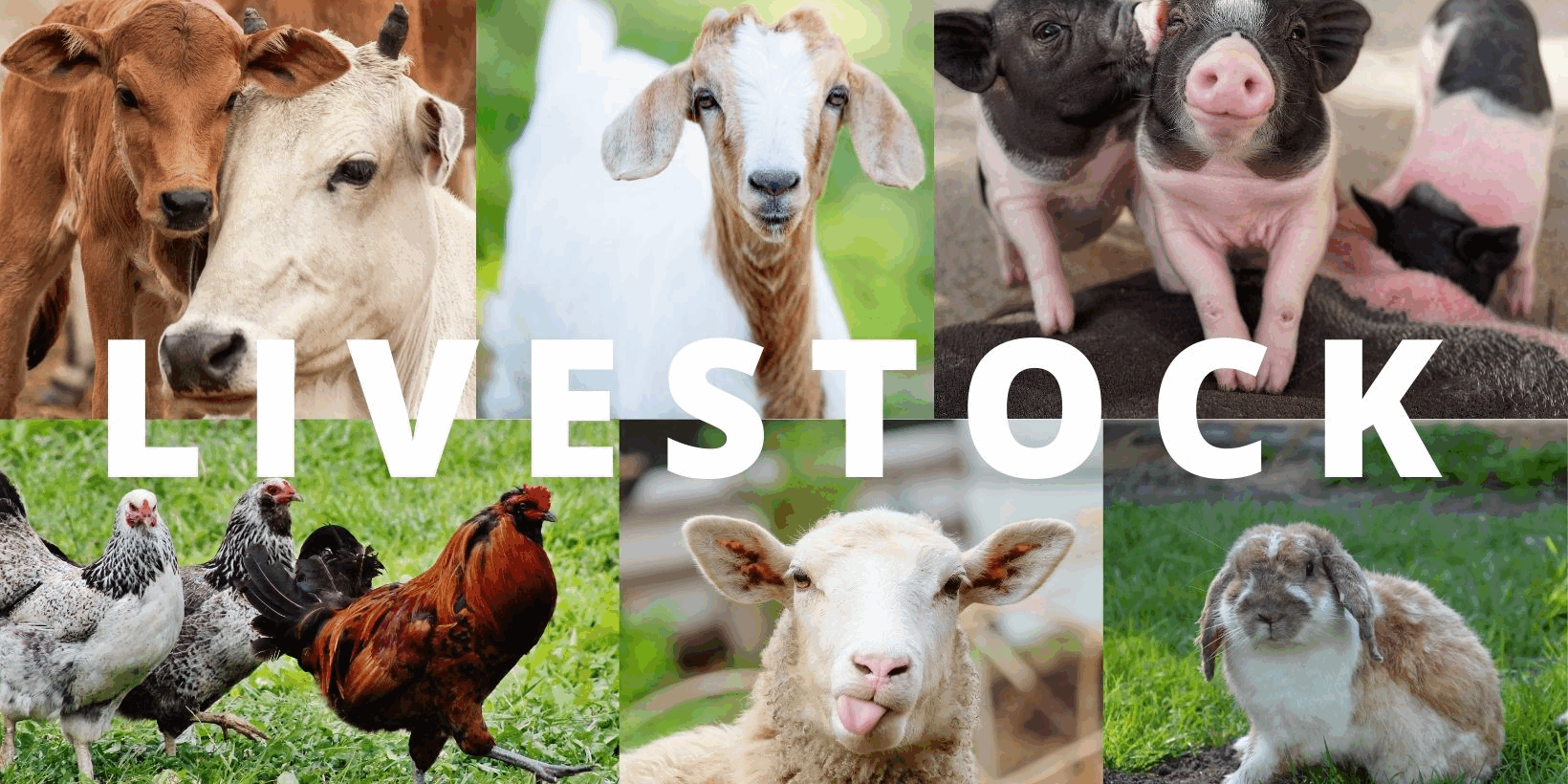
With the development of smart agriculture, the livestock industry is transitioning from traditional extensive farming to management. In this process, RFID animal microchip tags have become one of the key technologies for achieving individual identification and lifecycle tracking of livestock. By implanting RFID chips into livestock, farms can achieve fully intelligent management of animals such as cattle, sheep, and pigs, significantly improving farming efficiency, disease prevention capabilities, and food safety standards.
What are RFID animal microchip tags?
RFID animal microchip tags are small electronic identification devices typically encapsulated in bio-glass tubes with a diameter of 2mm and a length of 8–12mm, which are implanted into animals via injection. The chip stores a unique ID number that can be read by an RFID reader, enabling contactless identification and information tracking.
Technical standards: Most use 134.2 kHz low-frequency chips compliant with ISO 11784/11785 standards;
Encapsulation form: Bio-glass casing with high biocompatibility and corrosion resistance;
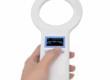
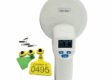
Identification method: Read using handheld or access control-type RFID readers;
Information content: Can be linked to full-cycle data such as birth time, breed, vaccines, feed, and health status.
Typical Applications of RFID Animal Microchip Tags in the Livestock Industry
1. Individual Identification and Management
In traditional farming models, livestock identification often relies on ear tags, nose tags, or coat colour, which can lead to issues such as tag loss, information loss, and duplicate identifications. RFID animal microchip tags assign each animal a globally unique electronic identity, enabling one tag per animal for lifelong, unchanging identification.
2. Disease Prevention and Traceability
In the prevention and control of major diseases such as African swine fever and foot-and-mouth disease, timely and accurate identification of animals in epidemic areas is critical. RFID tags enable real-time collection and retrieval of individual animals’ vaccination records and health data. Upon detecting abnormal conditions, contact history can be traced and precise isolation implemented, enhancing disease prevention efficiency.
3. Optimisation of feeding management
By linking RFID animal microchip tags with sensors, feeding systems, weighing equipment, etc., data such as changes in animal weight, activity frequency, and water intake can be collected in real time, guiding precise feeding and group management to improve production efficiency.
4. Breeding and Pedigree Records
In the breeding management of breeding pigs and cattle, RFID animal chips help farmers accurately record the estrus, mating, pregnancy, and calving times of female livestock, as well as the individual information of their offspring, ensuring the purity of the breed and supporting genetic analysis.
5. Transportation and Quarantine Supervision
The ID embedded in the chip can be linked to livestock transportation documents and quarantine certificates, enabling closed-loop information management from farm to slaughter, and supporting the construction of livestock product quality and safety traceability systems.
Advantages of RFID Animal Microchip Tags
✅ Unique Identification : Each chip has a globally unique ID, eliminating duplication and counterfeiting
✅ Long-term validity: With a lifespan of up to 20 years, it covers the entire life cycle of livestock
✅ Non-interfering : The implantable design does not affect animal growth or daily activities
✅ Efficient reading : No visual identification required, supports rapid batch scanning
✅ System integration : Can be integrated with livestock ERP systems to form a closed-loop management system
Deployment Methods in Livestock Farms
1. Chip Implantation
Use a special syringe to implant the RFID animal microchip tag under the skin behind the ear or on the neck of the livestock. The operation is quick and safe.
2. Data Registration
Bind the chip ID with livestock information (breed, gender, date of birth, origin, vaccinations, etc.) and enter it into the livestock management system.
3. System integration
Data is synchronised through handheld terminals, data collection platforms, and cloud-based backends, providing real-time operational data for the farm.
4. Reader application
RFID access control readers can be installed at the farm entrance to automatically record livestock movements, count headcounts, and identify anomalies.
Case Study: Chip Management in an Intelligent Dairy Farm
Since introducing RFID animal microchip tags, a large dairy farm has been able to monitor the health and feeding status of thousands of dairy cows in real time. The system automatically records cows’ estrus cycles, milk production, and activity levels, eliminating the need for managers to inspect each cow individually. Abnormal data triggers automatic alerts. Individual identification enables precise feeding, reducing labour costs by over 30% annually.
How to choose the right RFID animal chip?
When purchasing, pay attention to the following key factors:
- Compliance with ISO 11784/11785 standards to ensure global compatibility;
- Encapsulation quality: whether medical-grade glass is used and whether the seal is intact;
- Supplier qualifications: whether CE, RoHS, and other certifications are available;
- Whether sterilisation treatment has been performed;
- Whether readers and system integration solutions are provided.
Policy and market trends
Currently, multiple countries have included RFID animal microchip tags in their livestock industry standards and regulations. For example:
The EU mandates the implantation of electronic chips in dairy cows and their integration into the national database;
China’s Ministry of Agriculture and Rural Affairs has proposed a digital farming goal of ‘traceable livestock identities and preventable/controllable diseases’;
African and South American countries are widely adopting RFID identification technology during their modernisation of livestock management.
With policy support and technological maturity, RFID animal chips will become a standard feature in the construction of digital farms.
Summary: Pioneering a New Model of Smart Livestock Farming
RFID animal microchip tags have brought revolutionary changes to the livestock industry. From individual identification, disease prevention and control, to breeding management and food traceability, chip technology not only improves efficiency but also ensures food safety and the sustainable development of the industry. In the future, when combined with 5G, edge computing, and big data analysis technologies, RFID chips will play an even greater role in smart farming systems.
If you are seeking a reliable supplier of RFID animal microchip tags or wish to establish an RFID identification system for your farm, please contact us to obtain product manuals and free solution recommendations.