
Giriş
Amidst the rapid advancement of the Internet of Things and digitalisation, the smart electronics and consumer goods market faces challenges posed by diverse product ranges, accelerated circulation speeds, and heightened management complexities. The industry’s core imperative now centres on assigning unique identification to each product, enabling efficient tracking and anti-counterfeiting traceability. Son yıllarda, RFID micro-tags have emerged as a pivotal technology for intelligent electronics and consumer goods management, owing to their compact size, stable performance, and broad applicability across diverse scenarios.
Core Advantages of RFID Micro-Tags
RFID micro-tags represent a diminutive yet highly functional form of radio-frequency identification. Typically measuring mere millimetres or smaller, they store comprehensive identity information while supporting long-range reading. Their core strengths lie in:
Minimal bulk with high concealability: Easily embedded within electronic components, jewellery, cosmetic packaging, and other products without compromising appearance or functionality.
Unique identity coding: Ensures every smart electronic or consumer item possesses an independent, non-replicable electronic identity.
Durability and stability: The encapsulation material exhibits resistance to temperature fluctuations, rutubet, and electromagnetic interference, adapting to diverse consumer product environments.
Streamlined management: Batch reading via RFID readers significantly enhances inventory and stock movement efficiency.
Application scenarios in smart electronics
1. Anti-counterfeiting and traceability for electronic components
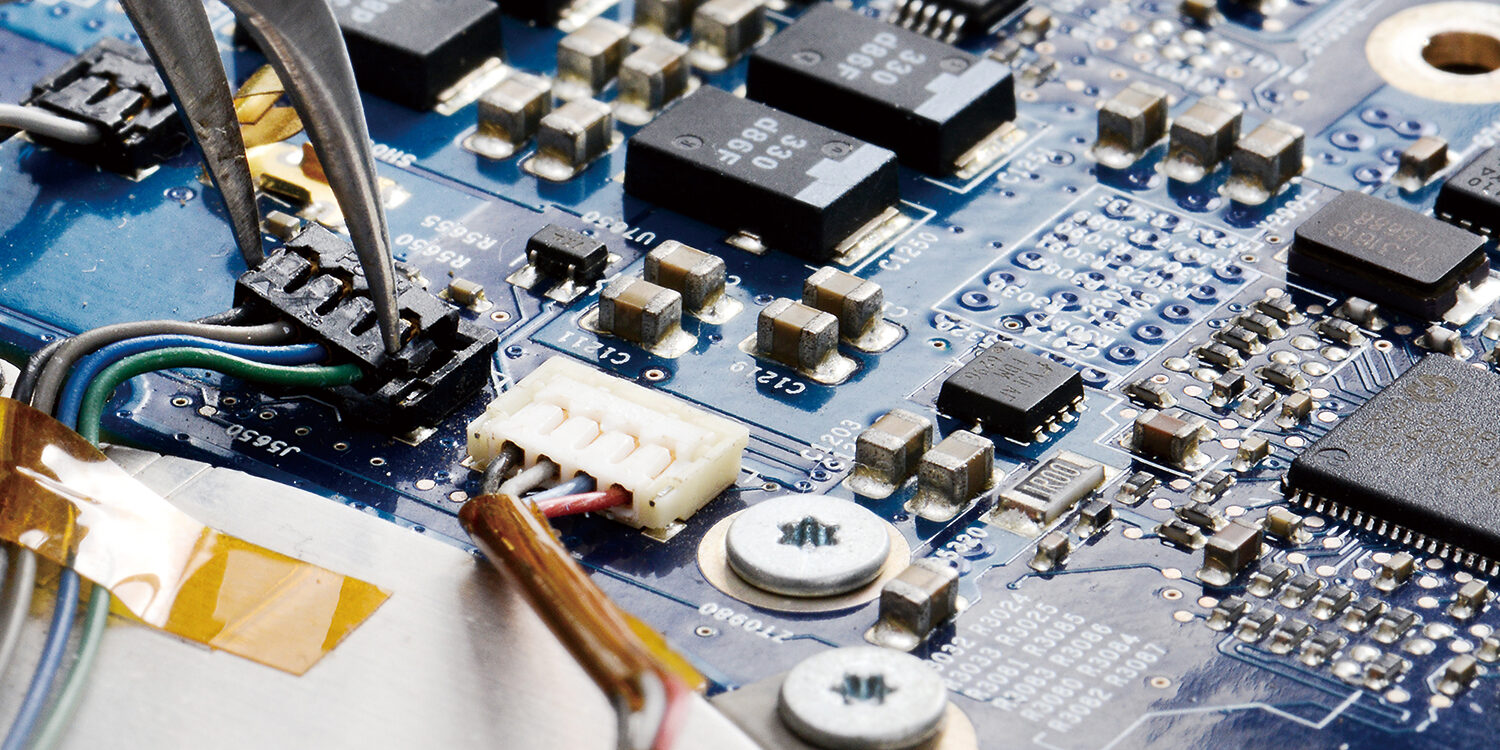
Akıllı telefon -lar, wearable devices, and home appliances often incorporate numerous critical electronic components. Embedding RFID microchips within chipsets, motherboards, or batteries enables end-to-end tracking from production to after-sales, preventing counterfeit components from entering the market.
2. After-Sales Service and Warranty Management
Manufacturers can swiftly verify a product’s production date, distribution channel, and warranty details by scanning the RFID microchip. This reduces manual verification for after-sales teams and enhances user experience.
3. Smart Home and IoT Connectivity
Within consumer electronics like smart speakers and digital locks, RFID microchips serve as core device identifiers, facilitating automatic connection and unified management within smart home ecosystems.
Application Scenarios in Consumer Goods Management
1. Anti-Counterfeiting for Luxury Goods and Cosmetics
RFID microchips can be discreetly embedded within watch cases, jewellery settings, or cosmetic packaging. Consumers can verify authenticity by scanning a QR code via mobile phone or dedicated device, thereby curbing counterfeit circulation.
2. Apparel and Accessories Retail
Within fast-moving consumer goods retail, RFID microchips assign unique identifiers to each item. This enables swift inventory management, stock control, and supports unmanned retail and smart shelf applications.
3. Food and Beverage Traceability
For high-value or cold-chain-dependent food products, embedding RFID micro-tags enables transparent traceability of origin information, transport processes, and storage conditions, enhancing consumer trust.
Driving Value in Industry Digital Transformation
Enhanced Management Efficiency: Geleneksel barkodlarla karşılaştırıldığında, RFID micro-tags enable batch identification, significantly reducing labour requirements.
Safeguarding Brand Value: Unique identification and anti-counterfeiting traceability help businesses establish brand credibility.
Supporting Sustainable Development: Driven by policies such as Digital Product Passports (DPP), RFID micro-tags can record full lifecycle information, facilitating recycling and green management.
Enhancing User Engagement: Consumers can scan tags via mobile devices to access product narratives, usage guides, or after-sales services, strengthening brand-consumer connections.
Future Development Trends
Moving forward, RFID micro-tags will integrate further with artificial intelligence, büyük veri, and blockchain to form more robust product tracking and intelligent management networks. Particularly within the smart electronics and consumer goods sectors, as personalised demands and sustainability requirements rise, the application scenarios for RFID micro-tags will continue to expand, becoming indispensable tools for corporate digital transformation.
Sonuç
As competition intensifies within the smart electronics and consumer goods sectors, enterprises must leverage digital solutions to enhance efficiency and value. RFID micro-tags, with their compact size, güvenilirlik, and efficiency, are reshaping product management models while driving intelligent and sustainable development. For businesses, proactively implementing RFID micro-tag applications will prove a crucial strategic choice for securing future market success.