
Введение: Asset Challenges in the Digital Age
As enterprises increasingly embrace digitalisation, the volume of IT assets—including servers, switches, Компьютеры, and printers—has surged rapidly.
Однако, traditional manual inventory methods prove inefficient and error-prone, failing to provide real-time visibility into asset location and status.
Against this backdrop, RFID-based IT asset management has emerged, offering enterprises smarter, more precise solutions for asset visibility.
How RFID Technology Transforms IT Asset Management
RFID (Радиочастотная идентификация) identifies item information via radio waves, eliminating the need for manual contact or visual recognition.
Compared to barcodes, RFID can simultaneously read multiple tags and enables long-range identification.
In IT asset management scenarios, RFID systems typically comprise RFID tags, RFID readers/writers, антенны, and backend software systems.
RFID tags can be affixed or embedded onto devices such as laptops, server chassis, and switches.
When assets pass through designated channels or are scanned by handheld devices, the system automatically records their location, operational status, and movement details.
This approach significantly enhances the efficiency and accuracy of enterprise asset management.
Core Advantages of RFID IT Asset Management Systems
Efficient Inventory and Location Tracking
Traditional stocktaking often requires days or even weeks, whereas RFID IT asset management systems can complete inventory checks on thousands of assets within minutes.
RFID handheld terminals can identify multiple tags with a single scan, eliminating the need for individual barcode scanning.
Real-Time Tracking and Loss Prevention
After installing fixed RFID readers in server rooms or office areas, the system can monitor asset movements in real time.
Should assets be removed abnormally, the system triggers immediate alerts, effectively preventing equipment loss or misallocation.
Data Accuracy and Traceability
RFID tags store critical information including asset IDs, user departments, and responsible personnel.
Each asset movement or maintenance operation is automatically logged, providing precise audit trails for subsequent verification.
Reduced Manual Intervention and Costs
RFID-enabled automated identification substantially minimises manual data entry and verification time.
Long-term, enterprise management costs and labour expenditure can be reduced by over 30%.
Typical Application
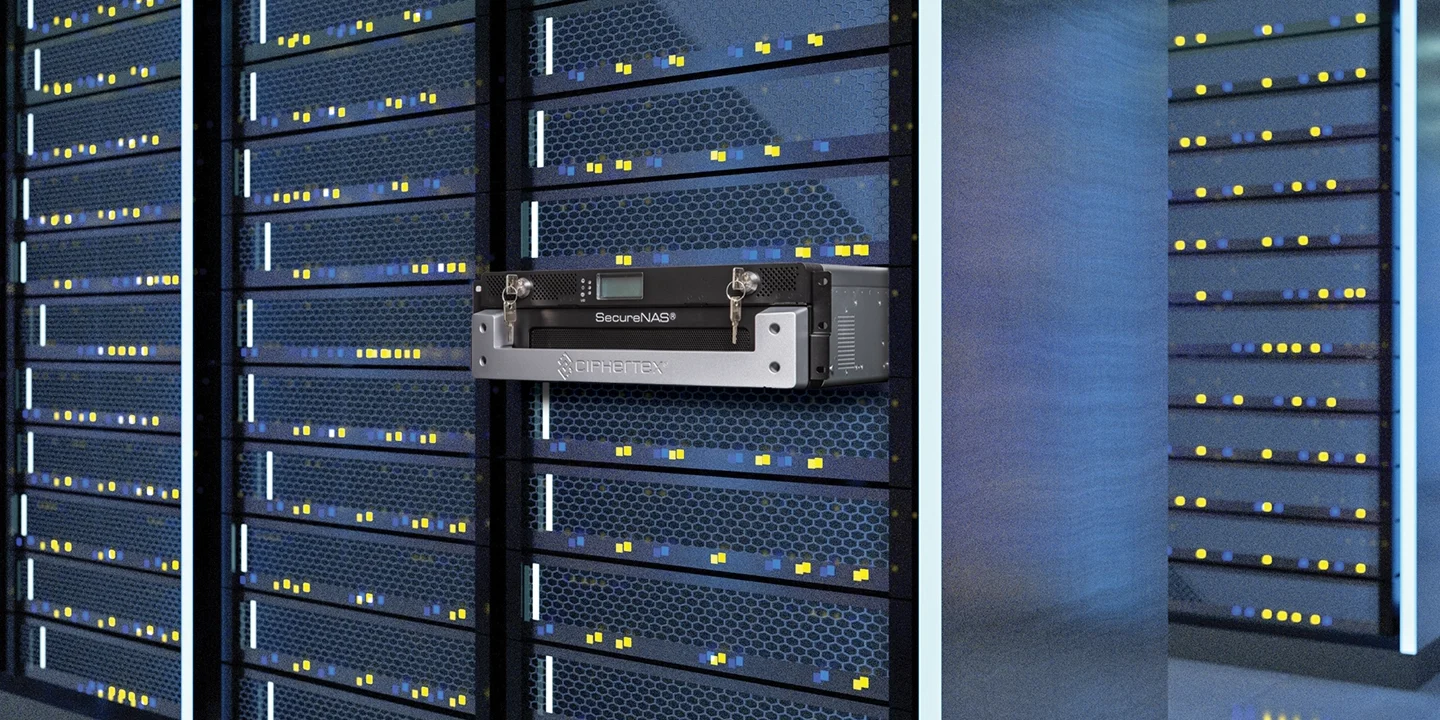
Data Centres and Server Rooms
RFID tagging of servers, storage devices, network switches and similar equipment enables precise location tracking, automated inventory management and lifecycle oversight.
Office Equipment Management
RFID asset tagging of laptops, Проекторы, printers and other office equipment
enables management to monitor real-time usage status and departmental ownership.
Loan and Maintenance Management
Through RFID IT asset management systems, organisations can track asset loan and return records
while automatically alerting maintenance cycles, enhancing equipment utilisation and security.
Recommendations for RFID Tag Selection
In IT asset management scenarios, tag material and performance are critical.
Common options include:
ABS Anti-metal RFID Tags: Suitable for metal surfaces like servers and racks, offering strong anti-interference performance;
Flexible Anti-metal Tags: Ideal for laptops or curved devices, lightweight and easy to affix;
Printable RFID Tags: Enable simultaneous printing of QR codes and text for dual identification;
Rewritable electronic tags: Support multiple data modifications, suitable for equipment rotation.
Appropriate tags ensure long-term stable operation of the RFID IT asset management system, minimising read/write errors.
Заключение: The Future of Intelligent Asset Management
As enterprises advance their digital transformation, RFID IT asset management will become a vital tool for enhancing operational efficiency and risk control.
It not only elevates asset visibility but also renders management processes more intelligent and data-driven.
В будущем, integrated with artificial intelligence and IoT technologies, RFID asset management will further enable automatic identification, dynamic tracking, and predictive maintenance,
empowering enterprises to build safer, more efficient, and transparent asset management systems.