
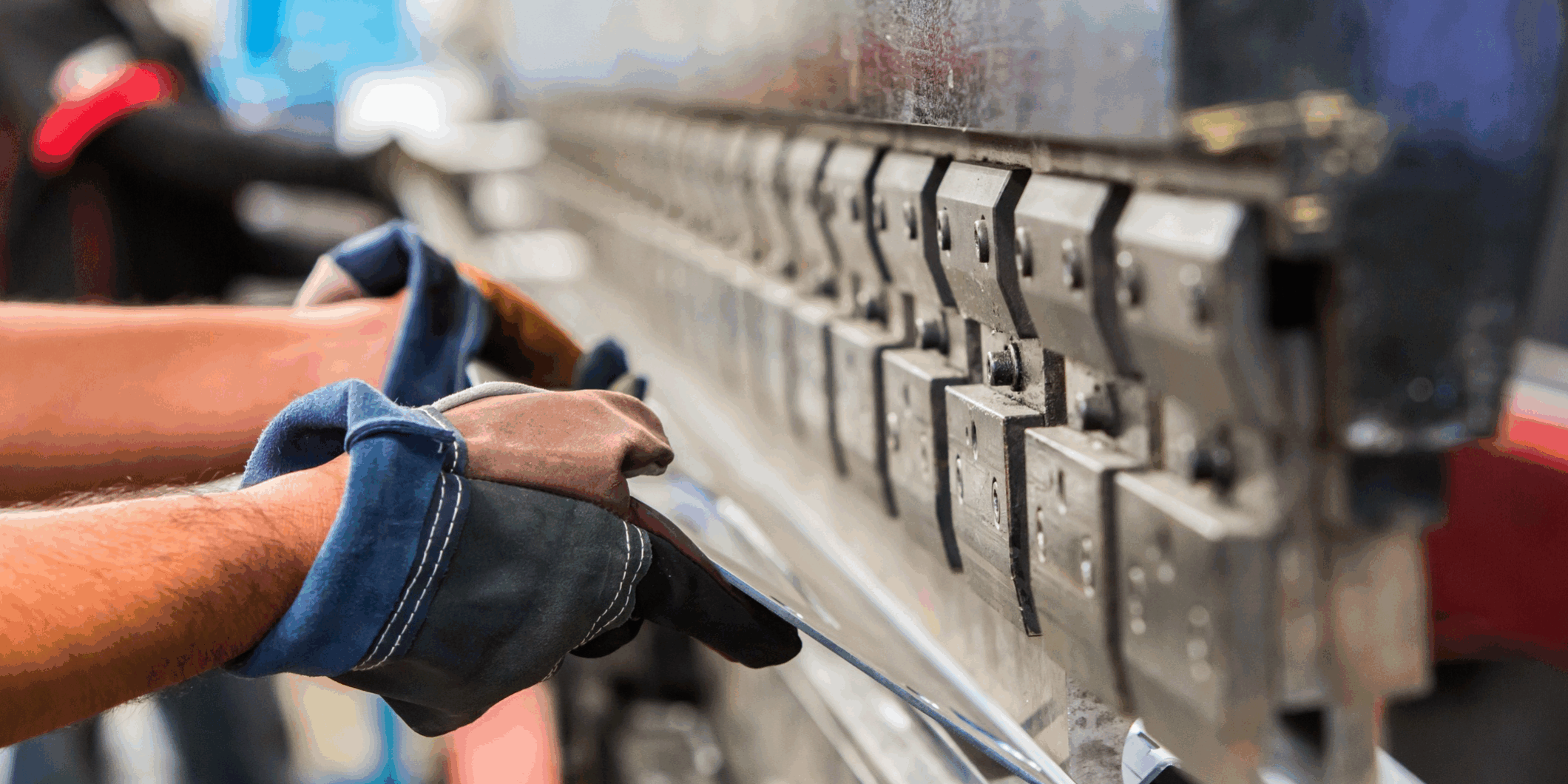
As manufacturing automation advances, businesses are placing higher demands on identification technologies with greater environmental adaptability. RFID high-temperature-resistant labels, as the name suggests, are radio frequency identification (RFID) tags that can operate stably in high-temperature environments. They can withstand temperatures as high as 150°C or even 300°C and are widely used in industries such as electronics manufacturing, metal heat treatment, automotive painting, and medical sterilisation. These labels serve as a crucial tool for achieving intelligent traceability and process control.
This article will focus on five common application scenarios for RFID high-temperature resistant tags and analyse their key roles in each industry.
-
High-temperature identification in SMT electronics manufacturing
During the SMT assembly production process, electronic components undergo high-temperature reflow soldering and wave soldering processes, with temperatures reaching up to 260°C. Ordinary tags would melt or fail under such conditions.
Advantages of RFID high-temperature resistant tags in this scenario:
Attached to PCB trays or product containers for full-process automatic identification
Can withstand multiple passes through high-temperature furnaces while maintaining stable and readable tag information
Integrated with MES systems to enable automated product traceability
-
Metal Manufacturing and Heat Treatment Process Tracking
Steel, aluminium alloys, and mechanical parts often require high-temperature quenching, tempering, hot pressing, and other heat treatment processes during manufacturing.
RFID high-temperature resistant label application highlights:
Installed on trays, workpiece hoists, or material frames inside heat treatment furnaces
Accurately marks batch information, furnace entry/exit times, and operators
Ceramic or metal-encapsulated UHF tags can withstand temperatures above 250°C
-
Paint curing and assembly traceability in automotive manufacturing
During automotive painting and curing processes, vehicle bodies must pass through high-temperature curing ovens, typically operating at temperatures between 180°C and 200°C.
Tag usage:
Installed on the chassis, fixtures, or conveying equipment
Real-time reading of vehicle identification numbers and painting process status
Resistant to paint mist and corrosion-resistant structural encapsulation, enhancing service life
-
High-temperature sterilisation management in the medical industry
Hospital surgical instruments and testing equipment often require high-temperature steam sterilisation (121°C to 134°C). Manual record-keeping is prone to errors and lacks traceability.
Application value of RFID high-temperature resistant labels:
Attached to the surface of medical devices or sterilisation racks
Records each sterilisation time, operator, и частота
Integrates with hospital HIS or asset management systems for automatic archiving
-
Sintering and Tracking in the Glass and Ceramics Industry
Glass and ceramics manufacturing requires high-temperature sintering at temperatures ranging from 700°C to 1000°C. Traditional barcodes are completely inapplicable.
RFID label solutions:
Ceramic or high-temperature-resistant metal casing, which can be directly embedded into trays or moulds
Suitable for long-cycle, high-frequency firing environments
Automatically records product type, firing time, and process status
-
Other Potential Application Areas
Industry Application Points
Aerospace Manufacturing Identification of engine parts during thermal processing
Food Processing High-temperature sterilisation equipment recording
Energy Industry Identification and management of furnace internal facilities
Mould Manufacturing Mould temperature control, Очистка, and inventory recording
These fields are also gradually adopting RFID high-temperature resistant tags to achieve digital asset management and process standardisation.
How to choose the appropriate RFID high-temperature resistant tag?
When selecting a tag, consider:
Temperature Rating: 150° C / 200° C / 250° C / 300° C
Reading Range Requirements: Near-field reading (ВЧ) or long-range reading (UHF)
Метод установки: Клей, screws, straps, or embedded
Encapsulation Material: Керамические, PPS, PEEK, ПИ
Usage Scenario Cycle: Whether frequently exposed to high temperatures
Резюме: The broad prospects for high-temperature RFID labels
As a powerful tool for solving tracking issues in extreme conditions, high-temperature RFID labels have become an important tool for multiple industries to improve automation levels and reduce management risks. В будущем, with the development of the Internet of Things and AI factories, their application scope will become even more widespread.
📩 Call to Action
If you are seeking a reliable RFID high-temperature resistant tag solution, please contact us to request samples, quotes, or customisation recommendations!