
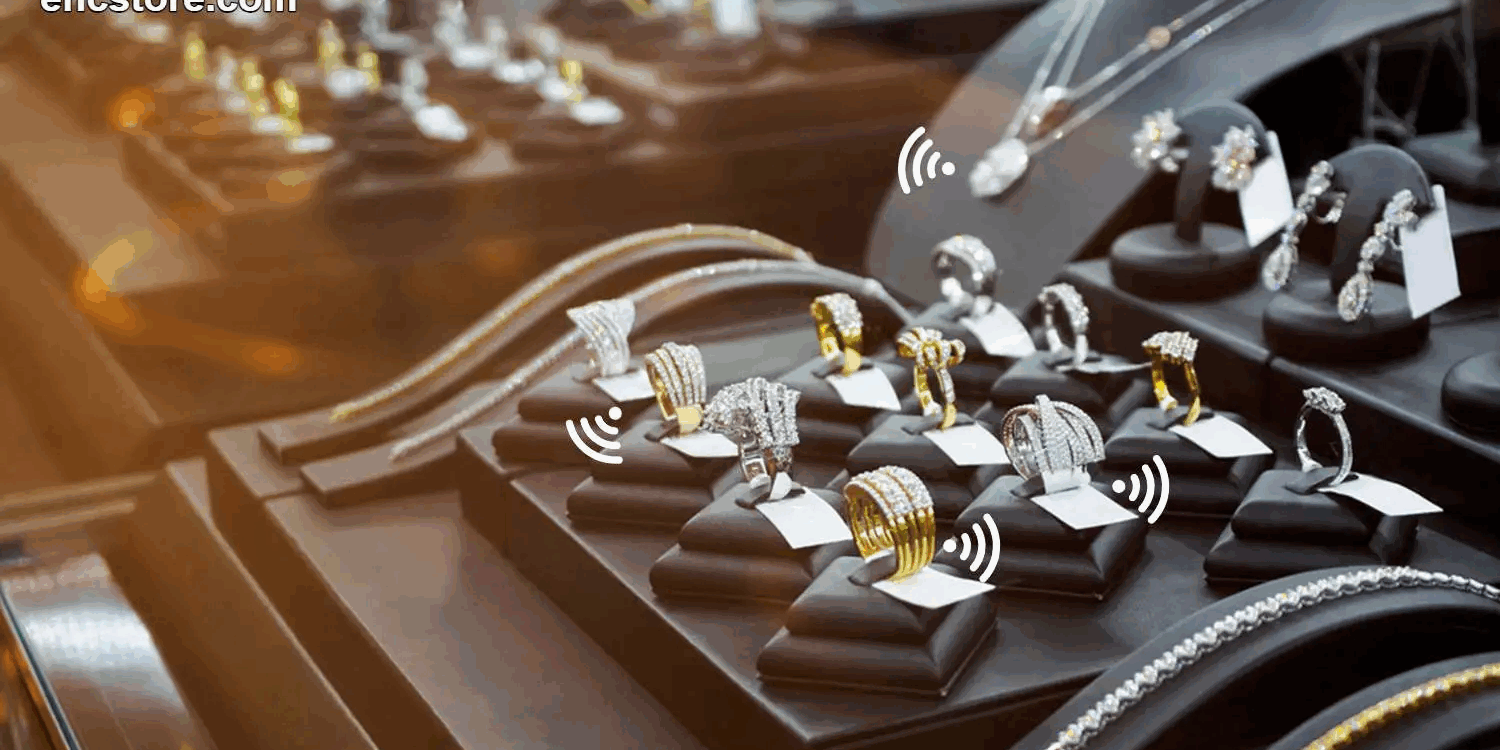
In the digital age, the luxury goods industry is undergoing a profound transformation. As consumers increasingly demand personalisation, authenticity, and immersive experiences, more and more luxury goods manufacturers are adopting smart technologies. Among these, the application of NFC (Comunicazione Near Field) tags has become a focal point for the industry. By embedding NFC tags into products, luxury goods can not only achieve anti-counterfeiting and traceability but also create deep interactions with consumers, thereby comprehensively enhancing brand value.
Ho. The Background of NFC Tag Integration with Luxury Goods
The widespread adoption of smartphones has made NFC tag applications more convenient. Consumers can simply touch the tag to access product authenticity information, traceability records, or even exclusive digital experiences. This convenience gives NFC tags a natural advantage when integrated with luxury goods.
Ⅱ. Main Applications of NFC Tags in Luxury Goods
1. Product Anti-Counterfeiting and Traceability
Authentication is one of the most critical needs in the luxury goods industry. NFC tags can assign a unique digital identity to each product, ensuring it cannot be replicated or tampered with. When purchasing, consumers can simply scan the tag with their phone to immediately verify the product’s authenticity and view traceability information such as production batches and transportation details. This transparent traceability system not only enhances purchasing confidence but also protects brand reputation.
2. Digital Product Passport
NFC tags can store digital information about a product, creating a ‘digital product passport.’ For luxury goods, this is not merely a record of the production and distribution process but an extension of the product’s value. Consumers can scan the tag to view the product’s design philosophy, artisan stories, or maintenance guidelines. This approach transforms luxury goods from a single physical form into a composite experience that integrates online and offline elements.
3. Personalised Interactive Experience
Luxury consumption is not merely about owning an item; it is also about emotions and experiences. NFC tags can provide consumers with customised digital content, such as exclusive welcome pages, member event invitations, and brand story videos. Through this interactive approach, consumers establish a stronger emotional connection with the brand, further enhancing loyalty.
4. After-sales service and lifecycle management
The value of luxury goods often comes with long-term use and collection. NFC tags can help consumers easily access after-sales services, such as repair appointments and maintenance record updates. Allo stesso tempo, companies can use this to track the product’s lifecycle, making it easier to provide more tailored value-added services. This is of great significance for maintaining the brand’s long-term high-end image.
5. Authentication guarantees in the second-hand market
With the rise of the second-hand luxury goods market, authenticity verification has become a critical issue. Luxury goods embedded with NFC tags can quickly verify authenticity during resale, reducing risks associated with intermediaries. This not only protects consumer interests but also further expands the value chain of luxury goods.
Iii. Value Enhancement Brought by NFC Tags
The introduction of NFC tags not only addresses anti-counterfeiting issues but also opens up new value dimensions for the luxury goods industry.
- Enhancing Trust: Consumers can verify authenticity at any time, eliminating purchasing concerns.
- Enhancing the Experience: Digital interaction transforms luxury goods from mere objects into carriers of emotion and stories.
- Promoting Sustainability: Through digital tracking, brands can demonstrate transparent supply chains, aligning with current sustainable consumption trends.
- Expanding Marketing Channels: NFC tags enable brands to establish long-term communication bridges with consumers, creating more opportunities for secondary marketing.
Iv. Future Development Trends
In futuro, the application of NFC tags in the luxury goods sector will become more widespread and diversified. By integrating blockchain, cloud platforms, and big data technology, NFC tags can build a more comprehensive digital ecosystem. Consumers will not only be able to verify authenticity and access information but also enjoy immersive digital experiences, such as virtual collections and limited-edition digital certificates. Nel frattempo, as sustainable development principles gain deeper traction, NFC tags will play a greater role in the circular economy, driving the luxury goods industry toward greener and smarter practices.
NFC tags offer the luxury goods industry a new way to extend value. They are not only a technological upgrade but also a comprehensive reflection of consumer experience, brand trust, and sustainability. In futuro, as consumers increasingly seek authenticity and digital experiences, NFC tags will undoubtedly become an essential standard in the luxury goods sector, opening up broader development opportunities for the industry.