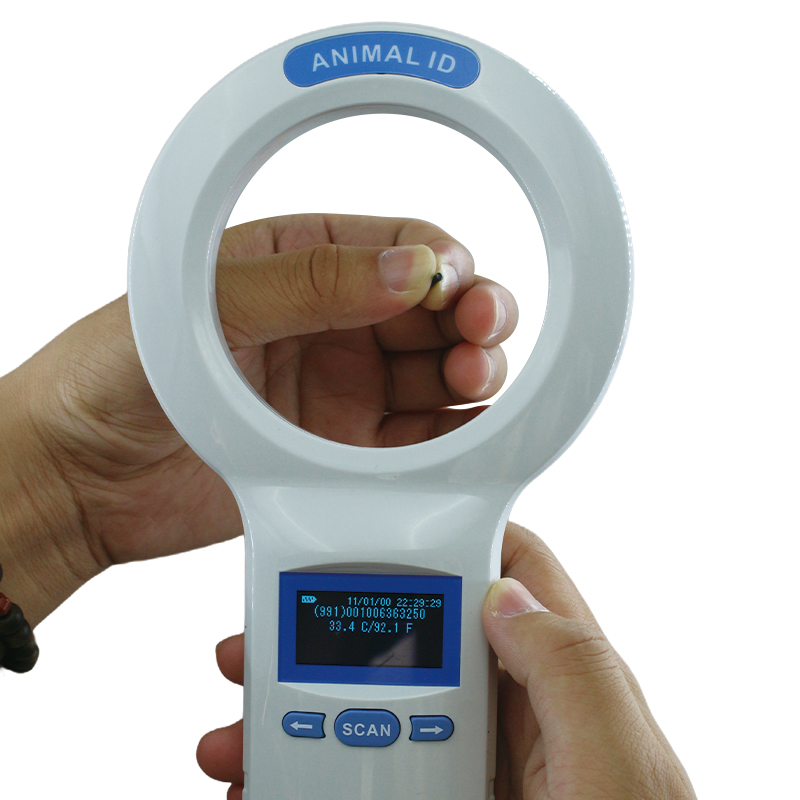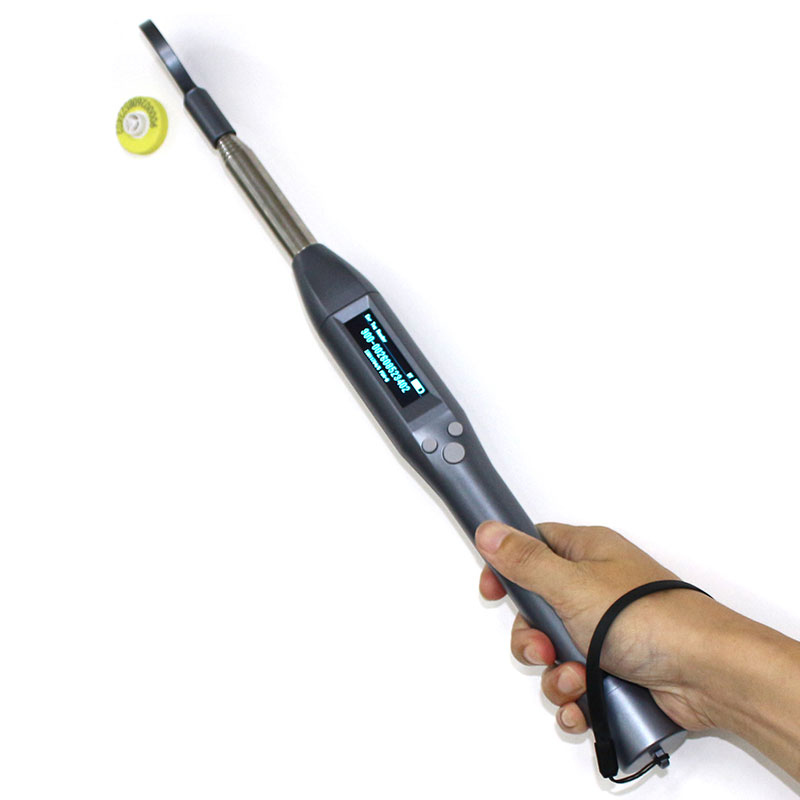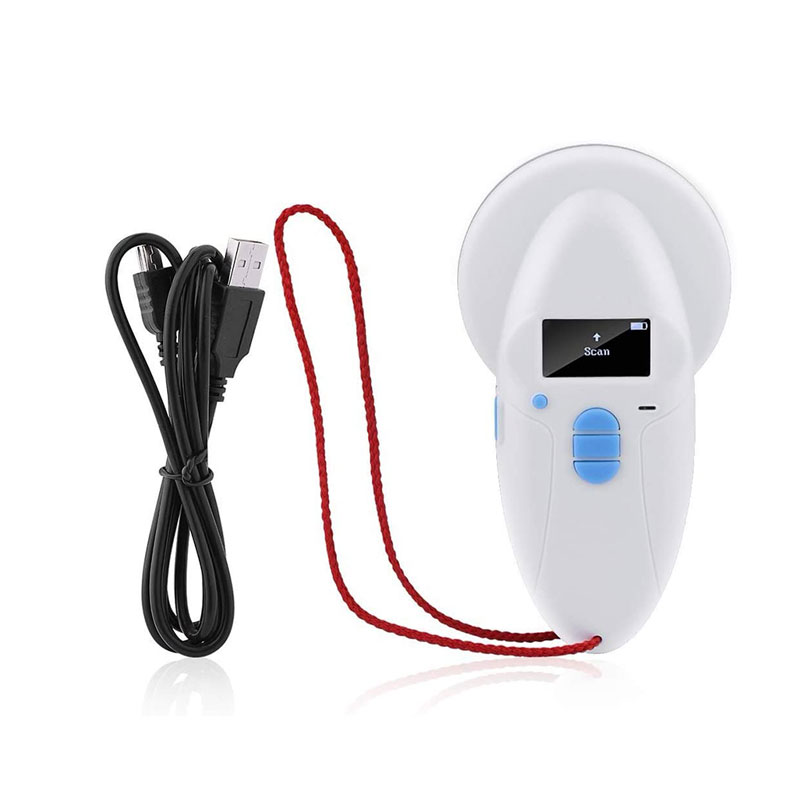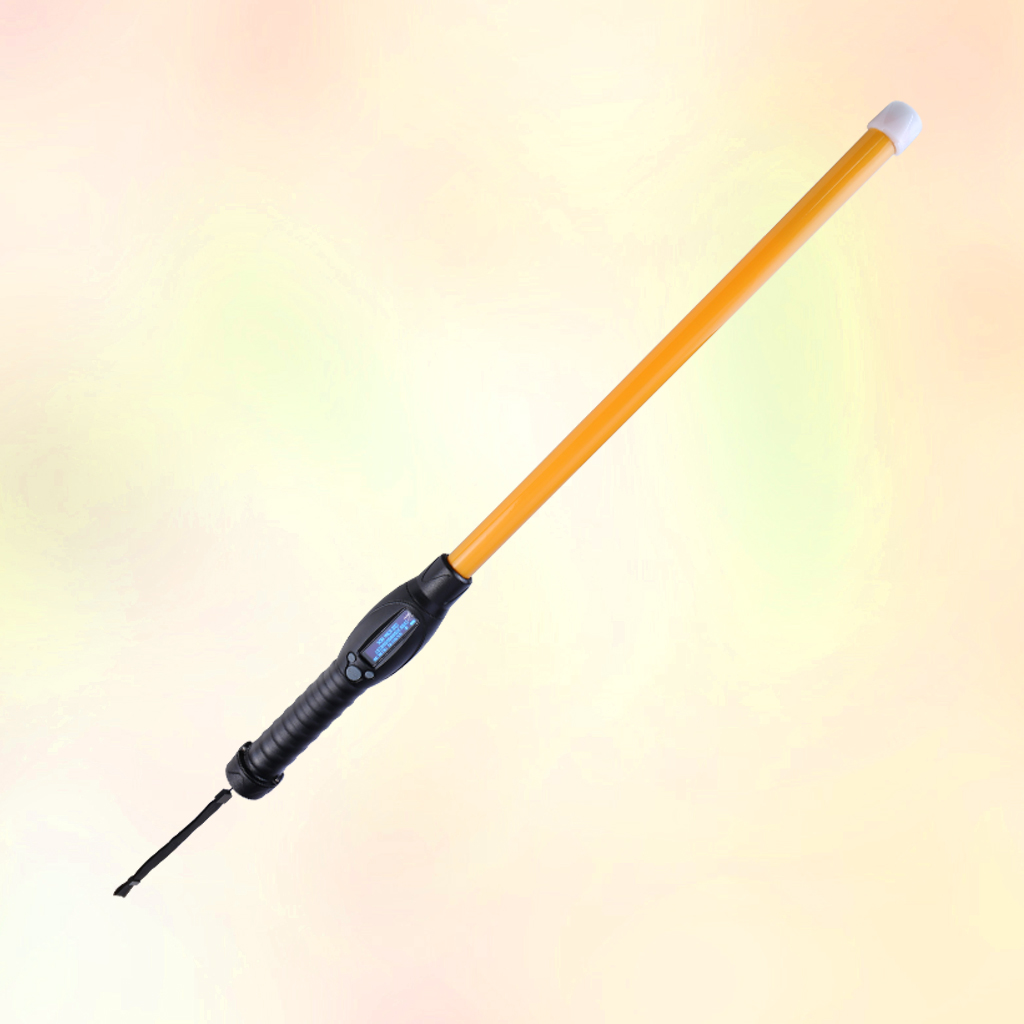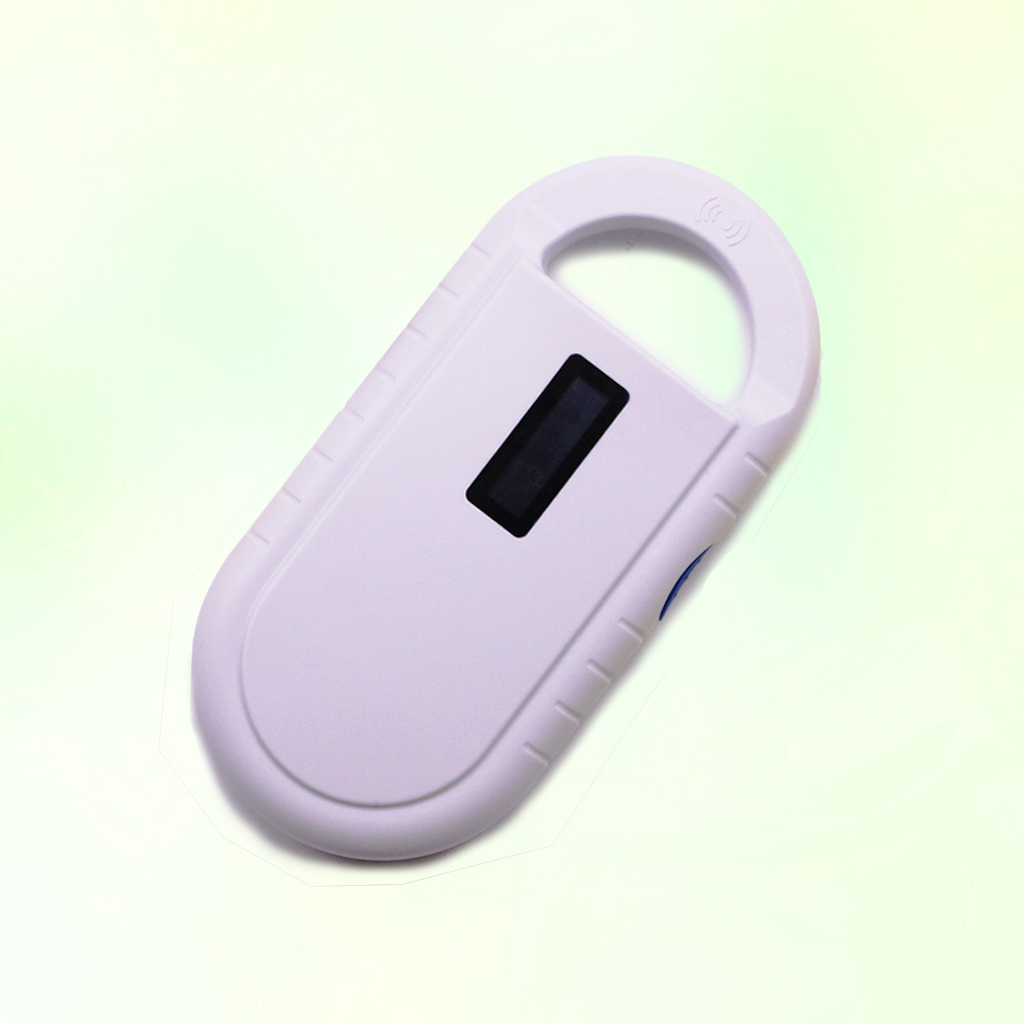
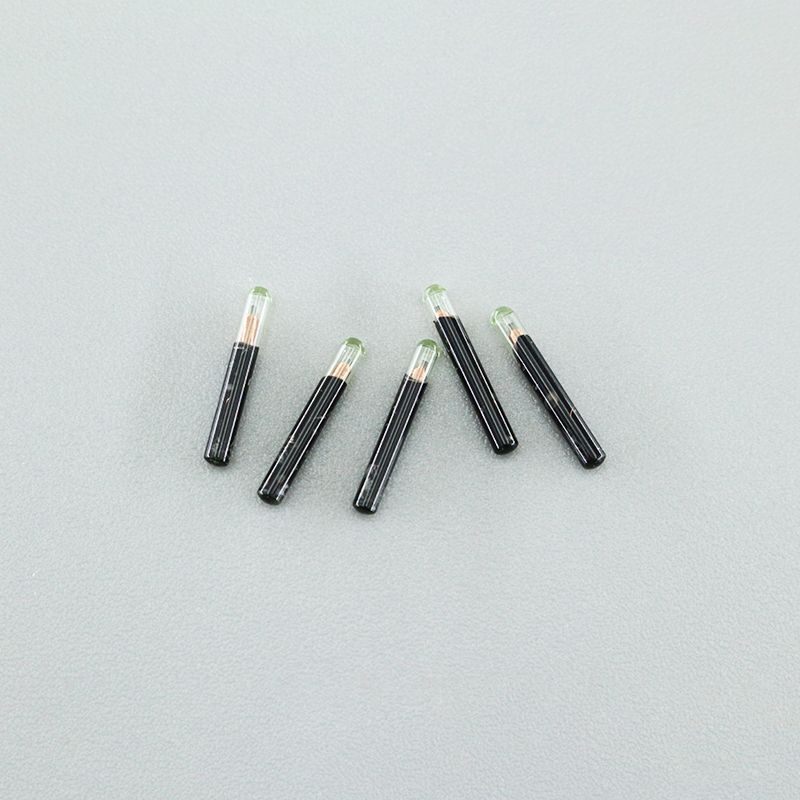
The breakthrough of the HY-GT15 lies in its ability to transcend the limitations of single-frequency operation. By seamlessly integrating the robust penetration and anti-interference capabilities of LF (134.2 kHz) with the long-range, rapid identification and high-capacity data exchange features of HF (13.56 MHz), this chip sets a new standard for animal identification in complex environments. Whether performing basic individual scans amidst harsh outdoor weather conditions or facilitating complex database synchronization within specialized veterinary centers, the HY-GT15 delivers millisecond-level response times. It stands as a rare offering in the current market—a dual-frequency identity carrier capable of simultaneously meeting the demands of both “basic traceability” und “intelligent asset management.”
Jetzt Ihre Kontaktdetails zu verlassen, um den aktuellen Preis zu bekommen!
Produkteinführung
- RFIDHY’s dual-frequency animal microchip is a premium,forward-looking product that combines global ID recovery capability with the potential for advanced smart pet applications.
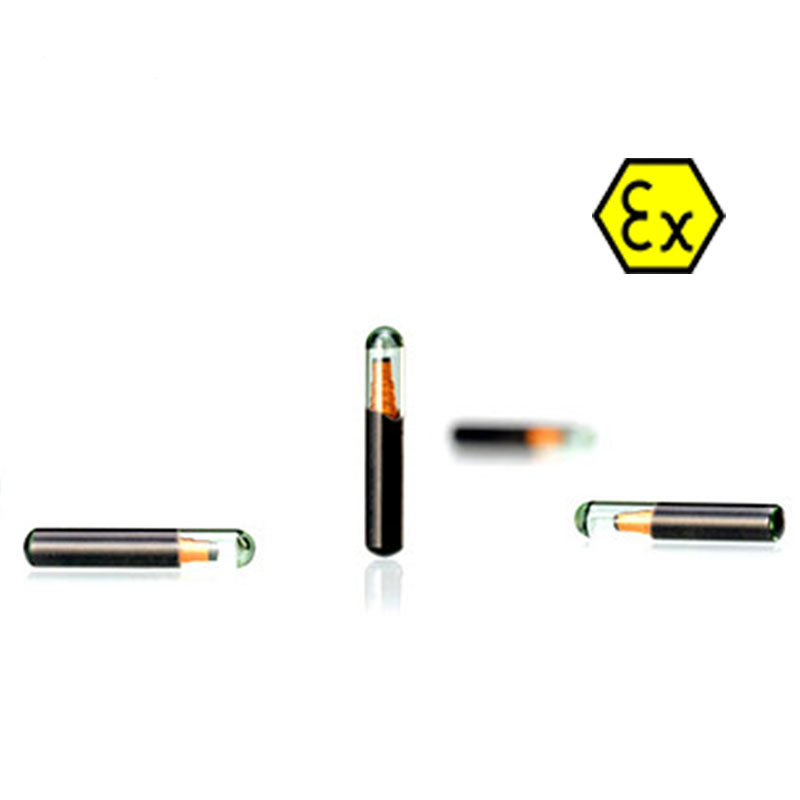
- Our small glass transponder measures just 2.12*15mm,operating at both 134.2 KHz &13.56MHZ.
- Each transponder is pre-loaded into a disposable implanter, sterilized by EtO gas and individually packed with 6 adhesive bar-coded labels.
- Thanks to the high-quality materials,it is in a pre-loaded, ergonomic sterile syringe for fast,gentle, and easy implantation。
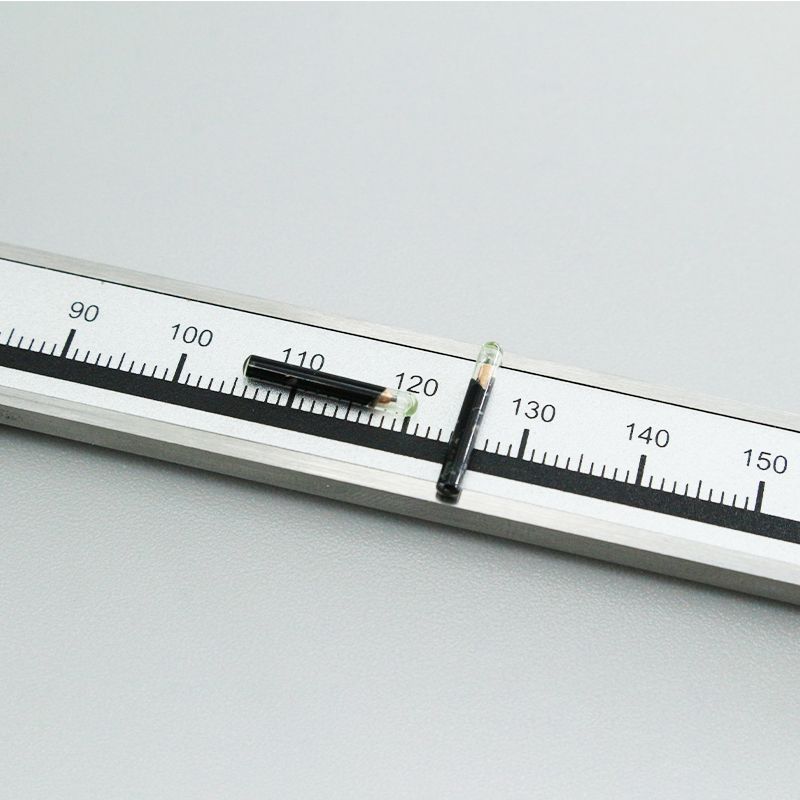
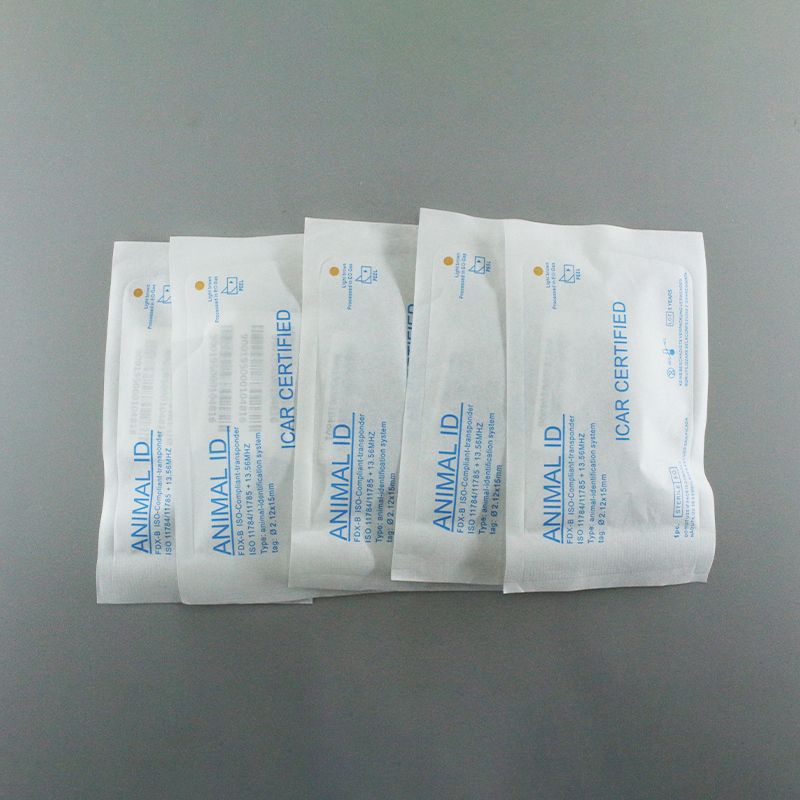
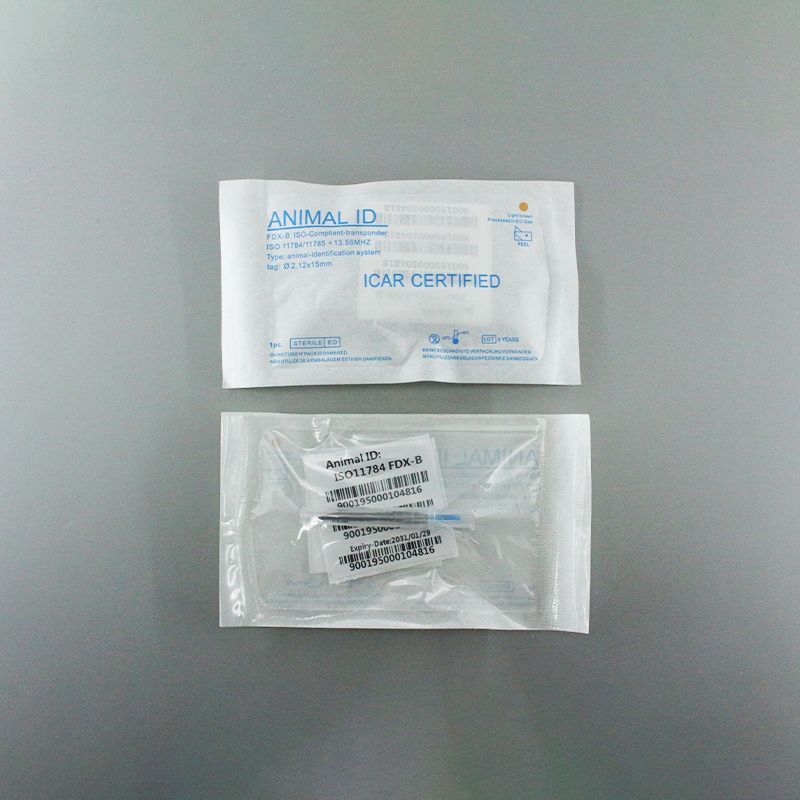
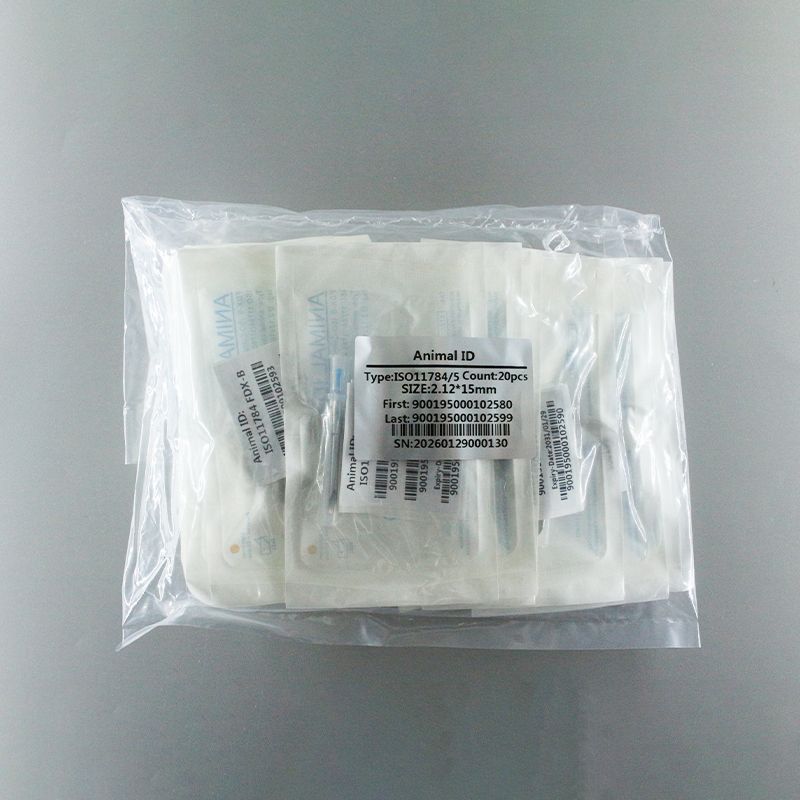
Das Glasrohr-Tag ist ein glas-RFID-Chip-Embedded-Transponder, der aus vollautomatischer Produktionstechnik besteht und so die Konsistenz und Zuverlässigkeit seiner Qualität gewährleistet.. Insbesondere die hervorragende Leistung und sinkende Kosten ermöglichen es, die Nachfrage nach immer höherem Wert und Innovation zu befriedigen..
Technical Comparison Table
| Core Features | HY-GT15 (LF+HF Dual-Frequency) | Standard LF Single-Frequency Chip | Standard HF Single-Frequency Chip |
| Application Scenarios | Comprehensive (Balancing Penetration and Speed) | Limited to Short-Range Identification | Limited to Smart Interaction/Data Collection |
| Anti-Interference Performance | Extremely High (Multi-Band Redundancy) | Moderate (Susceptible to Metal/Liquid Interference) | Low (Susceptible to Obstruction) |
| Reading Flexibility | Extremely High (Compatible with Dual Reading Protocols) | Low (Limited to Specific Readers) | Moderate (Limited to Specific Readers) |
| Functional Extensibility | Supports Complex Database Integration | Supports Only Simple ID Reading | Supports Complex Data Storage |
Technische Daten
| Frequenz | 134.2KHZ+13.56MHZ |
| Protokoll | ISO11784/11785+ISO15693 |
| Chiptyp | EM4305 & I CODE SLIX2 |
| Speicher | EM4305 512bits,I CODE SLIX2 2560 Bits |
| Die Vorratsspeicherung von Daten | 10 Years |
| Write Cycle Endurance | 100,000 Zyklen |
| Dimension | Ø 2.12x15mm |
| Lesereichweite | 2-5cm |
| Material | Biocompatible glass |
| Verpackung | Sterilized pouch |
| Anwendung | Microchip for pet animal like dog,cat,Lab animal test like mouse |
| Betriebstemperatur | -10℃~65℃ |
| Lagertemperatur | -20℃~65℃ |
Jetzt Ihre Kontaktdetails zu verlassen, um den aktuellen Preis zu bekommen!
Häufig gestellte Fragen
Q1: Why choose an LF+HF dual-frequency chip instead of a single-frequency product?
A: Single-frequency chips often present application limitations: LF offers excellent penetration but has extremely limited data capacity, while HF provides high speed but its reading distance is highly susceptible to environmental interference. The HY-GT15 achieves frequency complementarity, eliminating the need for users to choose between two separate sets of equipment; a single system can simultaneously satisfy the requirements for both basic traceability (LF) and intelligent data management (HF).
Q2: How does the HY-GT15 perform in different reading environments?
A: In outdoor settings or complex breeding environments, the LF channel ensures exceptionally stable identification, remaining largely unaffected by fur thickness or environmental moisture. Upon entering a veterinary clinic, the HF channel enables rapid retrieval of a pet’s medical history, significantly reducing the time required for registration and diagnosis.
Q3: Does this dual-frequency technology impose any special requirements on the readers?
A: Compatibility was a core principle behind our design. The HY-GT15 adheres to universal industry frequency standards, allowing you to leverage its dual-frequency capabilities—thereby enhancing overall identification fault tolerance—without needing to replace your existing reading and writing equipment. This approach effectively lowers the barrier to system upgrades.
Q4: In terms of cost, what is the added value provided by a dual-frequency chip?
A: The added value lies in “Effizienz” und “security.” The dual-frequency architecture drastically reduces the time spent on re-scans caused by reading failures. Des weiteren, it enables the storage of richer identity data, establishing a complete closed-loop system for animal lifecycle management—a factor that, in the long run, leads to significant reductions in labor costs.